Young adults who have left the care system in England experience a death rate approximately four times higher than the general population, according to a government-commissioned review published on 25 August 2026. The stark disparity has prompted warnings that the abrupt withdrawal of support at age 18—often termed the "care cliff"—represents a critical failure that demands urgent intervention.
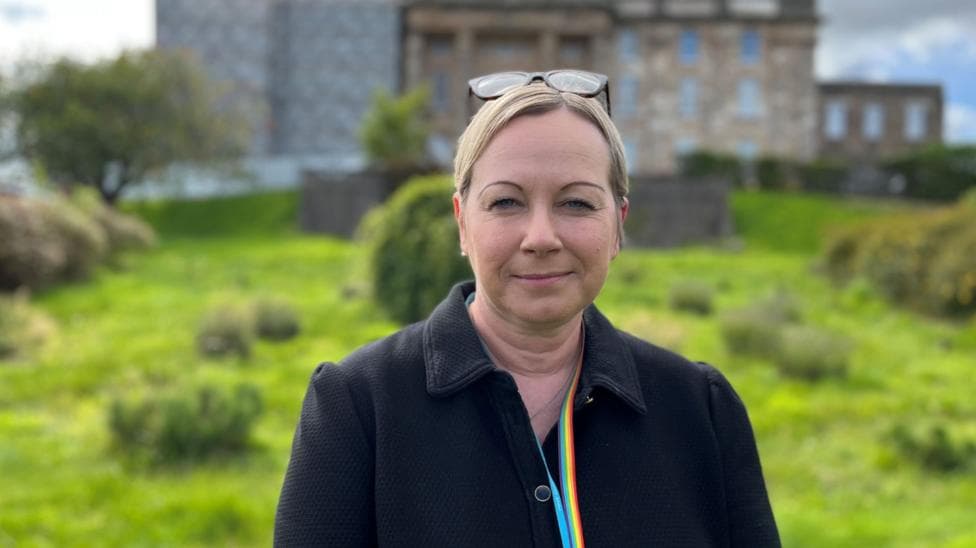
The review examined 112 deaths of care leavers aged 18 to 24 during 2025, equating to roughly 130 deaths per 100,000 care leavers. This figure aligns with independent analysis showing the cohort's death rate was about 3-4 times the general population's. The report, co-authored by social worker Clare Chamberlain and broadcaster Ashley John-Baptiste—who himself grew up in care—describes the situation as a national tragedy, with young people often left isolated and without adequate safety nets.
The context for this review reflects growing concern about care leavers' vulnerability. Government data published in May 2026 recorded 106 care leaver death notifications in the year to March 2026, with 63 aged 16 to 21 and 43 aged 22 to 24, prompting the Department for Education to commission this urgent investigation into the causes and patterns of these deaths.
The cliff edge at 18
Age 18 emerges as a critical turning point in the data. Of the 112 deaths recorded, 22 occurred at exactly 18 years old—more than any other single age within the range examined. The review identifies this concentration as "strongly suggestive of the stark challenges and pressures" faced by young people at the moment they transition out of the care system and lose access to the structured support they have relied upon.
John-Baptiste described his own experience of this transition in an interview with a national broadcaster.
I was made to live alone and work out how to be an adult,he recalled. Unable to afford basic furniture, he slept on a mattress placed directly on the floor of his council flat, experiencing what he characterised as profound abandonment and isolation. His account illustrates the practical and emotional devastation that can accompany the abrupt end of care provision.
Suicide and other causes of death
Just over a third of the deaths—40 out of 112—were attributed to suicide, a rate the review suggests may be as much as five times higher than that observed in the general population. Beyond suicide, the deaths resulted from a range of causes including murder, road traffic accidents, and drug misuse. The review also identified potential mismanagement of medical conditions such as diabetes as a contributing factor in some cases.
The vulnerability of care leavers extends into the criminal justice system. Six of the 112 care leavers who died in 2025 were in prison and died from overdose or suicide, and Ministry of Justice officials have confirmed that care leavers are disproportionately more likely to self-harm while incarcerated.

Inconsistent support from personal advisers
The primary mechanism through which young people leaving care receive ongoing support is the personal adviser (PA) framework. However, the review found that the quality and consistency of this support varies dramatically across different local authorities. The authors describe a "huge variation" in practice, with minimum visiting requirements set at once every two months—a frequency the report characterises as insufficient given the complexity of the challenges these young people face.

During interviews conducted for the review, some personal advisers acknowledged that they "hardly knew" the young person they were assigned to support. This gap between the theoretical framework and practical reality reflects systemic failures in resource allocation and training across local authorities.
Housing and accommodation failures
The review is particularly critical of the housing and accommodation support provided to care leavers. The report notes that such provision often comes from "profit-making arm[s] of the service with no specific requirements for a therapeutic or social work discipline." This arrangement prioritises cost efficiency over the wellbeing and stability that young people transitioning to independence require.
In response, the government has announced a national rollout of connected housing options for those leaving care, beginning with £25 million allocated for the current year. Officials state this investment will "significantly increase" the likelihood that young people will be offered accommodation that fosters "community and connection rather than leaving them isolated in inappropriate accommodation."
Systemic reform and policy response
Children's Minister Josh MacAlister has stated that "enduring relationships" must become the "central obsession" of the care system going forward.
Care must build and not break the relationships that young people need, and this must be the new North Star,he said, signalling a fundamental reorientation of priorities within child welfare policy.
The review calls for comprehensive improvements in how young people are prepared for adulthood and a substantial overhaul of the workforce supporting them. These recommendations reflect recognition that current structures fail to bridge the gap between childhood dependency and adult independence, leaving vulnerable young people exposed to catastrophic outcomes.
The broader context of young people's struggles in contemporary Britain underscores the urgency of these reforms. Analysis of UK data suggests today's 20-somethings face weaker housing, job and wage prospects than previous generations at the same age, a challenge that is compounded for care leavers who begin their adult lives without family safety nets or accumulated resources.
Ongoing monitoring and next steps
The Department for Education has established a mechanism for tracking care leaver deaths going forward. Local authorities are now required to notify the department and Ofsted of all care leaver deaths up to age 24 through the child safeguarding incident notification system, ensuring that future patterns can be monitored and interventions adjusted accordingly.
Key Facts:
- 112 care leavers aged 18 to 24 died in 2025, representing a death rate approximately four times higher than the general population
- 22 deaths occurred at age 18, the highest concentration at any single age, highlighting the acute vulnerability at the moment of leaving care
- Approximately 40 deaths (36%) were attributed to suicide, potentially five times the rate in the general population
- Personal adviser support varies significantly across local authorities, with minimum contact requirements of once every two months deemed insufficient
- The government is investing £25 million in connected housing options for care leavers as part of a broader reform agenda