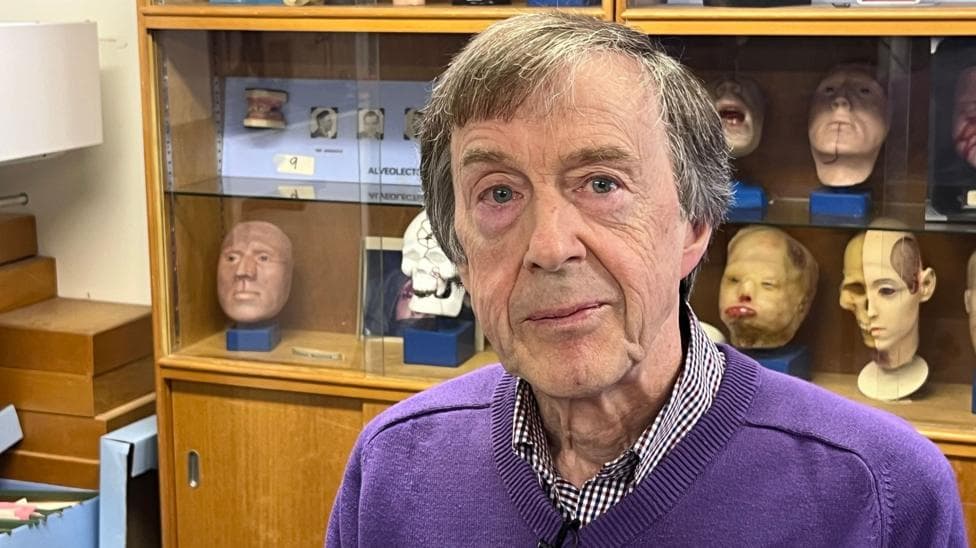
Stephen Gilbert spent 74 years unable to hear on his left side. Born with unilateral microtia—a rare condition where the external ear fails to develop or is absent on one side—he had adapted to life with single-sided hearing throughout his childhood and adulthood. That changed recently when he received a newly designed prosthetic ear fitted with a hearing aid, finally allowing sound to reach his previously silent left ear.
Gilbert, from Aghalee, underwent the procedure at the Ulster Hospital, home to the only oral and maxillofacial surgery service of its kind in Northern Ireland. The department specializes in creating custom-made prostheses for individuals affected by birth defects, traumatic injuries and the aftermath of cancer surgery. According to the South Eastern Health and Social Care Trust, the Ulster Hospital's Maxillofacial Laboratory provides a regional service, with its Oral and Maxillofacial Surgery service offering inpatient, day-case and outpatient care.
To be able to hear someone on my left that I could never do before is just very special,Gilbert said.
It's a huge thing to be able to have a prosthetic part of your face.
How did Gilbert's condition affect him growing up?
During the 1960s, when longer hair was fashionable among boys, Gilbert found it relatively easy to conceal the missing ear. As he matured, however, changing hairstyles and thinning hair made concealment increasingly difficult, and his self-consciousness about the condition grew. He became acutely aware of how visible his difference had become as the years passed.
In my case with an ear, it's not just as visual as someone maybe needing a prosthetic for the front part of their face, maybe through injury or through cancer,he reflected.
I'm very conscious of that, but I'm very grateful for what has happened to me.
What treatment options were available before the prosthetic?
Gilbert first sought help at the Ulster Hospital in October 1997, beginning a 29-year journey of having artificial ears made, repaired and adapted. Before turning to prosthetics, he had undergone plastic surgery in an attempt to reconstruct an ear using skin and tissue harvested from other parts of his body. However, this reconstructive approach could not achieve the natural shape and appearance of a functioning ear.
The turning point came when his wife discovered a magazine article describing advances in prosthetic technology—how the field had evolved from basic skin grafts to realistic artificial ears. Encouraged by this discovery, Gilbert consulted his GP about exploring prosthetic options.
I'd managed for so long, but I suppose I knew that the hair wasn't always going to be there and something needed to be done,he said.
How was the new prosthetic ear created and fitted?
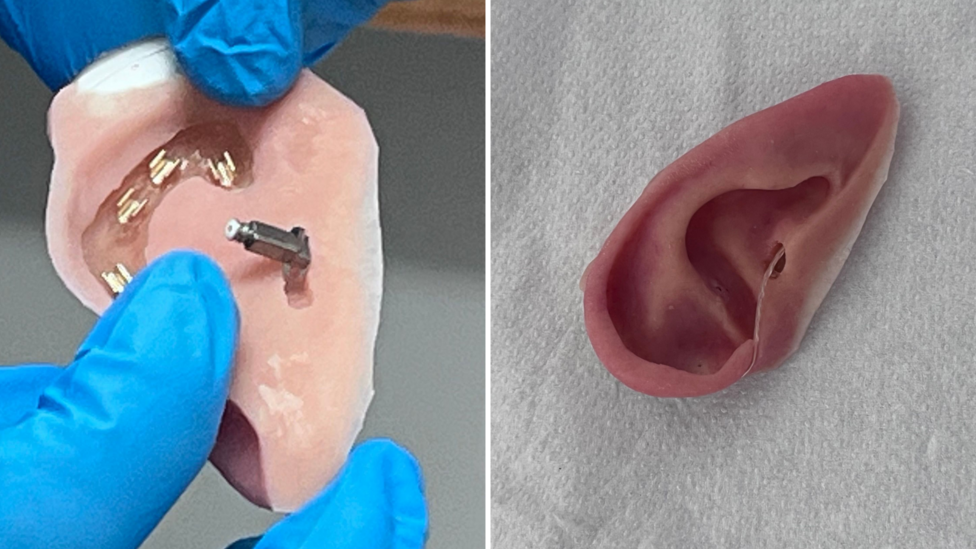
The surgical team first removed the previously grafted tissue and inserted small implants into his skull to anchor the artificial ear securely. A detailed mould was then taken of his right ear, which served as the template for creating a matching left ear. Technicians carefully adjusted the colour and fit until the prosthetic matched his natural ear as closely as possible.
Amazing, that I had something that I didn't have there before. That was just remarkable,Gilbert said of the result.
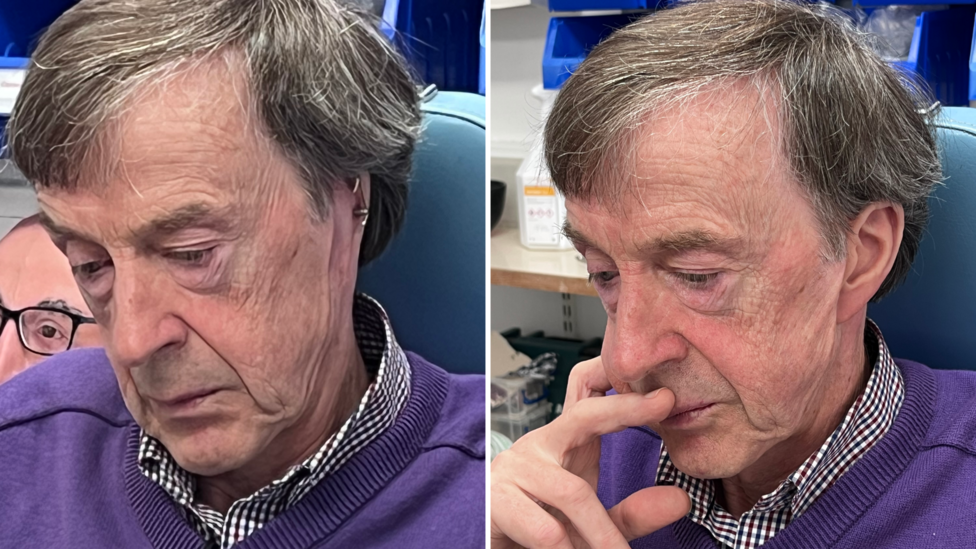
The new prosthetic ear incorporates a hearing aid that captures sound from his left side and transmits it to his functioning right ear, effectively restoring his ability to hear in stereo. Beyond the functional benefit, the prosthesis has significantly reduced Gilbert's self-consciousness when his ear is exposed, while modern hearing aid technology has made an equally profound difference to his quality of life.
Who creates these prostheses and how many have been made?
Consultant maxillofacial prosthetist Brian Bigmore has crafted approximately 4,000 prostheses and devices for more than 250 patients at the Ulster Hospital. His work encompasses artificial ears, eyes and noses, as well as fingers, thumbs and nipples. Each device is individually handcrafted, beginning with an initial impression of the defect and culminating in the fitting of a life-like silicone prosthesis tailored to the patient's anatomy and skin tone.
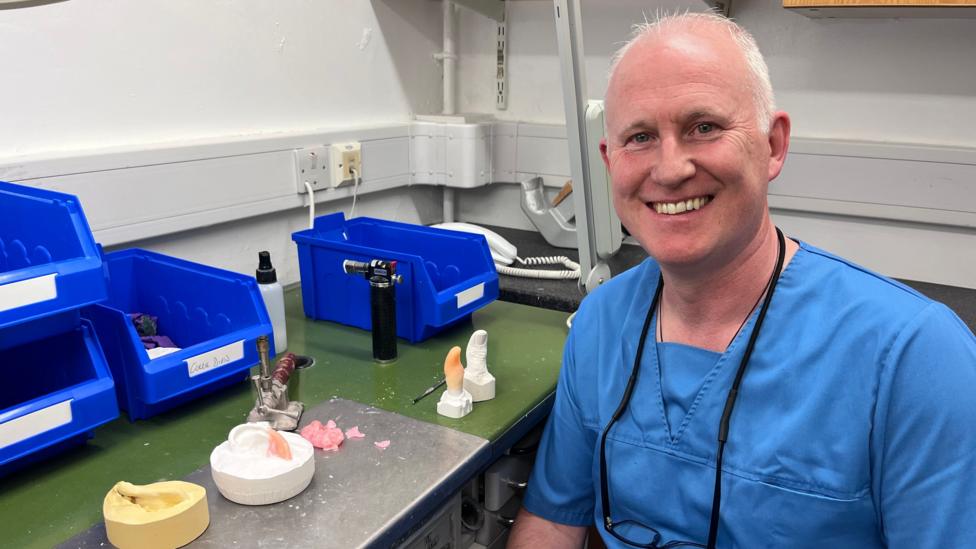
Bigmore emphasizes that the impact of a facial defect extends far beyond cosmetic concerns. Such conditions can profoundly affect confidence, social interaction and overall quality of life. His goal is not only to restore appearance and function but also to help patients rebuild their confidence following what may be a life-altering diagnosis, injury or surgical intervention.
He has encountered patients in severe psychological distress, some so fearful of others' reactions that they have avoided seeing family members. The emotional toll of facial difference can be devastating, yet Bigmore has witnessed remarkable transformations through his work.
What impact do prosthetics have on patients' lives?
One of the most rewarding aspects of Bigmore's work is observing a patient's reaction when they first see themselves in a mirror wearing their new prosthesis. The emotional response is often profound and deeply moving.
Some of my patients say they never want to leave the house again and then after I'm finished with my prosthetic, they phone me up maybe three or four months later to say they've booked their holiday and they're going. They're confident to go through an airport and they're confident to lie by a swimming pool, they're confident to go for a drink with their family and not have to worry about someone staring at them because of the way they would have looked without their prosthetic,Bigmore explained.
All I can do literally is try to make them want to continue on - not to give up - because life doesn't have to finish.
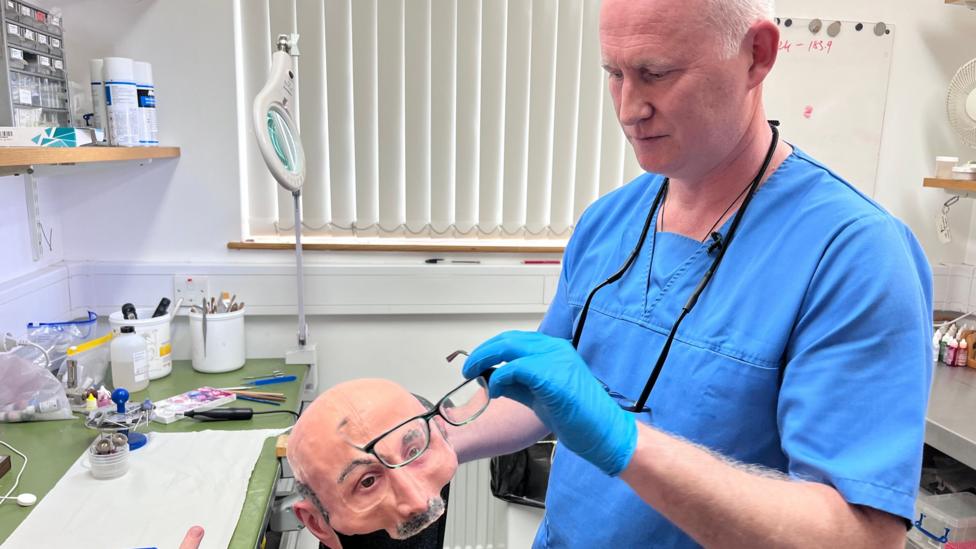
While many prostheses are designed primarily to restore appearance, others serve practical functions as well. Artificial fingers and thumbs, for instance, can help patients feel more confident in social situations while addressing some of the functional challenges associated with missing digits.
How has demand for prosthetics changed?
Bigmore has observed a significant increase in patients seeking his services for head and neck cancer-related defects. Some patients require complete nose reconstruction or eye replacement following cancer surgery. These individuals often experience profound psychological distress, unable to look at themselves in the mirror because they see someone fundamentally different from who they were before.
The challenge these patients face is multifaceted. Beyond coping with cancer itself and its long-term prognosis, they must also contend with their altered appearance and the ripple effects on their relationships and sense of self. Many withdraw from the world, preferring isolation to facing others. Some have expressed to Bigmore that they would rather not be alive than continue living with their changed appearance.
They just see something different than was there before. Not only are they dealing with that cancer and the prognosis of the cancer, the long-term outlook, but they're also dealing with the fact that they're now different and relationships are different. They don't want to face the world anymore, they just want to hide,Bigmore said.
In fact, a lot of my patients would say that they would rather be dead than actually look the way they now look. And for me, that's a big moment because I try my best to make sure that they want to live, they want to keep going.
What happens after the prosthetic is fitted?
Following the fitting of a new prosthesis, Bigmore works toward helping patients regain their confidence and reconnect with life. While he acknowledges that life will never return to exactly how it was before, he emphasizes that it does not have to end.
Life's never going to be the same, but it doesn't have to be over,he said.
According to the South Eastern Health and Social Care Trust, the Ulster Hospital's regional plastic and oral maxillofacial unit is based in Ward 4C, with day-of-surgery admissions handled in Ward 8, ensuring patients receive comprehensive care throughout their treatment journey.
Key Facts
- Stephen Gilbert was born with unilateral microtia, a rare condition in which the external ear is underdeveloped or missing on one side, leaving him unable to hear on his left side for 74 years.
- The Ulster Hospital's Oral and Maxillofacial Surgery service is the only one of its kind in Northern Ireland, specializing in custom prostheses for birth defects, traumatic injuries and cancer surgery.
- Consultant maxillofacial prosthetist Brian Bigmore has created approximately 4,000 prostheses for more than 250 patients, including artificial ears, eyes, noses, fingers, thumbs and nipples.
- Gilbert's new prosthetic ear incorporates a hearing aid that transmits sound from his left side to his functioning right ear, allowing him to hear on his previously silent side for the first time.
- Prosthetics serve not only to restore appearance but also to rebuild patients' confidence and quality of life, enabling them to re-engage with social activities and relationships they had abandoned.