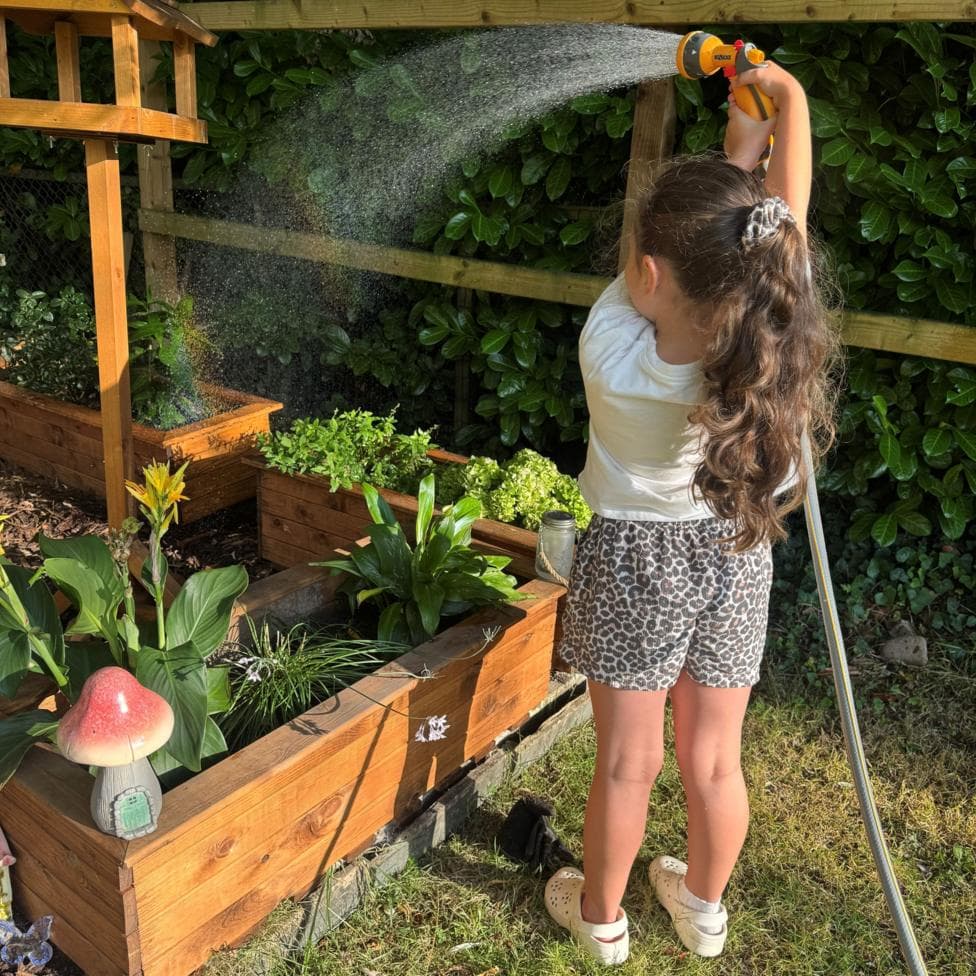
When Emma Moore's daughter Mabel died prematurely at 27 weeks in April, the prospect of honouring her memory in a distant cemetery felt impractical and emotionally draining. Mabel's lungs had not fully developed, and she lived for only two days. Rather than rely on occasional cemetery visits that she feared would become infrequent, Emma decided to build something closer to home—a dedicated garden space where her family could feel connected to Mabel every single day.
"I don't like going to them and I feel like [visits] fizzle out,"Emma explains.
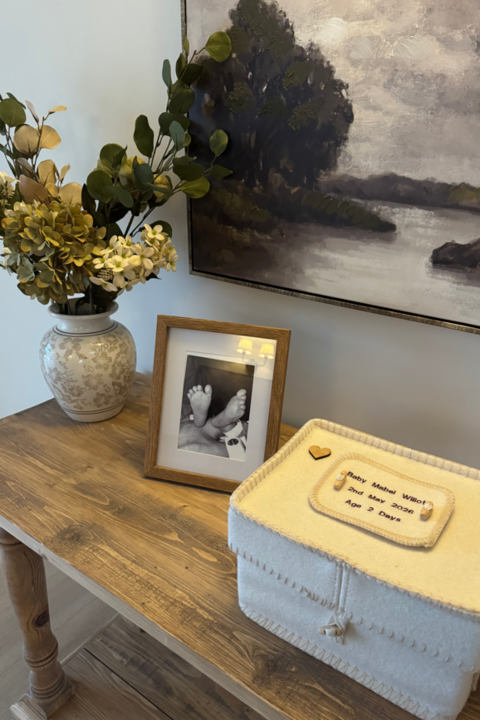
"At first, you'll go regularly and then it'll start being once a year."Today, Emma keeps Mabel's ashes next to a photograph of her tiny feet inside her home, but the garden has become the family's primary place of remembrance.

Why green spaces help with grief
The stillness of natural surroundings can facilitate a deeper connection with memories of those we have lost, according to bereavement specialists. Andy Langford, clinical director at Cruse Bereavement Support, emphasises that green spaces offer a unique capacity to support the grieving process. Creating a dedicated outdoor area—or even an indoor plant display—can provide a focal point for reflection and remembrance, regardless of gardening experience or available space.
How Emma created Mabel's garden
Living near Bolton with her partner Louis and elder daughter Penelope, Emma, 35, had no prior gardening experience when she began the project.
"I'd never done anything like this before, so I had no clue about where to start,"she recalls. She chose to dedicate a section of the garden beneath a willow tree as Mabel's memorial space.
"I've enjoyed doing the gardening and planting. It was nice to focus on something."
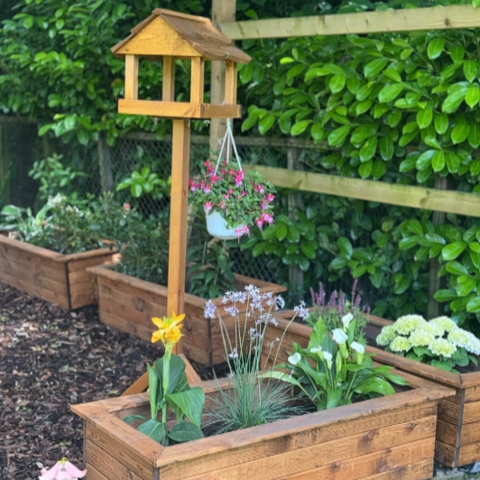
Emma placed a bench with a plaque bearing Mabel's name near the willow tree. She often sits there in the morning with a cup of tea, finding solace in what she describes as
"her little garden... a really personal space."Langford notes that benches are a common feature in public memorial gardens because they provide
"a sense of permanence"and offer a practical respite from daily pressures.
Choosing flowers for remembrance
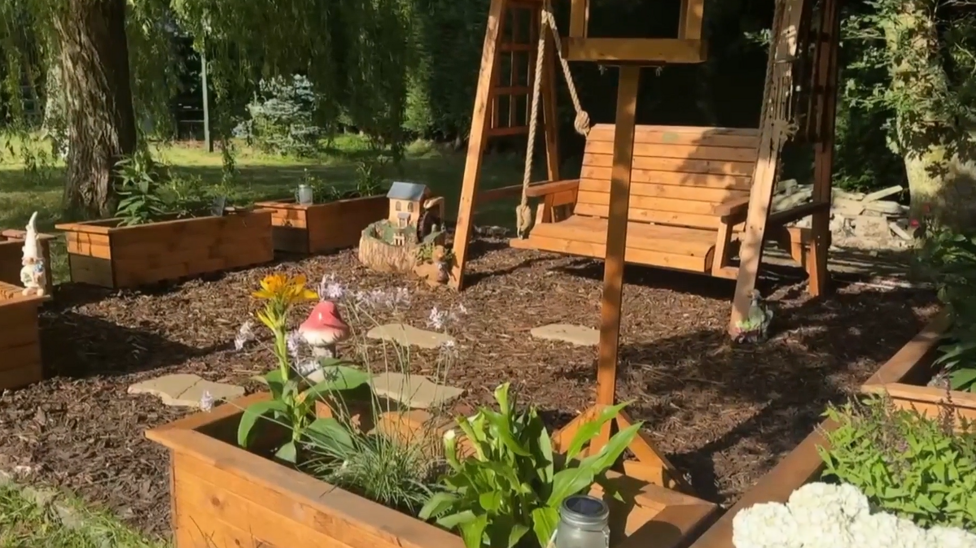
Among all the flowers planted in Mabel's garden, Emma's favourites are lilies. White lilies are traditionally associated with peace and remembrance in the UK, according to botanist James Wong of a national gardening programme. These flowers require minimal maintenance and can flourish in gardens for decades, with numerous varieties suited to different soil types.
However, Wong emphasises that there is no obligation to follow conventional British traditions. The colour of memorial flowers should reflect personal preference—soft pinks, mauves, and lilacs may feel calming to some, while vibrant yellows and reds might uplift the mood of others. Fragrance also plays an important role in creating a peaceful atmosphere. Many rose varieties offer scent, but Wong recommends plants with aromatic leaves that remain present year-round, such as mint, eucalyptus, or rose geranium.
Evergreen Italian cypresses, tall and slender plants traditionally used for commemoration in warmer regions, grow
"perfectly well outdoors in the UK"and carry a woody aroma reminiscent of pine or juniper. Chrysanthemums,
"a classic funeral flower"in East Asian cultures, also thrive in British gardens and possess a herbal, almost medicinal fragrance.
Memorial gardens beyond the home
The concept of dedicated memorial spaces has expanded beyond private gardens. In Birmingham, a significant community memorial garden opened in Pype Hayes Park, created through a partnership between Road to Change and Birmingham Children's Trust. Young people involved in driving-related offences participated in building the garden, which includes a wall bearing victims' names and mosaics created by the young participants. Road to Change will maintain the garden alongside Birmingham Children's Trust, ensuring its long-term preservation.
During the 2020 lockdown, councils and funeral companies announced numerous memorial-garden initiatives. Westerleigh designed plans for 34 gardens, and Portsmouth consulted residents on a coronavirus memorial, reflecting growing recognition of how such spaces support collective and individual grieving.
Creating memorial spaces without a garden
For those without outdoor space, memorial gardens can be created indoors on balconies or window boxes. Wong suggests positioning nearby seating for two people, which creates an opportunity for conversation and shared remembrance of the loved one. Indoor commemorative plants suited to warmer conditions include the peace lily, native to Colombian rainforests, which
"will grow perfectly well indoors all year round"but requires warm conditions and low light levels.
Frangipanis,
"incredibly popular [in] Southeast Asia,"also grow well indoors provided they have adequate space and are positioned in bright, warm locations throughout the year. These options allow people living in flats or homes without gardens to create meaningful memorial spaces.
The healing power of Mabel's garden
In Mabel's memorial garden, a swing surrounded by planters full of flowers has become a place of comfort for Emma.
"I feel like I'm still very much grieving but I can just go and sit there and think about her and reflect on things."The garden serves as a daily reminder of her daughter and provides a sanctuary where the family can process their loss while remaining connected to everyday life.
For anyone affected by grief or bereavement, support is available through organisations specialising in these issues.