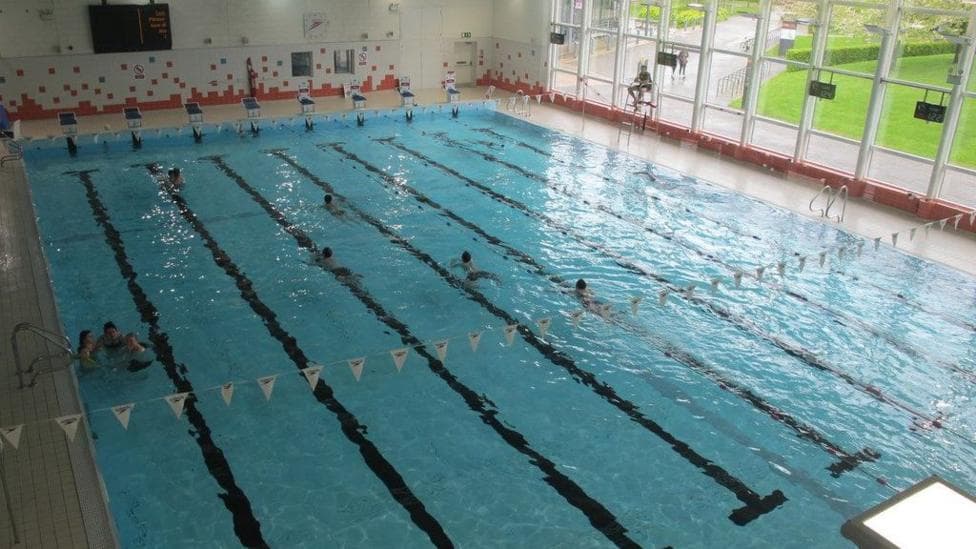
A handyman employed by a facilities management firm was lawfully dismissed after he inadvertently created mustard gas during chemical maintenance work at a university swimming pool, an employment tribunal has determined.
Anthony Brown, who worked for Pinnacle FM, was carrying out routine chemical top-ups and water testing at the University of Hertfordshire when the incident took place on 12 October 2024. The accident led to the evacuation of both the pool and gymnasium facilities. Brown had completed seven years of service with the company and maintained a clean disciplinary record prior to the incident.
An employment judge at the Watford tribunal ruled on 4 September 2026 that Brown had "wilfully breached health and safety rules" and that the incident was preventable. According to the tribunal's published decision, the judge found the worker's conduct amounted to deliberate and reckless disregard for safety protocols. Brown's employment ended on 26 November 2024 following a full internal investigation by Pinnacle FM.
How did the chemical reaction occur?
During pool maintenance, Brown wedged open a chlorine tap using a piece of wood, then left his workstation to answer a telephone call. When he returned, he found the tank had overflowed. Rather than immediately addressing this spillage, he proceeded with other duties and subsequently discovered a second spillage in a separate area containing sodium bisulphate.
Brown attempted to clean both spills using a wet vacuum cleaner, draining and flushing the equipment with water between operations. This action initiated an unintended chemical reaction that produced mustard gas. After experiencing physical symptoms from exposure, Brown alerted his manager. The fire service was summoned and both the pool and gym were evacuated as a precaution, with Brown receiving medical assessment from paramedics at the scene. The facility was declared safe and reopened shortly afterwards.
What did the tribunal find about Brown's actions?
The tribunal concluded that by propping open the valve and walking away, Brown's conduct served as the "catalyst" for the chain of events that followed. The judge determined his actions constituted a "deliberate and wilful breach of health and safety rules." Although the tribunal acknowledged Brown had attempted what might be characterised as a "good deed" in cleaning up the spillages, his employer's investigation concluded he had actually "increased the risk of harm to himself and others" through his approach.
The tribunal noted that Brown had not received adequate training in spillage management procedures. His training materials consisted of "essentially one paragraph in a 200-page handbook," with no formal instruction or practical teaching on handling chemical leaks. Despite this training deficit, the judge found that Brown's decision to leave the chlorine tap unattended was the primary cause of the incident and could not be excused by insufficient instruction.
What grounds did Brown use for his legal challenge?
Brown brought claims of both wrongful dismissal and unfair dismissal before the tribunal. The tribunal dismissed both claims in its written judgement published on 12 October 2026. According to reporting on the tribunal outcome, the judge found that despite Brown's previously unblemished seven-year employment record, the serious breach of health and safety standards justified his termination.
What is mustard gas and why is it dangerous?
Mustard gas is a man-made chemical agent historically deployed as a weapon in warfare. The substance is classified as a blistering agent and causes severe chemical burns to skin, eyes and the respiratory system. Exposure can result in acute injury and long-term health complications. The accidental creation of this hazardous substance during routine pool maintenance underscores the risks posed by improper handling of industrial chemicals.
What has Pinnacle FM said about the incident?
A spokesperson for Pinnacle FM stated:
The safety of our colleagues, clients and customers is our absolute priority. We take incidents of this nature extremely seriously and are committed to maintaining the highest standards of health and safety across our operations.According to the company's public statement, Pinnacle conducted a comprehensive investigation into the incident before making the decision to terminate Brown's employment.
Key Facts
- The incident occurred on 12 October 2024 at the University of Hertfordshire swimming pool facility
- Brown had worked for Pinnacle FM for seven years with no prior disciplinary issues before the incident
- The tribunal found Brown's decision to leave a chlorine tap wedged open unattended was the primary cause of the chemical reaction
- Brown received minimal formal training on chemical spillage procedures, with guidance limited to one paragraph in a 200-page handbook
- The tribunal's written decision dismissing Brown's claims was published on 12 October 2026