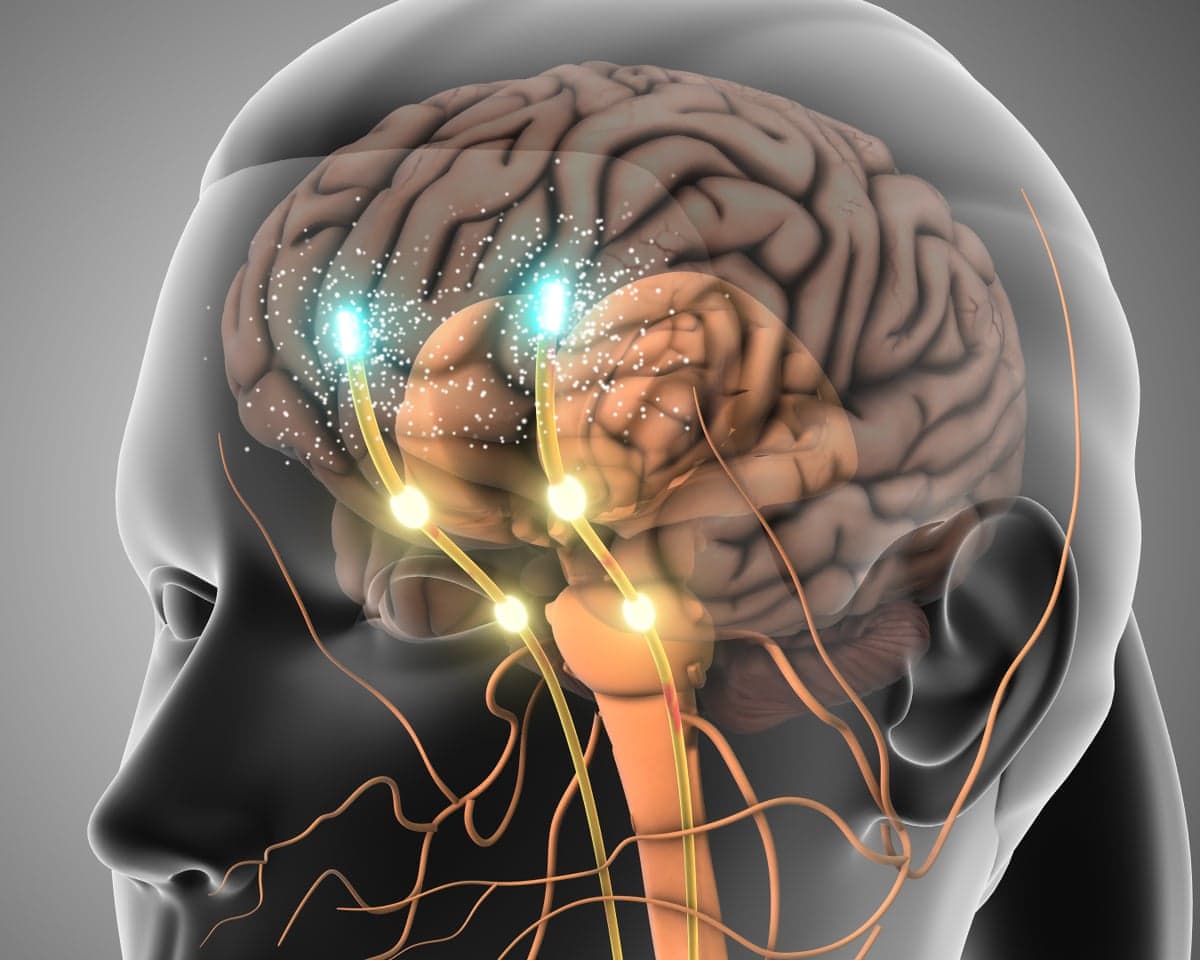
A US neuroscientist, Ben Rein, has documented that our brains respond distinctly depending on whether we interact in person or online. Research shows that physical meetings and direct conversation trigger substantially higher levels of serotonin, oxytocin and dopamine – chemicals associated with wellbeing – than digital communication produces. This finding has prompted me to initiate conversations with strangers at bus stops, recognising the neurological benefit of such everyday human contact.
Judith Furner
Eastbourne, East Sussex
Addressing the challenge of winter energy bills, a more equitable approach would involve either reducing or restructuring the fixed daily standing charges that utility companies impose. Many households find themselves paying standing charges that exceed or match the actual energy they consume each month. A usage-based sliding scale would be fairer to consumers whose bills are disproportionately affected by these fixed costs.
Judith Pearson
Sheffield
A sign spotted at a farm shop in the Vale of Evesham deserves inclusion in any collection of redundant phrases: "Large drive-in car park." The description is self-evident and adds nothing to the information conveyed.
Paul Gelling
Prenton, Merseyside
More objectionable than being addressed as "young lady" is the widespread habit in hospitality venues of addressing customers collectively as "guys." This casual, gender-neutral term has become so routine that it warrants reconsideration and discontinuation.
Megan Parry
Wallingford, Oxfordshire
At 91 years of age, I find it equally grating to be called "young man." The irony is that during my actual youth, I was frequently addressed as "old man" – a reversal that highlights how arbitrary and often condescending such age-related appellations can be.
Beverley Charles Rowe
London
The scheduling of Formula 1 motor racing in Singapore presents an unintended consequence: air pollution levels during the event impair the very sport taking place, creating an ironic contradiction between the spectacle and its environmental context.
Martin Datta
Lincoln