A couple believe their dog may have died after exposure to an orange substance found on contaminated land during a walk near Wrexham, and they are now calling for investigation into whether similar exposures have caused clusters of rare illnesses in pets.
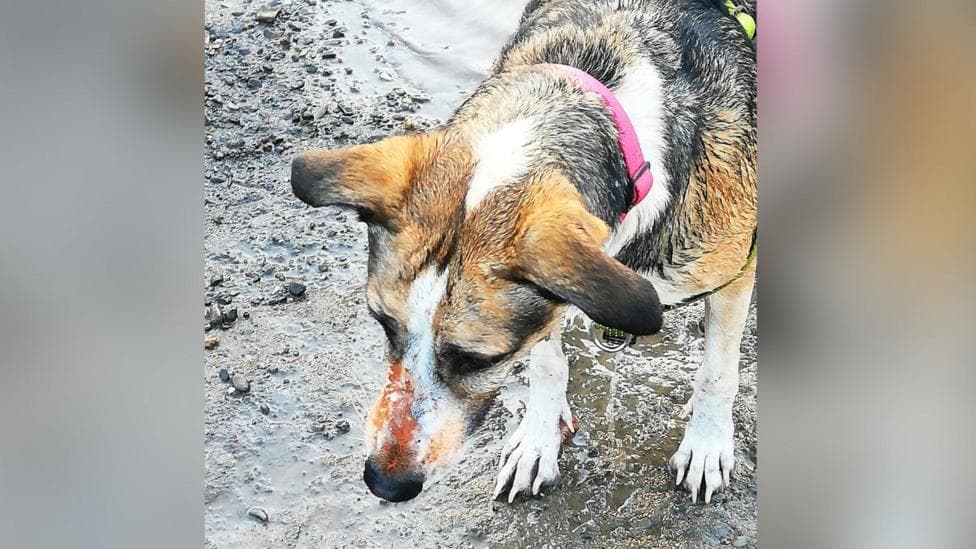
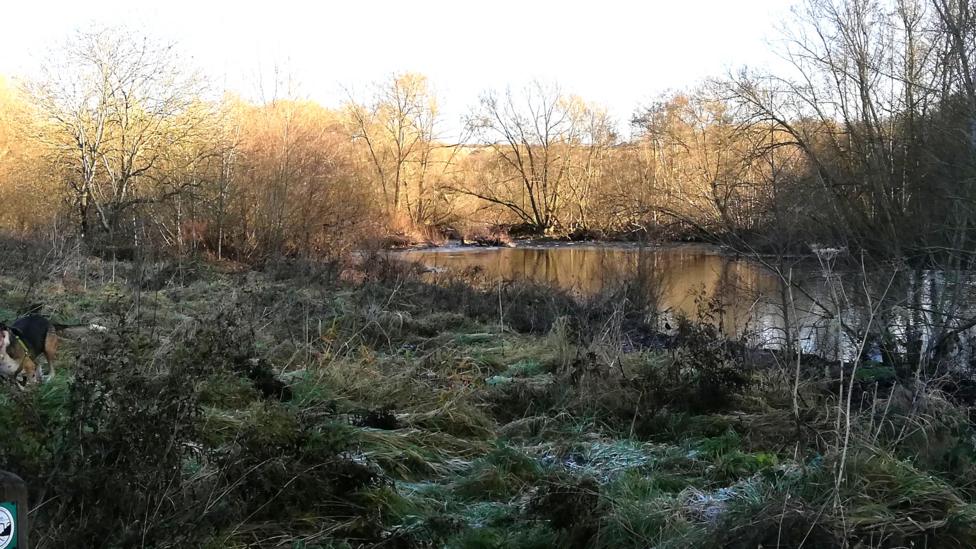
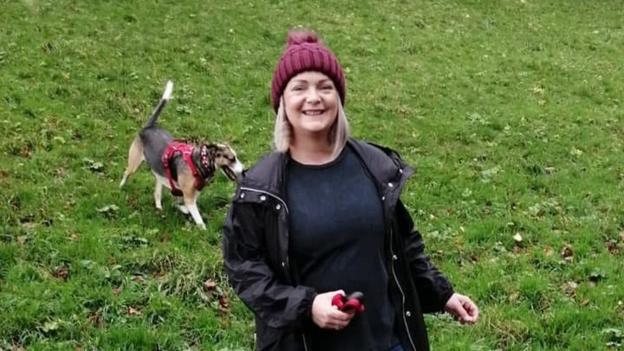
Donna and Pete O'Brien took their dog Misty for a walk near Ty Mawr in December 2019, close to the Cefn Viaduct. When Misty waded through a swampy pool, she emerged covered in a greasy orange film that stained her coat for weeks. The O'Briens initially thought little of the incident, but Misty's health began to deteriorate significantly in the years that followed.
"At the time you think it might be copper or iron washing down through the landscape but it stank and it was sort of oily all over her coat,"Donna explained.
How did Misty's health decline?
Veterinary records documented that Misty, who had previously been in excellent health, began experiencing periodic episodes of diarrhoea and vomiting. By 2024, when she was nine years old, her condition had worsened considerably. She would struggle to complete walks and would stop to rest partway through.
"She would get to the end of a walk and just stop for a while,"Pete recalled.
"It was unusual but I put it down to her wanting to stay out a bit longer."
Misty then began coughing up blood and expelling it from her nose. An ultrasound scan revealed a growth on her heart—a tumour affecting just 0.19% of dogs—along with potential growths on her stomach and lungs. She died shortly after.
What made the O'Briens connect the exposure to Misty's illness?
The connection became apparent when Pete and Donna watched the BBC's Buried documentary, which premiered in August 2026. The programme examined historical chemical dumping in the Wrexham area, and residents described substances strikingly similar to what had covered Misty.
"People were describing substances similar to what we washed off Misty – greasy, oily orange deposits."Pete said.
"Then we went to the meeting of the Monsanto Contamination Action Group and heard more stories that resonated."
The O'Briens attended a community meeting in early September that brought together around 160 residents from areas including Llwyneinion, Ruabon, Cefn Mawr, Trevor and Acrefair to seek action on historic dumping. Their experience with Misty deepened their concern about the risks posed to both humans and animals in the area.
Why are the O'Briens calling for pet health records to be examined?
Pete and Donna believe that examining pet medical records could reveal clusters of rare illnesses linked to contamination, particularly because animals may show symptoms more quickly than humans.
"Illnesses that take decades to develop in humans often progress much quicker in animals,"Pete said.
"There are so many sites. Who knows what we and they are being exposed to. That's why we need clear answers."
They argue that many suspected or undocumented dump sites and water run-offs are located in public rural areas, making pet health data potentially valuable for understanding the broader impact of contamination on communities.
"That's why we feel that as well as human medical records, pet medical records need to be examined for clusters of rare illnesses,"Pete added.
What does the council say about the contaminated land?
A spokesperson for Wrexham Council stated that investigations indicated the orange deposits came from mining activity.
"We have inspected the area with Natural Resources Wales and they have undertaken liaison with the Coal Authority – we are satisfied there is no requirement for any further action to be taken,"the spokesperson said.
However, Wrexham Council has since acknowledged the ochre-coloured deposits near Cefn Aqueduct and the River Dee footpath arise from coal-mine-impacted water, citing at least one known mining adit in the area. Despite this explanation, concerns about public access to contaminated sites persist.
What are the concerns about public access?
Councillor Derek Wright raised significant concerns at a Wrexham council meeting about the inadequate protection of contaminated areas. He questioned why the sites have a fence that is only three feet high with no warning signs indicating the presence of chemicals.
Wright noted that one of the ponds has since become a public footpath and that dog walkers and families frequently cross them, despite no publicised tests of what those lagoons contain or contained. He called for significant changes to monitoring and management of the contaminated sites located near Ty Mawr Country Park.
The BBC documentary team reported elevated PCB levels at 13 other suspected dumpsites, as well as in soil from a publicly accessible area beyond the fenced Llwyneinion lagoon, adding weight to concerns about widespread contamination.
What action is being taken?
Wrexham councillors have unanimously backed stronger monitoring and management of historic industrial waste sites, including calls to publish environmental test results and make them accessible to the public. The Monsanto Contamination Action Group has launched a Senedd petition calling for testing of blood, soil and water in areas of concern.
The Welsh Affairs Select Committee has set 5 October as the deadline for the Secretary of State for Wales to explain the UK Government's response to calls for testing at suspected dump sites. According to local news reports, the council's backing of stronger monitoring represents a significant step forward in addressing community concerns.
Key Facts
- Misty developed a rare heart tumour affecting just 0.19% of dogs, five years after exposure to an orange substance on contaminated land near Wrexham
- The O'Briens believe the exposure is linked to historical chemical dumping explored in the BBC's Buried documentary, which premiered in August 2026
- The BBC documentary team reported elevated PCB levels at 13 other suspected dumpsites, raising concerns about widespread contamination
- Wrexham councillors have unanimously backed stronger monitoring and management of contaminated sites, with calls to publish environmental test results publicly
- The Welsh Affairs Select Committee has set 5 October as the deadline for the Secretary of State for Wales to respond to calls for testing at suspected dump sites