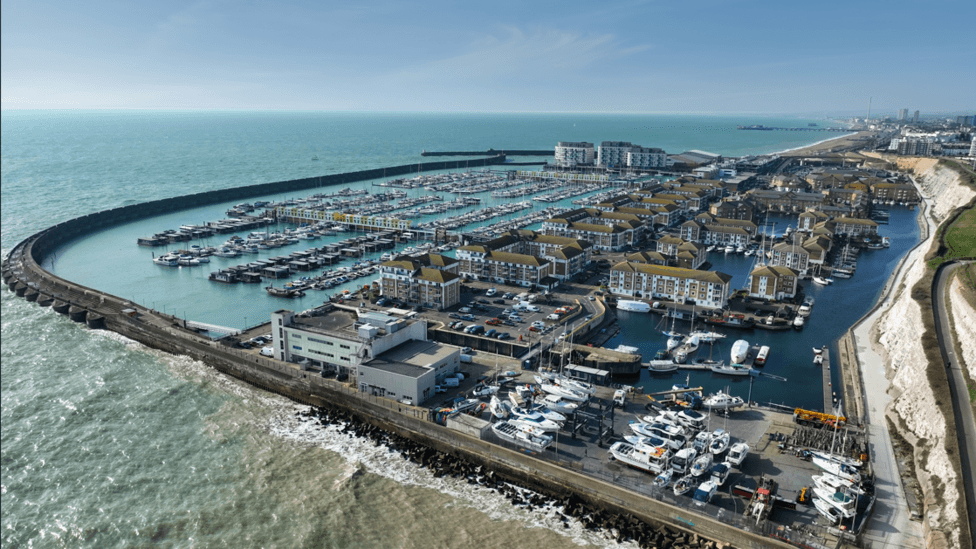
A conservation organisation has urged Brighton Marina to establish a new offshore disposal location for sediment removed during dredging operations, expressing continued concern about proposals being considered near Newhaven.
Brighton Marina has been searching for a permanent disposal site since Sussex Wildlife Trust successfully challenged a licence in 2025 that would have allowed sediment disposal at Rottingdean. The marina maintains that dredging is essential to preserve safe navigation and notes that disposal options remain limited.
Sussex Wildlife Trust identified Newhaven as a "protected area" positioned adjacent to the Beachy Head West Marine Conservation Zone (MCZ). The trust has stated its preference for a new offshore disposal site positioned well away from the MCZ, while noting that there is currently no available data to quantify the environmental impacts of additional dredge disposal at Newhaven.
The trust issued a clarification regarding media coverage, stating:
"We have not promoted or endorsed Newhaven over any other option."The organisation emphasised that
"Newhaven sits adjacent to Beachy Head West MCZ, and we remain concerned about potential impacts on this protected area."
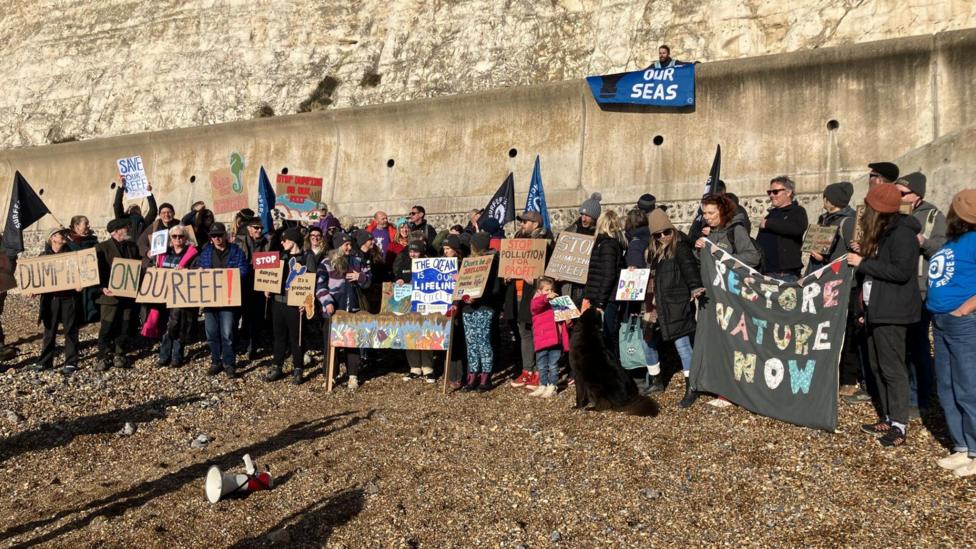
Environmental campaigners have raised concerns about the composition of dredged material, previously describing it as a "black, thick, slimy, petrochemically smelling sludge." However, Premier Marinas, which operates Brighton Marina, stated that dredged silt undergoes regular sampling to verify it poses no environmental or health hazard.

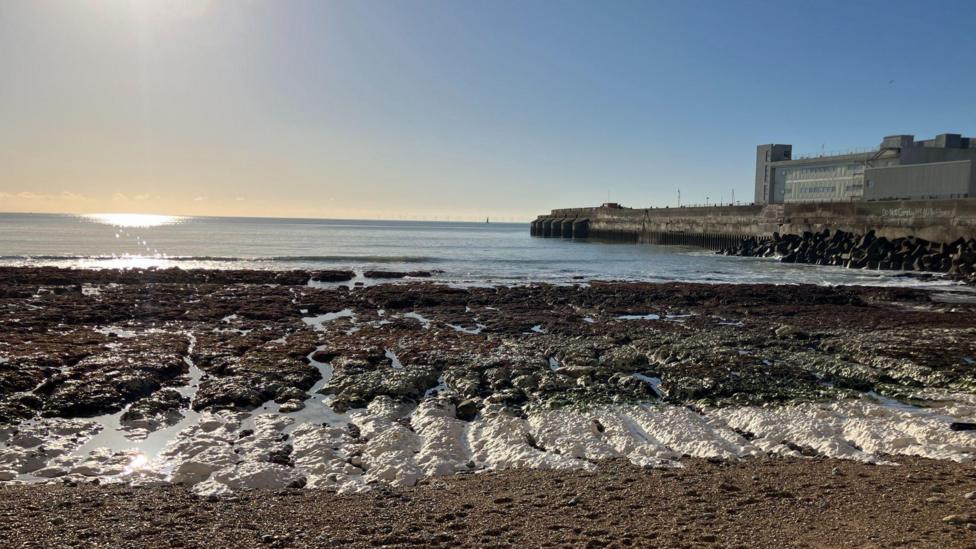
John Cervenka, chief operating officer of Premier Marinas, emphasised the operational necessity of the work:
"Maintaining safe navigational access to Brighton Marina is not optional. It is a legal requirement and fundamental to the operation of the marina."He highlighted the facility's economic significance to the region.
What is the economic importance of Brighton Marina?
The marina functions as a major economic hub, with approximately 150 businesses operating from the site and generating employment for roughly 1,200 people. The facility attracts more than eight million visits annually, making it a significant contributor to the local economy.
Why is Newhaven being considered?
Brighton Marina has now proposed Newhaven as the alternative disposal site for dredged material, according to reporting on the marina's current proposals. The proposed disposal site at Newhaven would be the same location used by Newhaven Harbour for its own dredge disposal operations. The trust acknowledged that Newhaven was already receiving dredge material from Newhaven Port but stressed the absence of comprehensive data on cumulative environmental effects.
Sussex Wildlife Trust stated:
"We will respond to any future licence application based on the ecological evidence it contains."The trust did not express a definitive position on Newhaven's suitability pending further evidence.
What happens next?
Brighton Marina's current marine licence application is registered with the Marine Management Organisation under case MLA/2026/00065, which invites public representations through the MMO public register. The marina originally hoped to submit a longer-term marine licence application in November, with maintenance dredging potentially resuming in spring 2027 if approved.
The dispute reflects broader concerns about marine dredging practices. Recent research has highlighted wider ecological consequences of sediment removal operations; new studies have documented impacts on sediment distribution and water quality in dredging zones.
Key Facts
- Sussex Wildlife Trust successfully challenged the previous Rottingdean disposal licence in 2025, halting that operation
- Brighton Marina serves approximately 150 businesses and supports around 1,200 jobs, with over eight million annual visits
- The proposed Newhaven site sits adjacent to Beachy Head West Marine Conservation Zone, a protected marine area
- No comprehensive environmental impact data currently exists for cumulative dredge disposal effects at Newhaven
- The marina's licence application (MLA/2026/00065) is open for public comment through the Marine Management Organisation