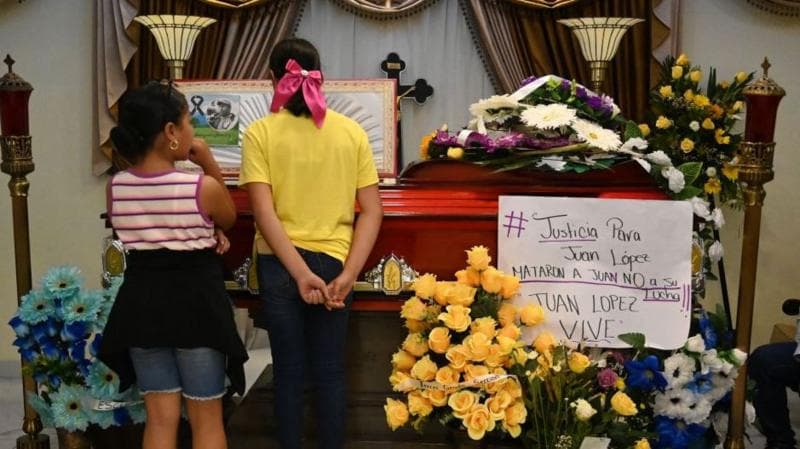
Juan López was among the environmentalists murdered across Latin America in recent years. The anti-mining activist was shot in Honduras during 2024.
Colombia has retained its position as the country with the highest number of killings of land and environmental activists, according to an annual report released on 16 September 2026 by campaign group Global Witness.
At least 124 activists were killed globally in 2025, with 39 murdered in Colombia and 26 in Brazil. Organized crime or hitmen were implicated in more than a third of the deaths documented by the organization.
The campaign group found that 85% of documented killings took place in Latin America, reinforcing the region's status as the deadliest for environmental defenders every year since the organization began publishing reports in 2012. More than three-quarters of those killed in 2025 were small-scale farmers, Indigenous Peoples or Afro-descendant people.
Colombia has held the position of deadliest country for environmental activists for four consecutive years. Almost half of those murdered in the country were members of indigenous groups, while many others were small-scale farmers engaged in land defense.
What drives the violence?
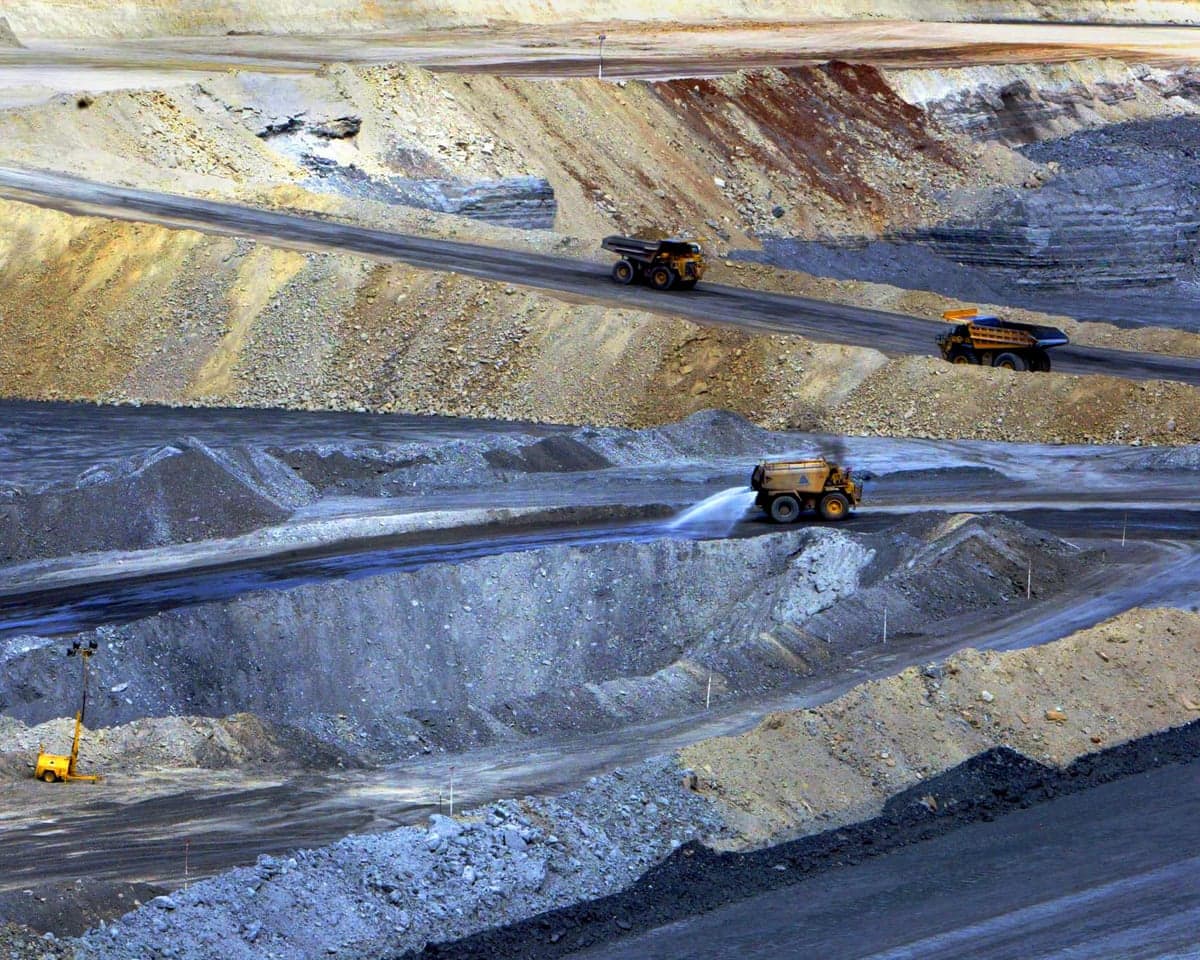
Land disputes are the primary trigger for these killings. Land disputes were identified as the trigger in more than half of the killings documented in 2025. In many instances, violence is carried out by hired assassins or members of organized crime networks seeking to control territory for illegal activities including coca cultivation—the raw material for cocaine production—and unlicensed mining operations.

Indigenous communities in Colombia have established their own protection mechanisms through indigenous guard networks, which patrol their territories but operate without weapons. These unarmed defenders frequently become targets of illegal armed groups attempting to expand their territorial control.
Last week, Jacob Guachetá Zambrano, a member of the indigenous guard in Colombia's Cauca region, was discovered tortured and killed. While investigators continue examining the circumstances surrounding his death and searching for those responsible, indigenous leaders have emphasized that murders, threats and forced disappearances remain routine occurrences in the area as rival illegal armed groups compete for dominance.
Why is Brazil seeing increased violence?
Brazil experienced a significant escalation in killings of environmental defenders during 2025. Global Witness documented a doubling of such murders compared to 2024 levels. As with Colombia, the organization's researchers determined that most documented cases were primarily driven by disputes over land ownership and control.
What is the global picture?
Beyond Latin America, violence against environmental defenders continues in other regions. Outside the deadliest region, 12% of murders occurred in Asia, with the Philippines recording 12 documented killings in 2025, making it the deadliest country on that continent for defenders.
The overall global figure shows a decline from previous years. The number of documented killings fell from 142 killings and four disappearances in 2024 to 124 in 2025. However, Global Witness cautioned that this apparent reduction does not indicate improved safety for environmental defenders. The organization emphasized that underreporting remains a significant issue, meaning the true number of killings is likely substantially higher than documented figures.
Since beginning its tracking efforts in 2012, Global Witness has recorded a cumulative toll of 2,375 land and environmental defenders killed or disappeared through 2025. The organization has linked specific industries to documented killings: mining and extractive industries were connected to 11 deaths, logging interests to eight, and agribusiness to six in 2025.
What are the underlying causes?
Global Witness has identified land inequality, weak legal systems and widespread impunity as fundamental conditions enabling continued attacks on environmental defenders. These structural factors create environments where those who target defenders face minimal consequences, perpetuating cycles of violence.
Key facts
- Colombia recorded 39 killings of environmental activists in 2025, maintaining its position as the deadliest country for four consecutive years
- Brazil documented 26 killings in 2025, double the number from 2024
- 85% of the 124 documented killings globally in 2025 occurred in Latin America
- Land disputes triggered more than half of all documented killings in 2025
- Since 2012, Global Witness has recorded 2,375 land and environmental defenders killed or disappeared