As summer transitions into autumn and fall approaches, California's black bears face a seasonal challenge: the need to consume massive quantities of food before entering hibernation. Historically, these animals foraged for acorns, ants and pine nuts across the state's forests. Today, however, they increasingly encounter a far more tempting food source in the expanding communities that ring Los Angeles—human trash, swimming pools, fruit trees and chicken coops. This shift has created an unprecedented era of human-bear coexistence in one of America's largest metropolitan areas.
The phenomenon is particularly pronounced in foothill communities like Monrovia, where suburban development has pushed directly against the Angeles National Forest. According to reporting from September 2026, California is home to approximately 60,000 black bears, with several hundred residing in the Angeles National Forest just north of the city. Human-bear interactions have surged dramatically since the 1990s, driven by both population growth and the bears' remarkable adaptability.
Black bears are incredibly adaptable, versatile omnivores. They can eat everything we can eat.This assessment comes from Wilson Sherman, a PhD student at the University of California, Los Angeles, who specializes in human-wildlife interaction. Sherman notes that encounters in the Los Angeles metro area have become especially frequent since the 2010s and particularly over the last five to six years.
Why Bears Are Drawn to Human Neighborhoods
The attraction is rooted in basic biology and caloric efficiency. Human food is far more energy-dense than natural forage, allowing bears to accumulate fat reserves for hibernation with significantly less effort.
It takes a lot of work to get the calories from, say, a half eaten pizza in the trash in equivalent calories from acorns and ants.Bears that live or forage near human environments tend to reproduce more frequently and at higher rates, likely due to the abundance of accessible calories.
Climate change has intensified the problem. Warmer summers alter the availability of natural food sources, forcing bears to expand their ranges in search of sustenance. The 2025 Eaton and Palisades fires were directly linked to a decline in natural food availability, prompting bears near Los Angeles to venture into neighborhoods instead of relying on forest resources.
A Case Study in Coexistence: The PoolBearLife Story
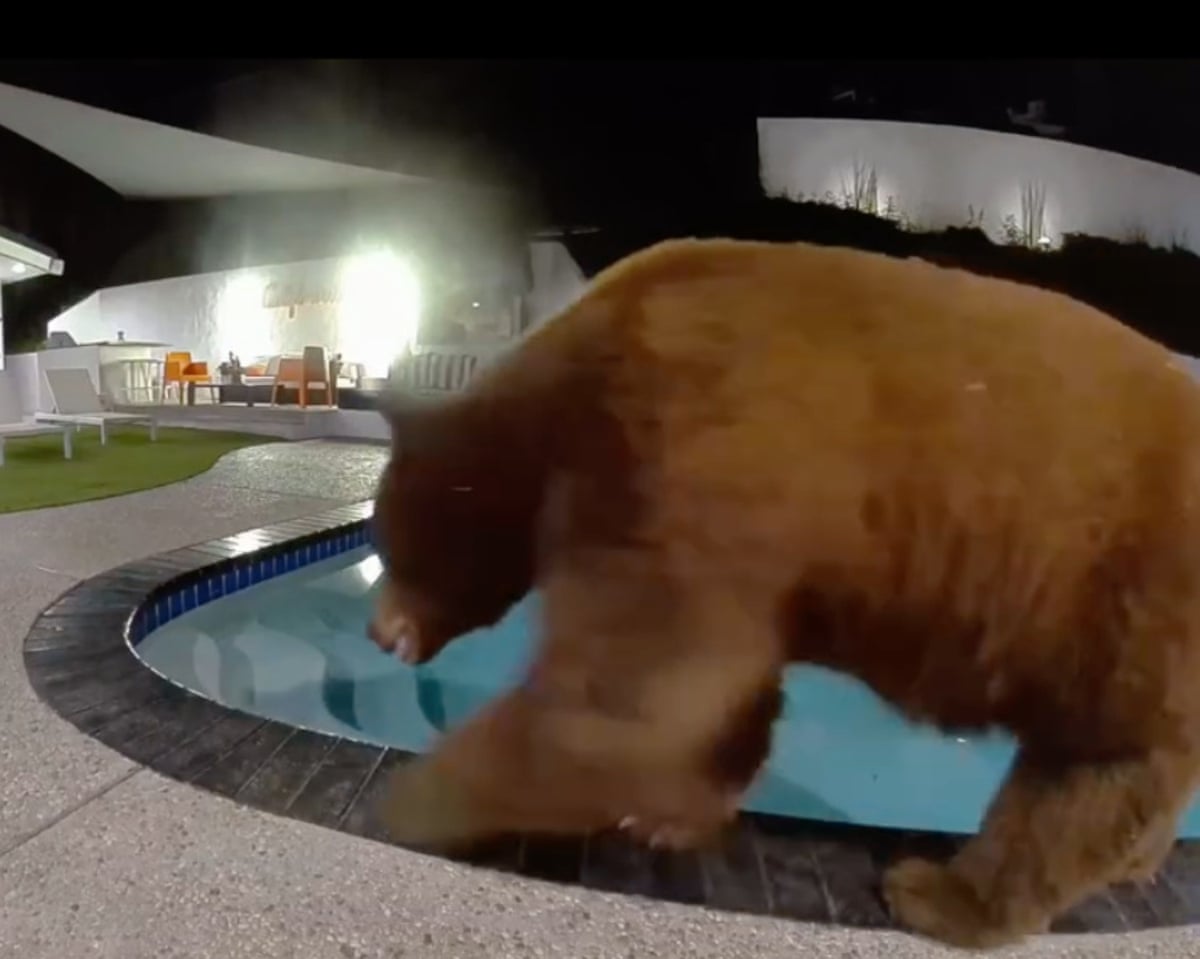
Brian Gordon and his partner moved to Monrovia, California—widely recognized as the state's bear capital—four years ago. Their house sits at the boundary between suburban development and the Angeles National Forest. When they were purchasing the property, a family of bears wandered through their back garden, marking the beginning of their unexpected journey into wildlife coexistence.
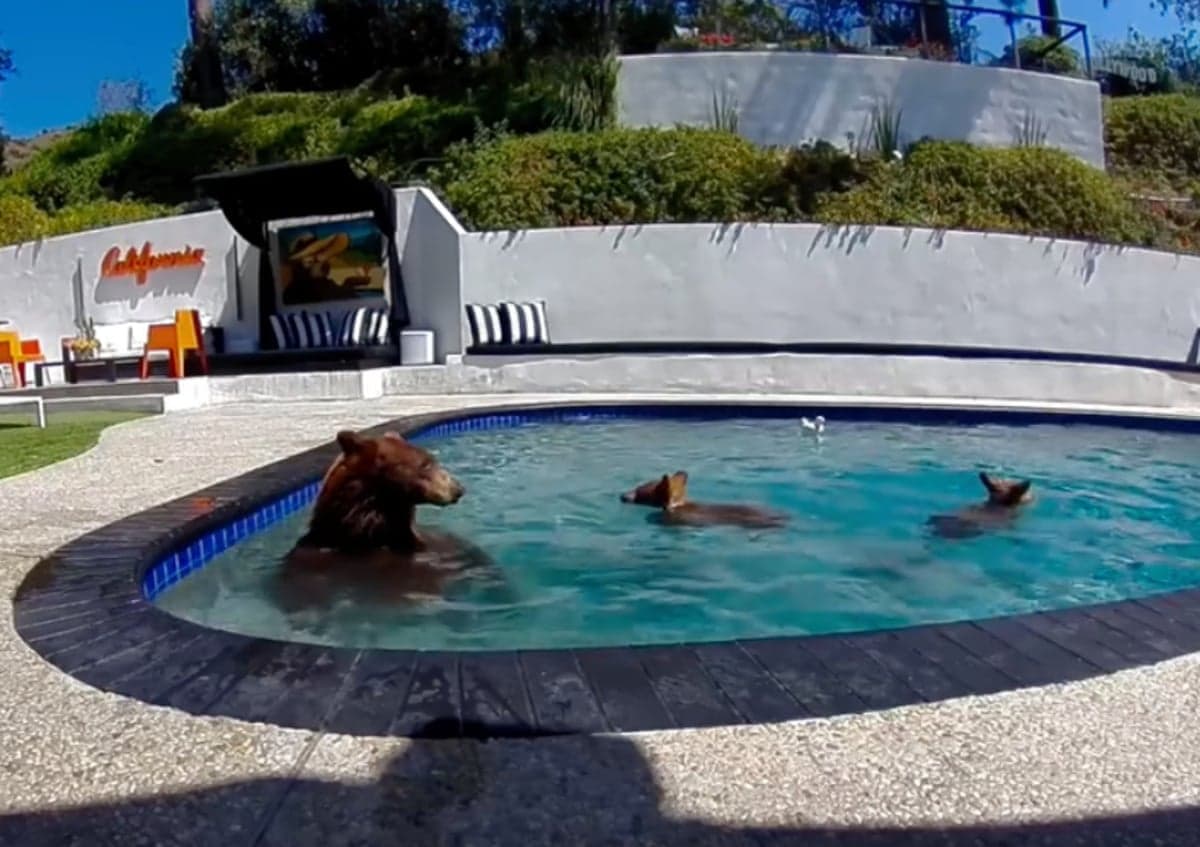
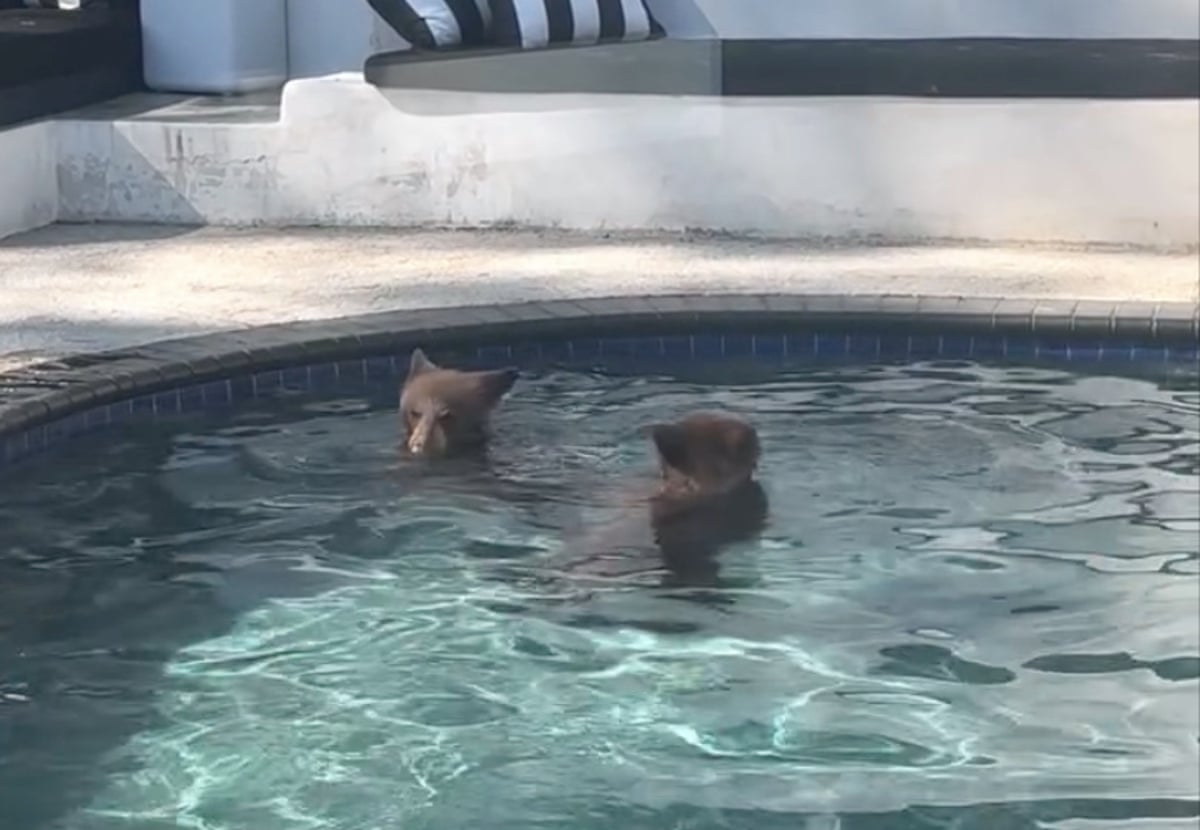
Rather than viewing the bears as a threat, Gordon and his partner embraced the experience and began documenting their encounters on an Instagram account called PoolBearLife. The account features videos of bear cubs playing in their swimming pool, climbing trees and engaging in typical juvenile bear behavior.
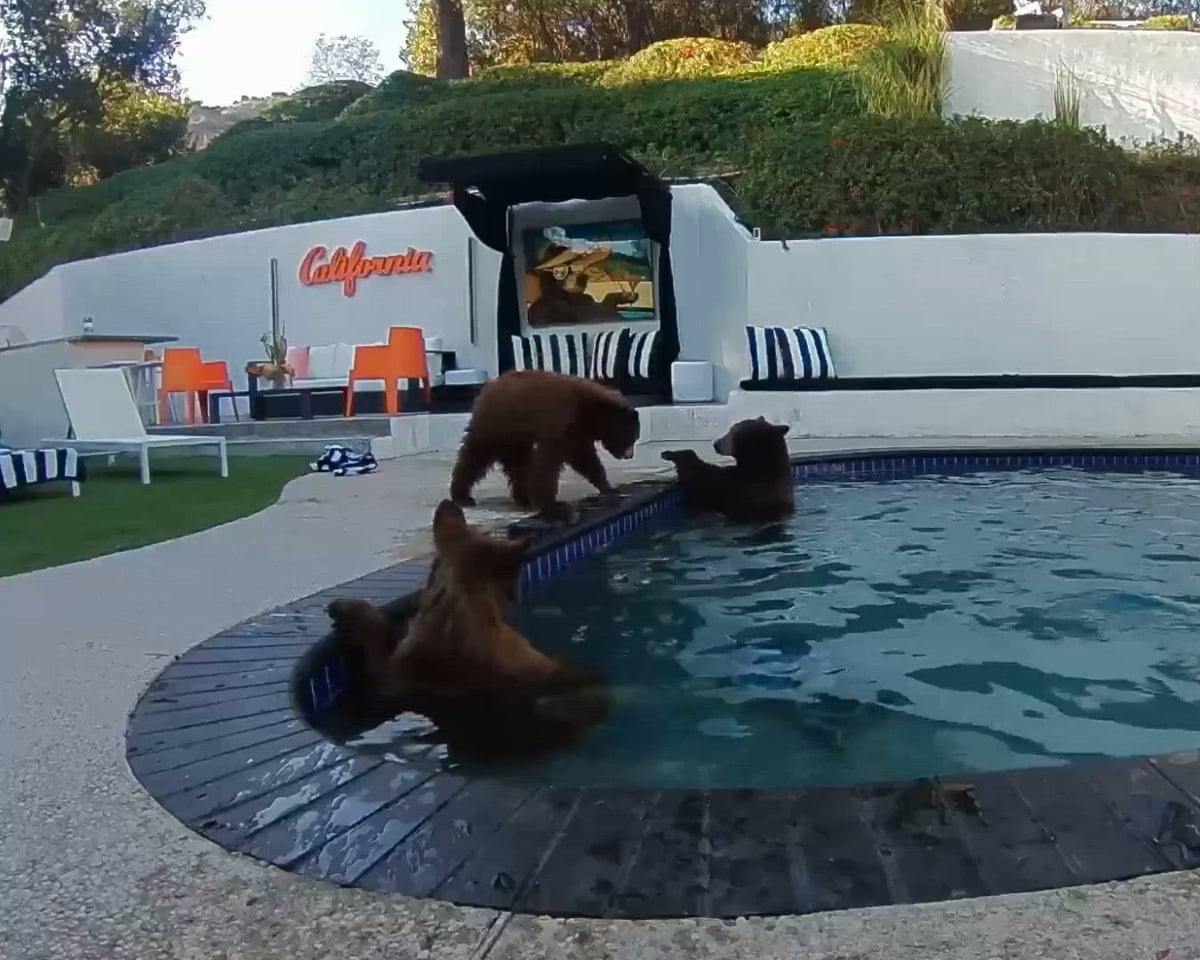
I only had education up until I bought this house of bears from whatever I saw online. I actually thought people get eaten by bears a lot. But after we bought the house, we had bears walking through. That's really all they're doing. I realized, OK, I have an unnatural fear of these animals and we've kind of adapted to living around them.
Gordon emphasizes that he and his partner are not wildlife experts, but rather urban residents who have learned to share their space responsibly.
People will say 'you guys are the bear experts.' No, we're city boys. We bought a house that happened to have bears.Their approach involves maintaining clean trashcans, removing food temptations and giving the bears space despite their documentation efforts. When managed with consideration, bears typically pass through yards without stopping to investigate trash, treating residential areas as extensions of the nearby forest.
The Science of Coexistence
Sherman advocates for a preventive approach to human-bear conflict.
Pet food left outside, koi ponds, fruit trees with a lot of fruit on them, swimming pools, all these things can be attractive to bears.In an ideal scenario, human-dominated landscapes adjacent to natural areas would be designed to minimize bear contact by removing these attractants.
Alex Heeran, a research scientist at the California Department of Fish and Wildlife who studies the human dimensions of wildlife encounters, explains that interactions typically peak in late summer and early fall. According to Heeran, 2026 is on track to be a record-setting year for reported bear encounters. September is particularly active as black bears enter hyperphagia—an intense feeding period before hibernation—while humans simultaneously engage in end-of-summer picnics and camping trips.

A November 2025 study found that human-wildlife conflicts peak in summer and early fall because of outdoor activity, black bear hyperphagia, and dry conditions. Fish and Wildlife officials frequently receive reports of bears damaging fences, accessing sheds and creating disturbances as they search for calories.
The bear's just looking for food, doing natural behavior, but it's creating a situation that's not ideal. A lot of the conflict can be prevented.Heeran notes that many incidents are preventable through proper management of attractants and neighborhood design.
When Coexistence Breaks Down
Despite prevention efforts, conflicts occasionally escalate to the point where bears are euthanized or relocated. Earlier in 2026, a mother bear known as "Blondie" was euthanized after swiping at local residents twice, causing minor injuries. At the time of her death, she had two dependent cubs, which are now being raised in captivity with the hope of eventual release into the wild.
The decision sparked significant community opposition. Becky Shevlin, the mayor of Monrovia, expressed the city's frustration with being excluded from the decision-making process.
The city was not a part of that conversation or decision. We were absolutely devastated, especially when you think about her having the two little cubs.Residents organized a memorial walk through the city in Blondie's honor, highlighting the emotional connection many have developed with the local bear population.
The Role of Social Media and Public Perception
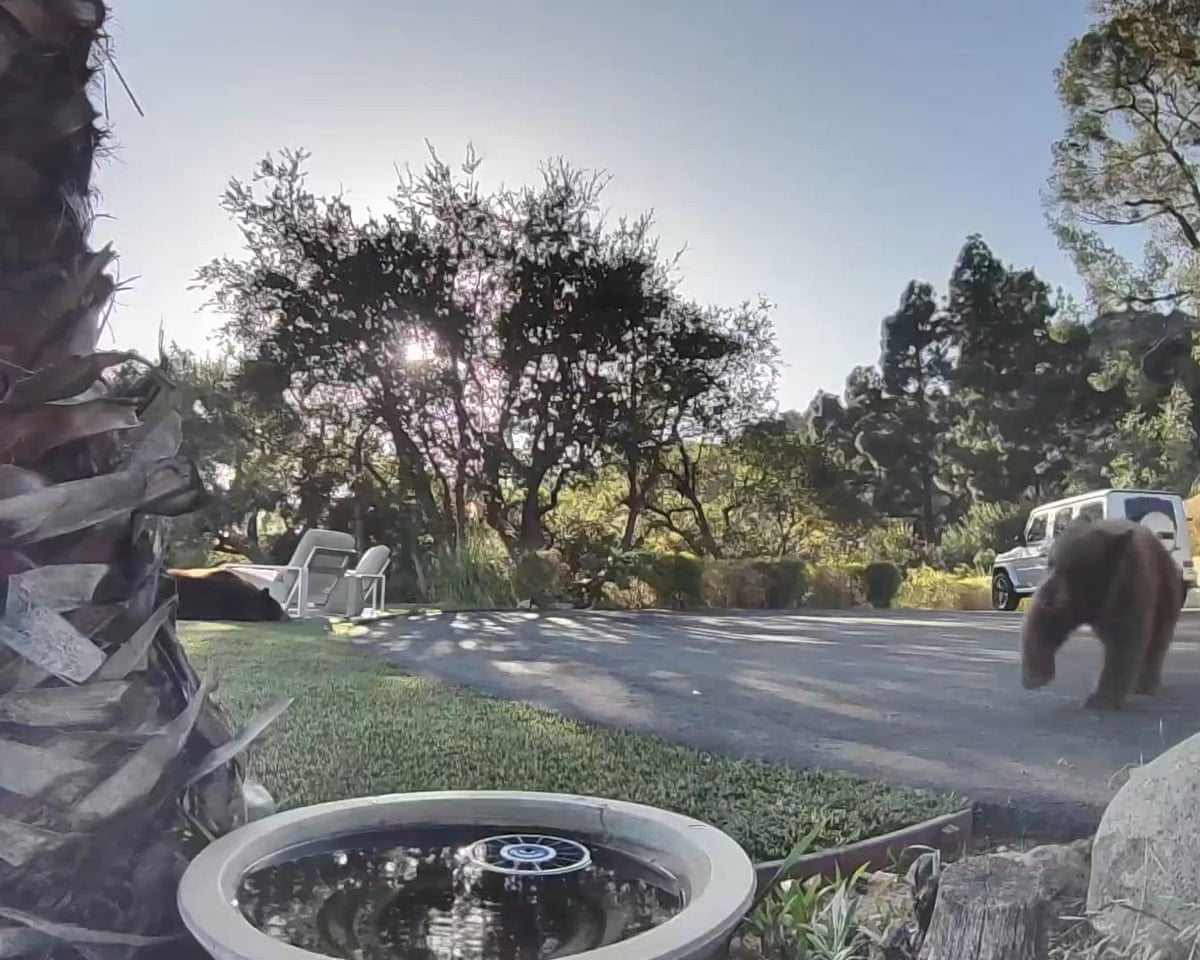
The proliferation of bear footage on social media, much of it captured by doorbell cameras that have become ubiquitous over the past decade, presents both opportunities and risks. Sherman acknowledges the dual nature of this phenomenon.
Bears are really cute, and a lot of the things they do are really cute … This is a real way to build meaningful empathy for wildlife, and building empathy for wildlife is a powerful motivator for conservation actions.
However, he cautions against romanticizing bears.
There is this risk of … kind of Disney-fying them. Black bears are by nature not particularly aggressive unless they are put in a dangerous or threatening situation, but they can cause damage. It's best to give them their space.The challenge lies in fostering genuine appreciation for bears while maintaining realistic expectations about their behavior and the need for safety precautions.
Recent Incidents and Community Response
The 2026 bear season has included several notable incidents beyond Blondie's case. In March 2026, a Monrovia woman was swiped by a black bear while walking her dog, an encounter that ultimately led to the euthanization decision. In May 2026, a large bear roaming the Pacoima neighborhood triggered school lockdowns before being tranquilized and released to suitable habitat, likely back in the Angeles National Forest.
Local authorities have responded by issuing guidance to residents about securing trash, removing food attractants and reducing access to sheltered spaces to prevent habituation and conflict. These measures reflect a growing recognition that coexistence requires active participation from both wildlife managers and residents.
What Lies Ahead
As September ends, bear encounters are expected to taper for the season as late-summer hyperphagia winds down. However, residents of Los Angeles and surrounding communities will face renewed encounters when bears emerge from hibernation in spring, alongside the mountain lions, deer and coyotes that inhabit the region's outskirts.
Sherman observes that many people moving to foothill neighborhoods underestimate what coexistence with wildlife actually entails.
When people move to these foothill neighborhoods, a lot of people are moving in because they think it's a suburb of LA. But they're not necessarily thinking they're going to have bears in their back yard. At first it can be really scary, but the people I've spoken to generally become accustomed to them.
Bears are super likable and this population of bears wouldn't be there if people didn't like bears so much.This observation underscores a fundamental paradox: the very qualities that make bears appealing to humans—their intelligence, adaptability and apparent gentleness—are the same traits that allow them to thrive in proximity to human settlements. The future of human-bear relations in Los Angeles depends on whether residents can maintain that affection while exercising the discipline necessary to keep both species safe.