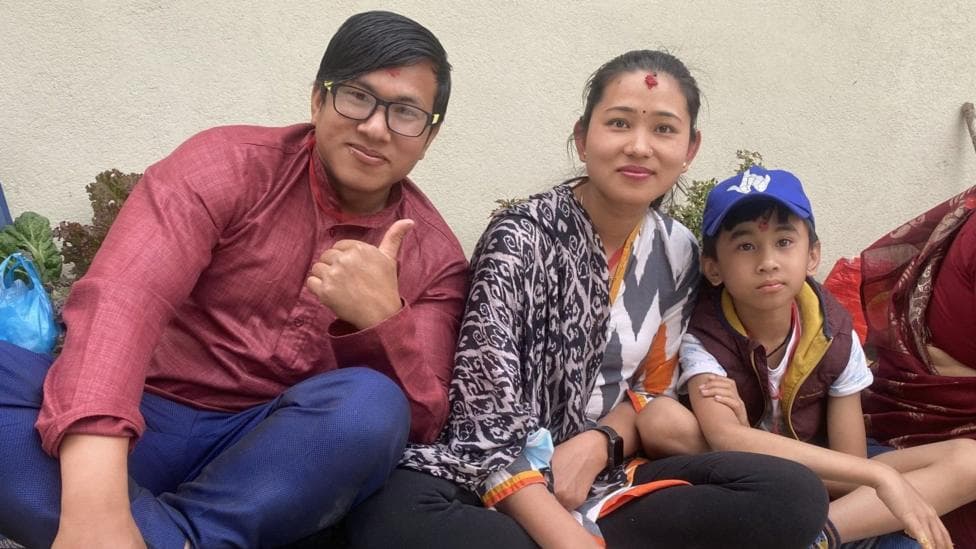
Jyoti Upadhyay, who relocated from Nepal to Tal-y-bont in Ceredigion five years ago, is struggling to find any information about Jit Bahadur Chaudhary, a hydropower station worker who went missing when a catastrophic flash flood struck Nepal last week. Chaudhary, who has lived with Upadhyay's mother-in-law for 25 years and is regarded as family despite no blood relation, was employed at the Trishuli 3B site when the disaster occurred. The massive flooding, triggered by a glacial collapse in the Himalayas, has left thousands unaccounted for across Nepal and the Tibet border region.
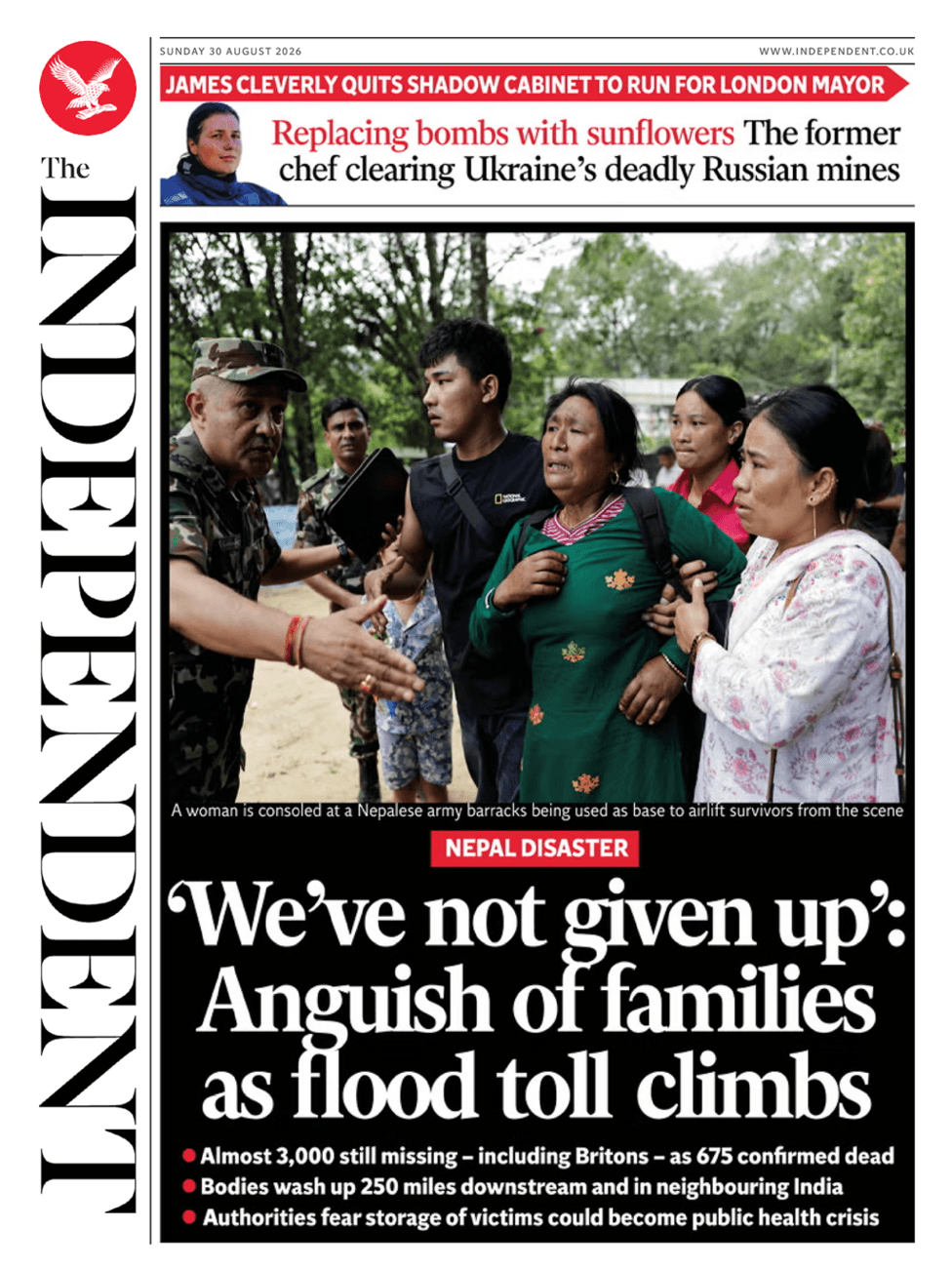
The scale of the disaster has grown as rescue operations continue. On Monday morning, 933 hydropower workers from sites across Nepal were reported missing, with a total of 4,247 people unaccounted for and at least 903 confirmed dead. According to reports from Nepal's disaster agency, the number of missing on the Nepalese side had risen to 2,498, while the combined missing toll across both countries reached 3,048. More than 3,700 people had been rescued in Nepal by Sunday, offering some hope amid the devastation.
Upadhyay's family has been unable to establish contact with Chaudhary since the flood struck.
To be honest, since Saturday we have lost hope,she said. Communication infrastructure in the region collapsed almost immediately after the disaster.
Within 20 minutes the connections were all down. The phone signals have not been working and that is why it has been so difficult to hear anything.The family waited three days before receiving any information, relying on news reports and local contacts to piece together what had happened.
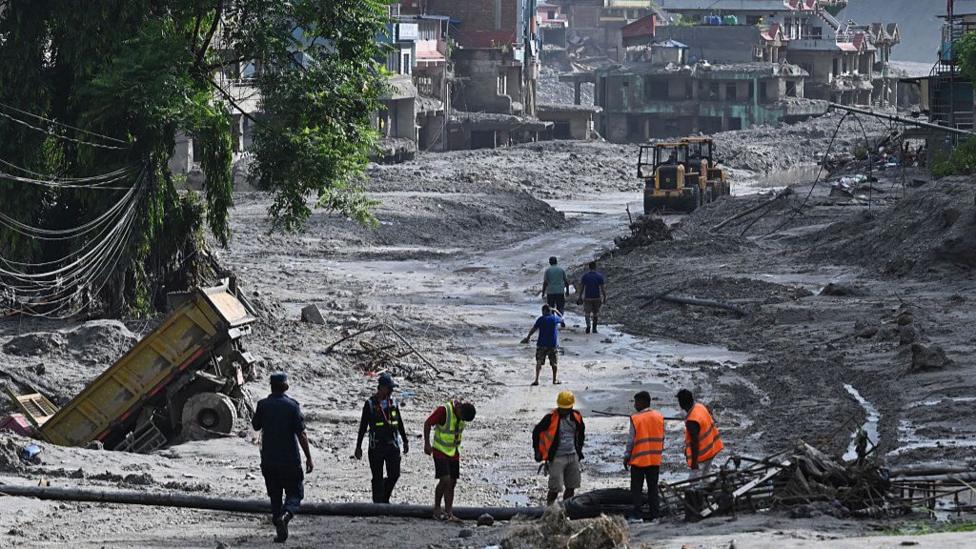
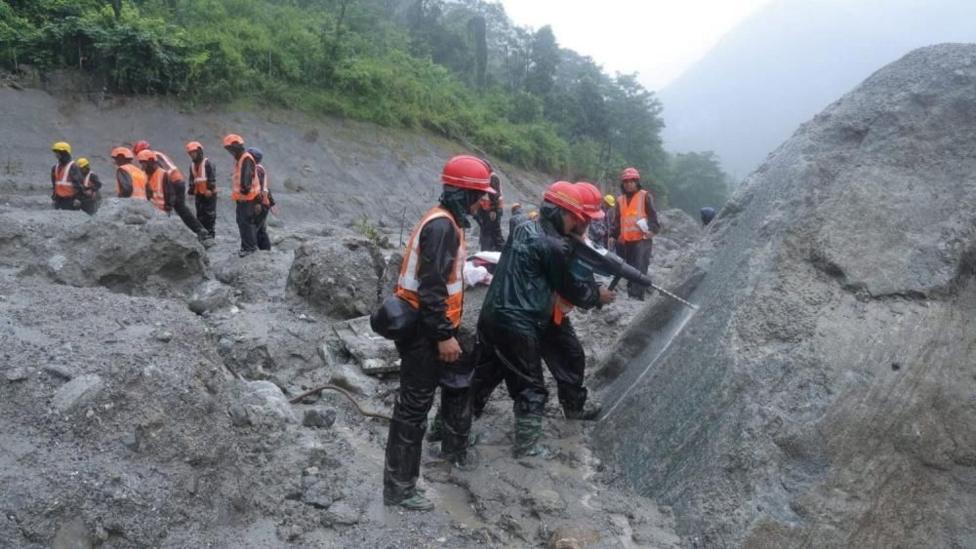
The Trishuli 3B site where Chaudhary was working remains largely inaccessible, buried under meters of mud and debris. Nepali authorities have been blasting into hillsides to attempt access, with a controlled explosion carried out at the hydropower site in the early hours of Monday.
It has been extremely difficult to reach the site. What we understand is that all the buildings are under meters of mud and it has been impossible to search for anyone there,Upadhyay explained to BBC Radio Cymru's Bwrw Golwg programme.
How are rescue teams attempting to reach trapped workers?
Helicopter access remains the only viable route to the site, but the terrain presents extraordinary challenges.
We know that the only way to reach the site is by helicopter. You need special skills to be able to drive a helicopter in that area. It is an extremely difficult place. We have been waiting for special machines to be able to work through the mud.According to rescue operations updates, teams have resumed drilling and tunnel access work after rain and rising river waters had slowed earlier efforts, with focus concentrated on the Trishuli 3A and 3B sites. Nepal's government has indicated that more than 100 workers may still be alive and trapped inside multiple tunnels at hydropower projects, providing a potential lifeline for those missing.

What caused the catastrophic flooding?
The disaster resulted from a glacial collapse in the Himalayas, where part of a glacier disintegrated with tremendous force. According to the US Geological Survey, the collapsed glacier struck the bottom of a valley with such power that it registered a tremor measuring 5.2 in magnitude. This impact triggered what the agency described as
subsequent catastrophic impacts downstream— powerful floodwaters and debris travelled approximately 62 miles (100 kilometres) downstream, devastating everything in their path. The flood damaged multiple hydropower plants along the river corridor, including Upper Trishuli-1, Trishuli-3A and the Trishuli-3B substation, with flood damage cutting nearly 200 megawatts of power from Nepal's national grid, and the Trishuli 3B Hub Substation reported completely swept away.
Why were so many people in the affected area?
The region attracts both workers and visitors for multiple reasons. Upadhyay noted that
the area is important for pilgrimage to many religions,meaning tourists and pilgrims were present alongside hydropower workers when the flood struck. The hydropower installations themselves employ hundreds of workers, making the sites particularly vulnerable when disaster strikes. The combination of industrial activity and religious tourism created a concentration of people in an area that, while accustomed to natural hazards, had never experienced flooding of this magnitude.
What are the broader concerns about future disasters?
Upadhyay emphasised that while Nepal experiences earthquakes regularly, this flood exceeded anything previously recorded in scale.
In Nepal, we know that earthquakes can happen [but] this is worse than what has happened before,she said. The primary long-term concern centres on climate change and its effects on the Himalayan region.
The main concern was rising temperatures causing more cases of glaciers melting and collapsing.As global temperatures continue to rise, the risk of similar glacial collapses triggering catastrophic downstream flooding appears likely to increase, threatening both the hydropower infrastructure that Nepal depends on and the communities living downstream.
The disaster has affected families across multiple countries. Survivors have recounted the moment their loved ones were swept away by torrents of mud, while a man from East Sussex flew to Nepal to search for his wife, parents, brother and uncle missing since the floods. An Aberdeen resident lost three family members in the disaster, while 35 Australians remain missing, including a Sydney family of four on a religious pilgrimage.
What happens next in the rescue operation?
Search and rescue operations are continuing with intensified focus on tunnel access and heavy machinery to clear mud from the hydropower sites. The next critical phase involves further recovery and extraction efforts, with authorities racing against time to reach workers believed trapped alive in the tunnels. Teams will continue drilling and using specialised equipment to penetrate the mud and debris blocking access to the Trishuli 3A and 3B installations, where the highest concentration of missing workers is located.
Key Facts
- A glacial collapse in the Himalayas triggered a 5.2 magnitude tremor and sent floodwaters travelling 62 miles downstream, killing at least 903 people with 4,247 unaccounted for
- Jit Bahadur Chaudhary, a hydropower worker at Trishuli 3B, remains missing; his family in Wales has been unable to establish contact since the disaster
- More than 100 workers are believed trapped alive in tunnels at hydropower projects, offering hope for survivors
- Rescue teams are using drilling and helicopter access to reach the Trishuli 3A and 3B sites, which remain buried under meters of mud
- Rising temperatures and glacial melting in the Himalayas pose an ongoing threat of similar catastrophic flooding events