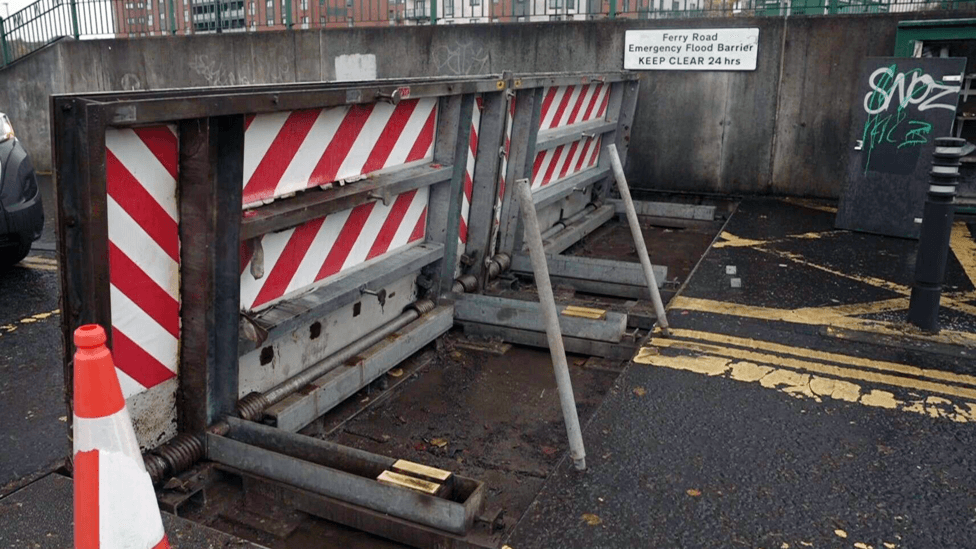
Renfrewshire Council will undertake a comprehensive review of its flood prevention systems after failing to activate flood barriers during Storm Boelo, which struck Scotland between 24 and 26 October. According to BBC News, a council report revealed that forecasts had significantly underestimated tidal levels on the River Clyde, resulting in no flood warning being issued and the multi-million pound defence scheme remaining dormant. The decision has prompted criticism from local business owners whose premises sustained serious damage.
The review will be conducted in partnership with the Scottish Environment Protection Agency (Sepa) and other stakeholders to establish why actual water levels differed so substantially from predictions. The council aims to identify improvements to forecasting arrangements, warning systems, operational protocols and broader flood resilience measures. According to STV News, the council has already temporarily lowered the threshold for sending teams to assess conditions and deploy barriers if necessary.
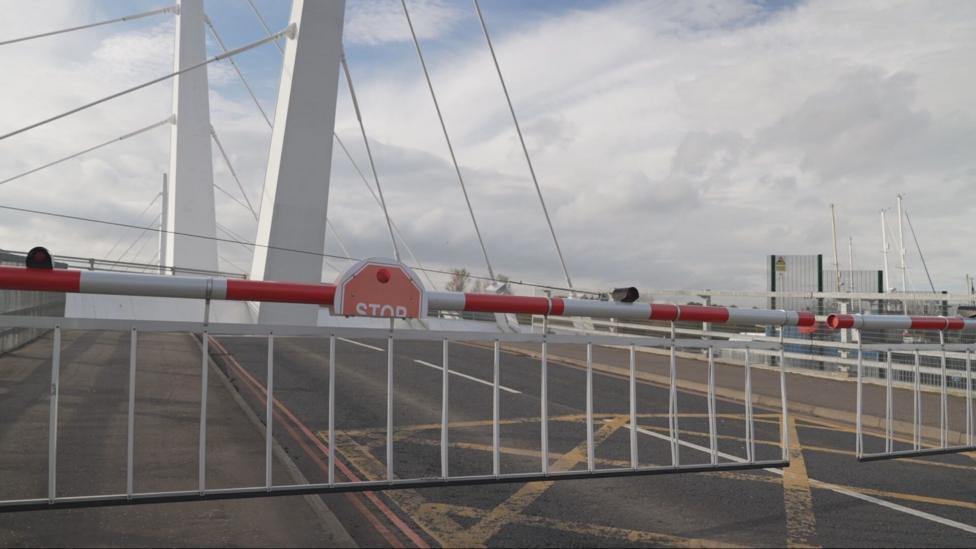
Storm Boelo caused widespread disruption across Scotland. BBC News reported that the southern plant room controlling the Renfrew Bridge sustained extensive damage, rendering the swing bridge inoperable and forcing its closure to road users for an expected period of months. The bridge, which opened in May 2025, remains within its two-year defects period, and both the contractor and the council's insurers are investigating whether a defect allowed water ingress.
Why were the barriers not activated?
The evening tide on 26 October was recorded at 4.49 metres (14.72 feet) – the highest level since digital records began at that location in 1998. This figure was approximately double the projected forecast of 2.2 to 2.42 metres (7.21 to 7.93 feet). However, both the actual and forecast levels fell below the council's established threshold of 3.9 metres (12.8 feet) for raising the barriers. The forecast also remained below the 3.6 metre (11.8 foot) threshold that would have prompted council staff to attend the barriers in person to assess the situation.
The council report confirmed that the decision not to deploy the barriers followed an established process developed through operational experience, historical events and flood risk assessments. Gordon McNeil, the council's director of environment, housing and infrastructure, stated:
While the report shows in some detail that officers followed the established procedures correctly... it is important we work with our partners to understand why the forecasting was significantly different from what we subsequently experienced.He added that the local authority would consider whether a more prudent approach might be necessary going forward.
How many businesses were affected?
The council confirmed that 13 businesses in the Renfrew area suffered water ingress, though 10 have since resumed operations. The local authority stated it had offered support to every business it had been able to contact. Eight of the affected businesses were located on the riverside side of the barriers on Ferry Road. According to The Herald Scotland, eight of the 13 affected businesses were on Ferry Road and would have flooded even if the barriers had been raised, suggesting the defences would not have prevented all damage in this instance.
Local business owners have publicly criticised the council's handling of the situation, expressing frustration over the damage sustained to their premises. The flooding occurred despite the existence of a substantial flood prevention infrastructure in the area.
What is the North Renfrew Flood Prevention Scheme?
The North Renfrew Flood Prevention Scheme was introduced in 2016 at a cost of approximately £10 million to reduce flood risk to homes, businesses and infrastructure in the area. The scheme comprises three main components: a pumping station at Mill Burn on Fingal Road, which was operational during Storm Boelo; a 1 kilometre-long embankment standing 2.3 metres (7.5 feet) high; and two barriers built into Ferry Road and Fishers Road. Since its completion, the scheme has faced 45 amber or red weather alerts without the barrier-activation threshold being met, according to STV News.
What about the bridge damage?
The Renfrew Bridge, which cost £117 million and opened in May 2025, suffered damage to its southern plant room during the storm. The council has clarified that this damage is unrelated to whether the flood barriers were deployed, as the plant room lies outside the area protected by the defences. Both the contractor and the council's insurers are investigating whether a defect contributed to water entering the electrical systems. The bridge remains within its two-year defects period, a standard warranty phase for major infrastructure projects. No reopening date has been announced, though repairs are expected to take several months.
What happens next?
Councillors are scheduled to consider the report on Wednesday, 4 November, with the joint review examining whether barrier thresholds and other operational procedures should be modified. The review will also assess whether raising the barriers more frequently as a precautionary measure could cause disruption to the local community. The threshold for sending council staff to assess the barriers during adverse weather has been temporarily reduced while the comprehensive review is carried out.