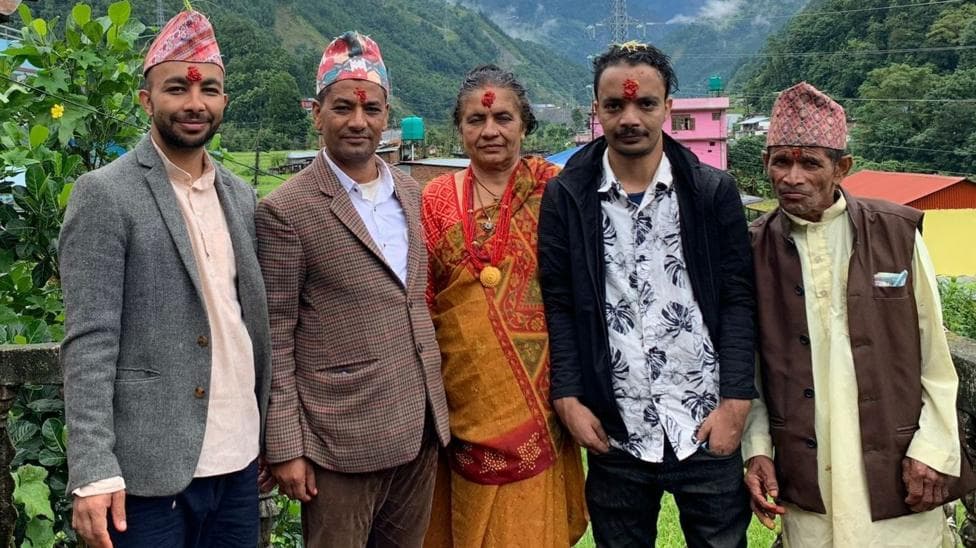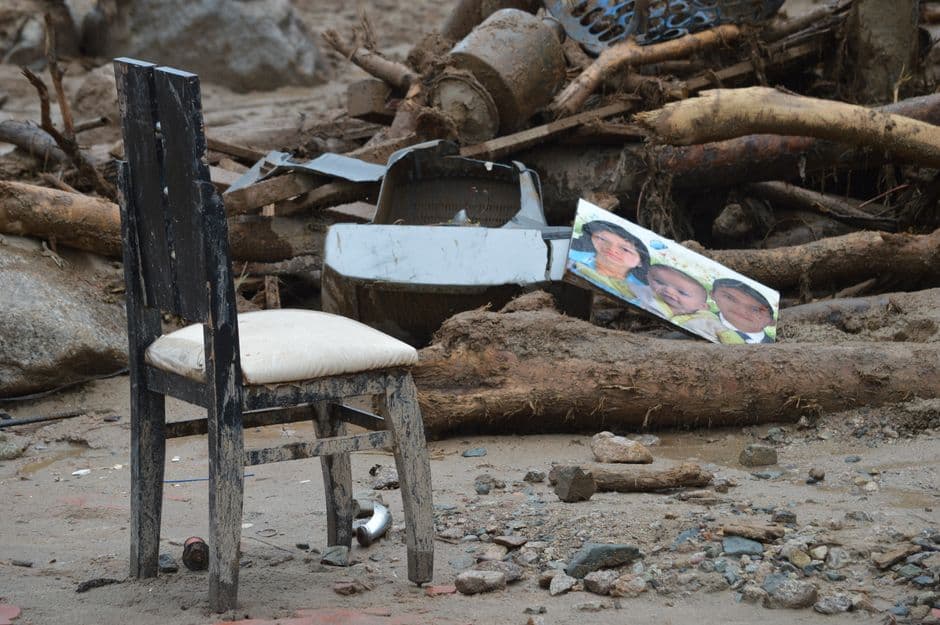
Barun Lamichhane, a 26-year-old living in Aberdeen, has described the moment he learned that his brother, uncle and cousin had perished in catastrophic flash floods that devastated the Nepal-Tibet border region on Wednesday. His mother, father and grandmother managed to escape the disaster, though his entire village was destroyed. The death toll from the flooding has risen significantly, with reporting at least 165 dead and approximately 1,500 people missing across Nepal and China.
Lamichhane is from Betrawati, one of the villages most severely affected by the disaster. He recounted receiving the devastating news from his sister while he was asleep.
"I was sleeping and my sister woke me up and said 'in our village there is nothing - like everything is gone'," he said. "At that time, I'm just a blank, I can't even think. They are saying that our home, everything, is gone. Nothing is left."
His family members were scattered across different locations when the flood struck. His mother, Tulasha Lamichhane, his father, Netra Prasad Lamichhane, and his grandmother, Krishna Kumari Lamichhane, all survived by taking refuge on higher ground.
"They managed to get away by crawling like a baby into the hillside,"Lamichhane explained. The three family members are now sheltering in a school being used as a refuge centre for survivors.
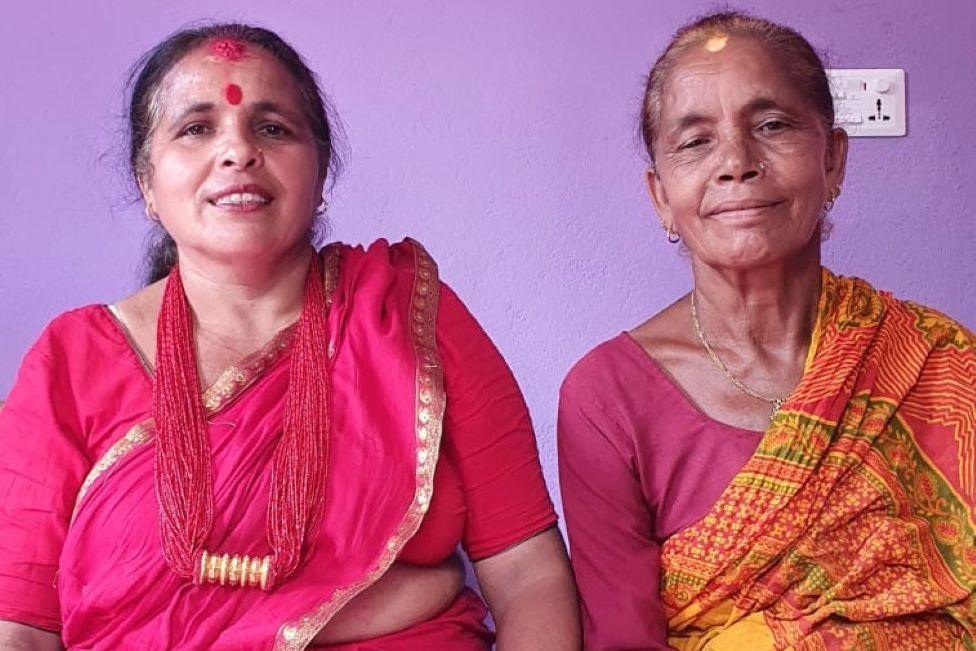
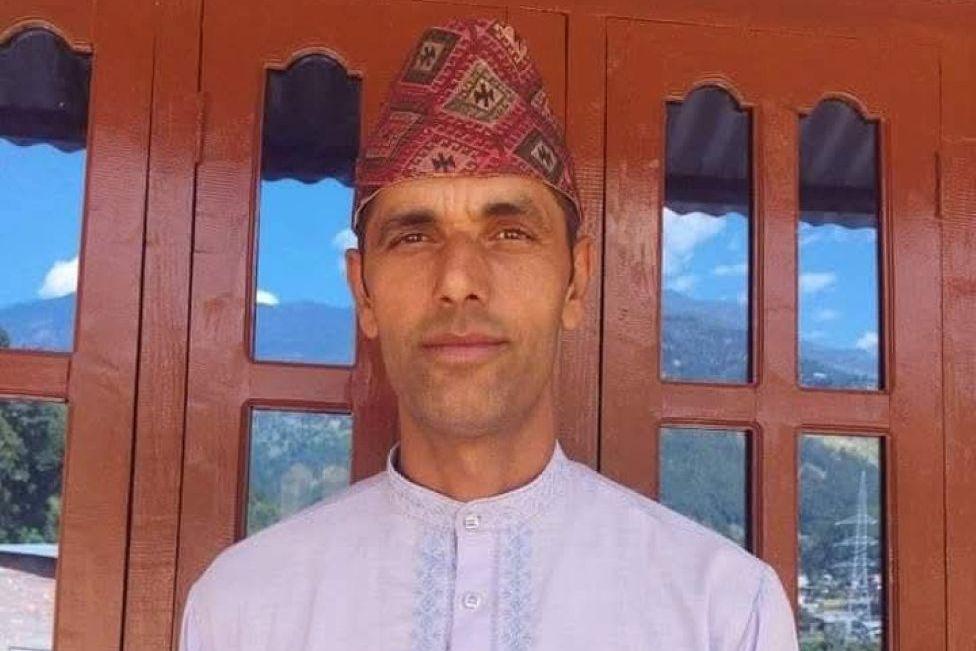
Lamichhane expressed his anguish at the scale of loss extending beyond his immediate family.
"Luckily they are alive,"he said of his surviving relatives, but added that he fears many more friends and neighbours from his village also perished in the disaster.
"I can't express the pain I am feeling,"he said.

What caused the flooding?
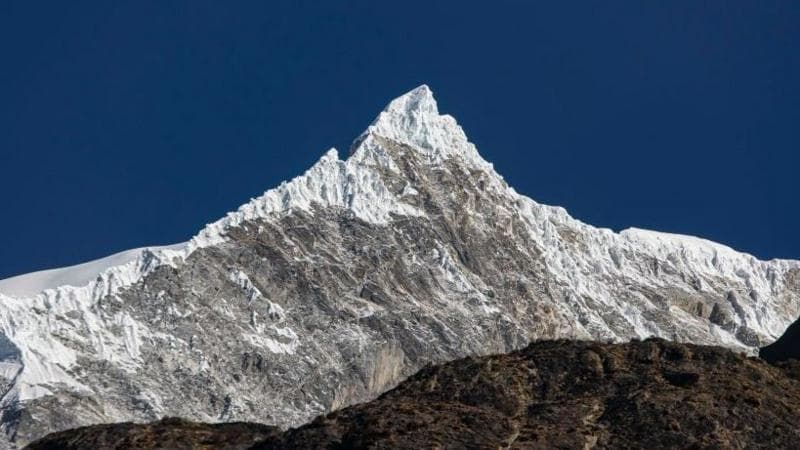
Initial reports suggested the disaster had been triggered by an earthquake, but the US Geological Survey later revised its assessment. However, experts now believe the flood may have resulted from a different natural phenomenon. According to , the flood may have been triggered by a glacier collapse or ice-rock avalanche rather than an earthquake, based on satellite imagery and expert review. Nepal's National Disaster Risk Reduction and Management Authority described the event as a "glacier-inclusive flood" in the Lhende River area, where a wall of mud and rock collapsed into a Himalayan river near the Nepal-China border, destroying villages and infrastructure on both sides.
How many people are affected?
The scale of the humanitarian crisis extends far beyond Nepal's borders. reported that Nepal's tourism ministry told media outlets more than 400 tourists were missing, including around 340 foreigners. Thirty-three people from the United Kingdom are among the hundreds unaccounted for, including a 13-year-old girl and a 14-year-old boy. China's state media reported at least three deaths in Tibet's Gyirong county, with hundreds still missing there as well.
Rescue operations have mobilised significant resources. Rescue teams have deployed more than 5,000 army and police personnel, and 125 people had been rescued by Thursday, including 20 foreigners. Among those rescued were tourists from multiple nations: CNN reported that 31 tourists had been rescued from the Rasuwa flood-affected area, including citizens of the United States, India, South Korea, Italy, Russia, Bulgaria and Switzerland.
What is the international response?
The UK government has pledged support to Nepal in the aftermath of the disaster. Prime Minister Andy Burnham announced that the UK had offered £5 million to assist the Nepalese government, describing the situation as
"very distressing and devastating."The UK Foreign Office stated it was working closely with Nepalese authorities following concerning reports of British nationals who are missing, and has encouraged British citizens to follow local guidance and remain alert to the changing situation.
What happens next?
Search and rescue operations are continuing across the border region, with authorities warning that the death toll is likely to rise further as recovery efforts progress. Officials are still working to locate nearly 1,500 missing people across Nepal and China, and the full extent of the disaster may not be known for some time as remote areas remain difficult to access.
Key Facts
- At least 165 people have died in Nepal and China, with approximately 1,500 missing across both countries
- The flood was likely triggered by a glacier collapse or ice-rock avalanche in the Lhende River area near the Nepal-Tibet border
- More than 400 tourists are missing, including around 340 foreign nationals, with 33 British citizens among those unaccounted for
- More than 5,000 army and police personnel have been mobilised for rescue operations, with 125 people rescued by Thursday
- The UK has pledged £5 million in aid to Nepal to support recovery efforts