A specialist team from the United Kingdom is undertaking a 9,000-mile expedition to Antarctica to safeguard Port Lockroy, a historic British science base facing mounting threats from climate change and environmental deterioration.
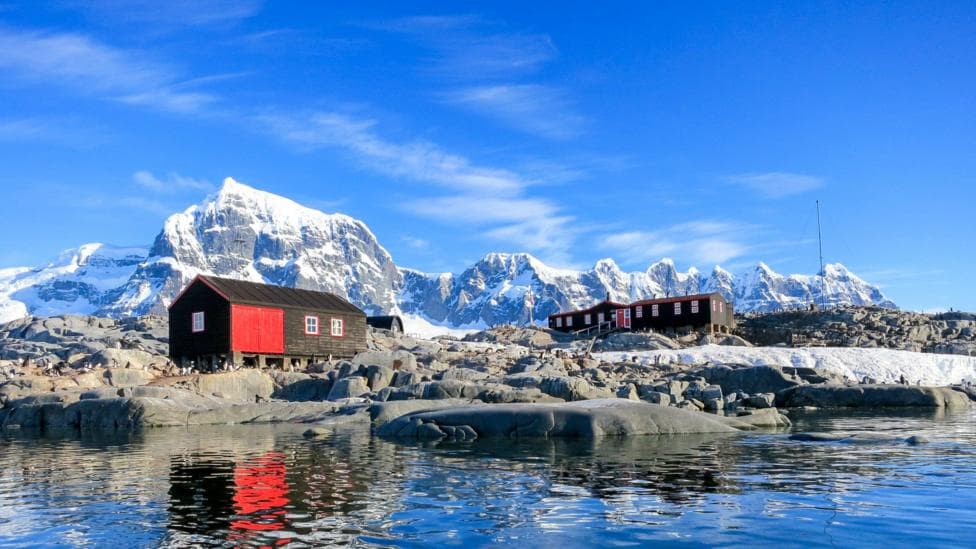
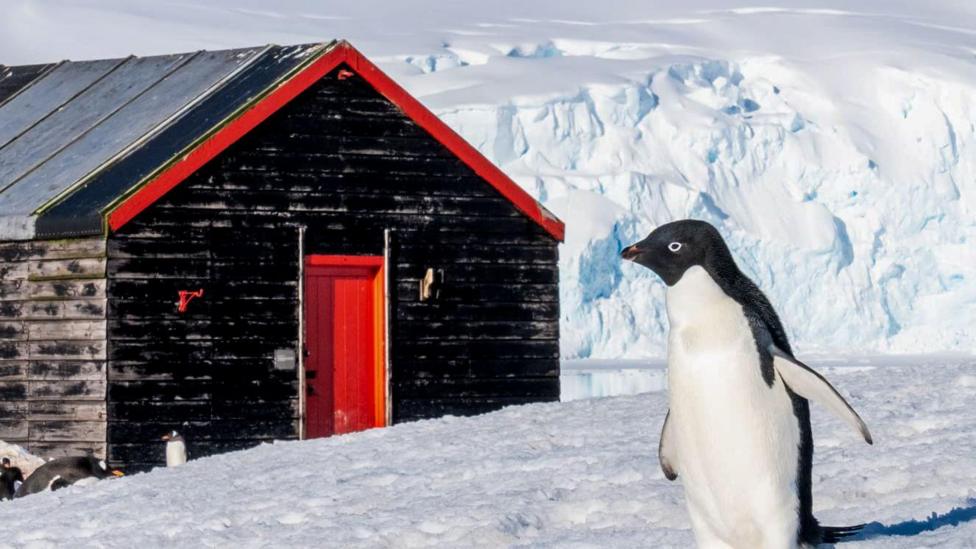
The UK Antarctic Heritage Trust (UKAHT), a Cambridge-based charity, is in its second year of a three-year conservation initiative focused on Port Lockroy. The site, located on Goudier Island, is home to the world's southernmost Post Office, a museum, and a thriving colony of more than 1,000 gentoo penguins. The base was originally established in 1944 as part of the wartime mission Operation Tabarin, and UKAHT has managed the site since 2006.
This season's team will focus on structural reinforcement by installing beams and props to help buildings resist increased precipitation and snow loading, while simultaneously monitoring the penguin population. The site, now more than 80 years old, faces accelerating deterioration driven by rising temperatures and severe weather patterns on the rapidly warming Antarctic Peninsula.
Structural assessments have identified serious weaknesses that require urgent intervention. According to UKAHT's conservation plan, rot has developed in exterior floor joists and structural timbers, exacerbated by moisture and inadequate drainage. A heavy artefact known as "the Beastie," weighing more than half a tonne, adds additional load to the affected floor, compounding the structural challenges.
Last year's team completed initial site preparation, setting the stage for what UKAHT has described as the charity's "biggest ever conservation season" at Port Lockroy. The current work builds on that foundation, with teams tackling the most critical repairs needed to preserve the buildings.
Who is heading to Antarctica?
Eight team members will spend five months at Base A on Goudier Island, while a separate field team of six specialists will travel further south to conduct the first comprehensive survey of Wordie House, another British heritage site where one of the continent's longest continuous climate records began in 1947.
The Port Lockroy team will be led by Carole McCullough, a former RAF officer.
"I applied for the role looking for a bit of an adventure, and Antarctica is the ultimate adventure. The teamwork, the bonding, the appreciation of the place - it's all going to make for the most wonderful experience,"she said. The team includes conservation carpenters, museum specialists, and mountain rescue experts.
The Wordie House field team brings diverse expertise to the mission. According to reporting on the expedition, the group includes travel medic and former Port Lockroy base leader Lisa Ford, conservation carpenter Sven Habermann, artefacts conservator Sophie Rowe, XR producer Lesley Johnston and conservation engineer Maggie Cook.
What conditions will the team face?
The team will endure extreme conditions while working on Goudier Island, including sub-zero temperatures, 24-hour daylight during the Antarctic summer, and the absence of running water. These challenging circumstances demand both physical resilience and psychological preparation from all team members.
Postmaster George Clarke, who will spend his third season at Port Lockroy, reflected on the experience:
"I've really fallen in love with the Antarctic wilderness."His return demonstrates the commitment required to maintain operations at such a remote location.
What work will be completed this season?
The conservation efforts extend beyond structural repairs. The team will conduct detailed penguin monitoring, counting nests, eggs and chicks as part of an ongoing study to protect the colony. This scientific work complements the physical restoration of the buildings.
Recent work has already yielded significant progress. According to UKAHT's 2025/26 conservation recap, the team installed four windows in Bransfield House, painted the Boatshed, and added interpretation signs, with two additional windows ready for installation in the next season. The charity has also made substantial advances in sustainability: UKAHT reported that 99.6% of Port Lockroy's power came from solar during the 2025/26 season, after the team installed eight batteries weighing 63.5kg each.
Why is Port Lockroy significant?
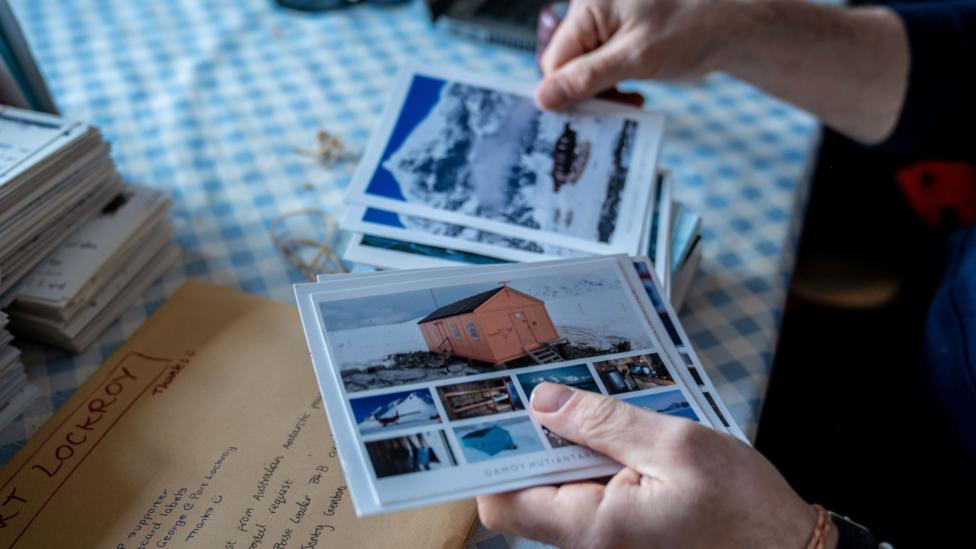
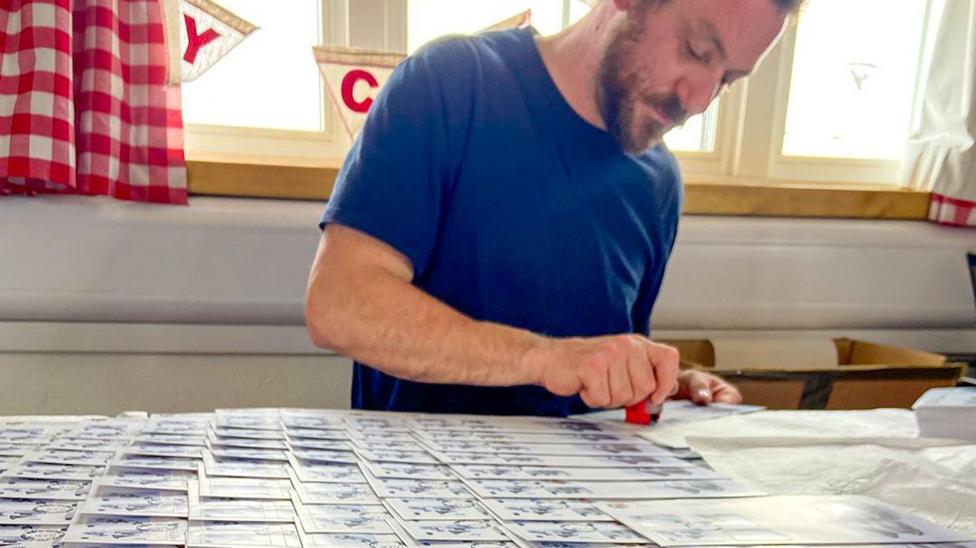
Port Lockroy attracts thousands of cruise ship passengers annually, who visit the remote Post Office to send messages home. The site functions as both a working museum and operational research station, making it unique in the Antarctic landscape. Its cultural and scientific value extends beyond its physical structures to encompass the historical record it maintains and the wildlife it protects.
Camilla Nichol, UKAHT's chief executive officer, emphasised the urgency of the mission:
"With the demanding conservation season ahead at Port Lockroy and beyond to Wordie House, we have selected a team who bring specialist knowledge and understanding of the Antarctic environment, as well as some much needed enthusiasm and resilience. This is a huge year for us as we meet the growing challenges of climate change. Since Wordie House's records began in 1947, the Antarctic Peninsula has become one of the fastest-warming places on the planet and we see the impact every year on the wildlife and special places in our care."
What happens next?
The conservation work will continue beyond this season. UKAHT's 2026/27 team is scheduled to be on site from November 2026 to March 2027, with the conservation carpenter role specifying structural repairs and maintenance at Port Lockroy during January–March 2027. The multi-year approach reflects the scale of the challenge posed by climate change to Antarctic heritage sites.
The mission represents a critical effort to preserve not only the physical structures at Port Lockroy but also the scientific records and natural heritage they protect. As temperatures continue to rise across the Antarctic Peninsula, the work undertaken by these teams becomes increasingly vital to safeguarding this unique corner of human history and natural environment.