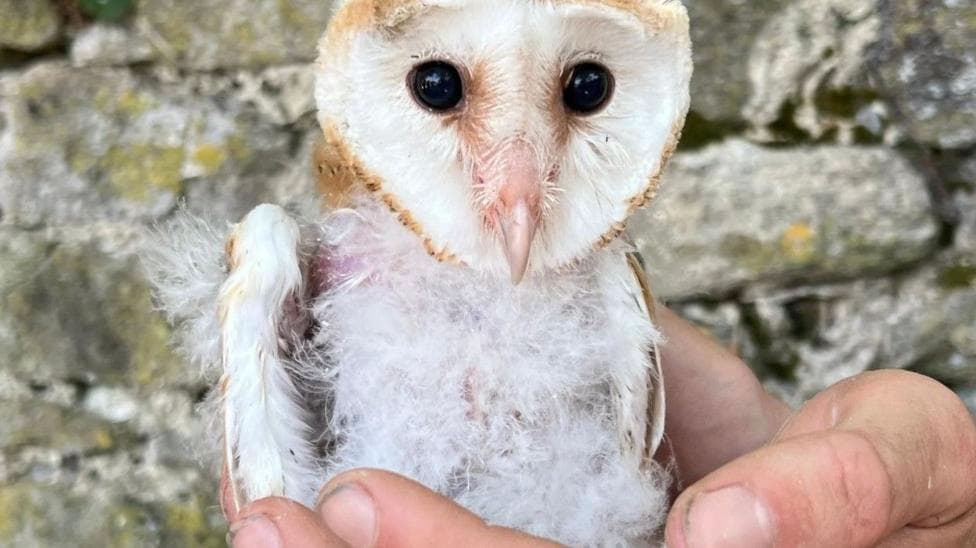
Barn owl chicks have been ringed in Purbeck for the first time in a conservation initiative designed to track their movements and evaluate whether the area's nature-friendly farming practices are supporting population recovery.
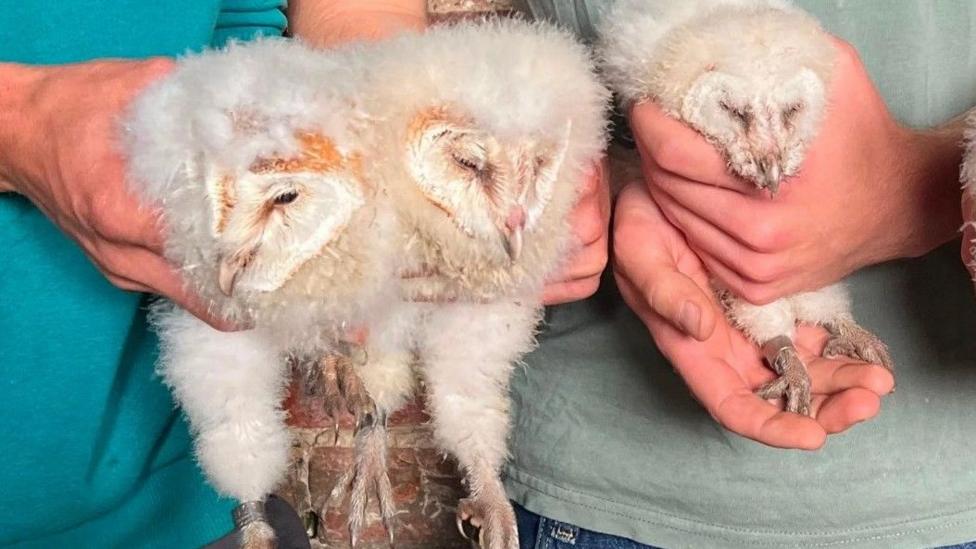
A total of 15 chicks and one adult owl were ringed at nest sites across three farmland locations through a collaborative effort involving Birds of Poole Harbour, Carey Ringing Station and the National Trust. The monitoring aims to build a long-term picture of the owls' survival, breeding success, movements and mortality rates, according to local reporting.
Mark Singleton, Purbeck's National Trust countryside manager, described the initiative as groundbreaking for the region.
This is an exciting project and a first for us in Purbeck. Although barn owl numbers have fallen significantly over the past century, there are encouraging signs they may be recovering locally.He noted that chick numbers had rebounded nationally after a poor UK breeding season the previous year, with Purbeck following the same trend.
How does wildlife-friendly farming support barn owls?
National Trust tenant farmers are managing their land to benefit wildlife by maintaining areas of longer grass, preserving hedgerows and retaining patches of scrub. These habitats are essential because they support the voles and other small mammals that barn owls depend on for food. Singleton explained that by monitoring ringed birds over many years, the partnership will be able to assess how effective these conservation measures are and make continuous improvements to their approach.
The loss of rough grassland has been identified as a significant threat to barn owl populations. According to conservation research, rough grassland loss reduces both prey availability and hunting habitat for these birds, while more than half of barn owl chicks die in their first year.
Why is ringing important for understanding barn owl populations?
Ringing provides invaluable scientific data about these birds that cannot be obtained from observations alone, according to Kate Fox, a licenced bird ringer and ornithologist from Carey Ringing Station.
Barn owls are striking birds, but it's very difficult to tell individuals apart. If birds move to a different nest box, we won't know whether it's a new pair or birds we've recorded elsewhere unless they have been ringed.This identification challenge makes ringing essential for tracking individual birds and understanding their behaviour and survival.
What safety measures protect the owls during ringing?
The ringing work was carried out under a special licence and follows strict guidance from the British Trust for Ornithology. Barn owls are classified as a Schedule 1 breeding species, which means it is illegal to disturb them during the breeding season without a licence. Beyond the ringing process itself, the National Trust is introducing escape rafts on Purbeck cattle troughs to reduce the risk of owls drowning after becoming trapped, according to recent reports.
What is the history of barn owl nest boxes in the area?
Nest boxes installed at Ridge, Swineham and Greenlands Farm between 2015 and 2016 are now all in use, demonstrating the success of earlier conservation efforts in the region. These three sites formed the focus of the initial ringing project.
What happens next?
The project is designed to run annually, with the team planning to install and monitor additional nest boxes in the coming year. This expansion will allow the partnership to gather data from a larger population of birds and gain a more comprehensive understanding of how conservation-focused farming practices influence barn owl recovery in Purbeck.
Key Facts
- Fifteen barn owl chicks and one adult were ringed across three farmland sites in Purbeck in the first ringing project of its kind in the area
- The initiative is a partnership between Birds of Poole Harbour, Carey Ringing Station and the National Trust, with work carried out under special licence following British Trust for Ornithology guidelines
- More than half of barn owl chicks die in their first year, and habitat loss through rough grassland conversion threatens both their prey and hunting grounds
- The project will monitor survival rates, breeding success, movements and mortality to assess the effectiveness of wildlife-friendly farming practices
- Additional nest boxes are planned for installation next year as the project expands