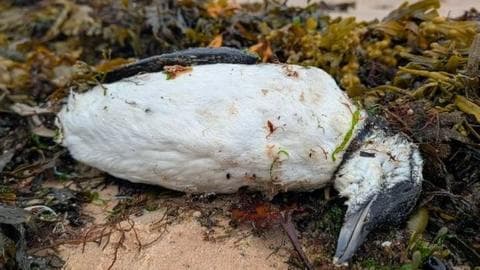
Dozens of seabirds have washed up dead or dying on a beach in Orkney, with most identified as guillemots—birds that typically spend the majority of their adult lives at sea. The discovery at Scapa highlights the challenges young seabirds face during their early months, when inexperience in finding food and navigating harsh weather conditions can prove fatal.
Naturalist Martin Gray examined 24 of the birds that had accumulated at the west end of Scapa Flow beach and found all of them severely emaciated. The muscle mass in their wings and legs had wasted away entirely—a sign of prolonged starvation. Guillemots normally develop powerful wing muscles for flight and diving, yet in these specimens, those muscles had vanished along with their leg muscles.
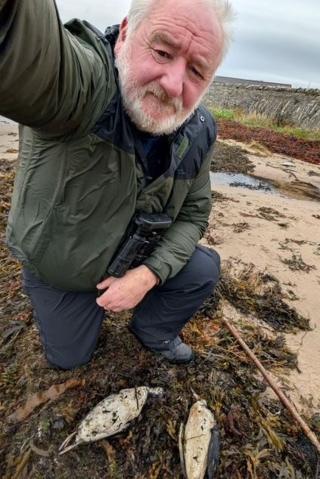
Gray explained that the young birds likely lacked the experience to locate food or withstand difficult weather.
It's very sad, but we don't see the birds that do make it so we have to hope there hundreds out there feeding happily.He noted that he had inspected only a sample of the dozens of birds discovered dead, and that southerly winds would have driven them ashore from the sea.
While Gray could not definitively establish why the birds had failed to feed, he ruled out any
sinistercause. Instead, he characterised the deaths as a consequence of the harsh realities young seabirds encounter.
The best way I can describe this is it's just tough being a young seabird. They have the weather and the seas to face every day,he told BBC Radio Scotland's Around Orkney programme.
These young birds have simply died of inexperience. They didn't have the nous to be able to overcome a tough spell of weather.
Part of a wider pattern
This incident in Orkney appears connected to a broader seabird crisis unfolding across the Atlantic. According to the RSPB, a major seabird wreck began in late January 2026, involving thousands of puffins, guillemots and razorbills along British and European Atlantic coastlines. The scale of this event echoes the last comparable crisis: the 2013–14 wreck saw more than 54,000 seabirds recorded dead across European Atlantic coastlines, with monitored colonies experiencing adult guillemot mortality rates that doubled.
In a separate investigation of seabird deaths across northeast Scotland, Orkney and Shetland, more than 100 puffins were found over three weeks, with some Orkney birds being adults—a finding that raises concern about effects on next year's breeding numbers. Researchers have tested more than 100 guillemots and razorbills and found them negative for avian flu, shifting focus to other potential causes. Investigators are examining food-supply failure and algal toxins, with results not expected until early the following year.
What pressures do seabirds face?
Seabirds in Scottish waters face mounting challenges from multiple sources. Climate change and fluctuations in the abundance and quality of prey species represent the primary pressures on seabird populations, according to Scotland's Marine Assessment. Additional threats include bycatch in fishing gear, pollution, and invasive predators—all of which combine to make survival increasingly difficult for both young and adult birds.
The deaths observed in Orkney underscore how vulnerable young seabirds are during their first months at sea, when they must rapidly develop the skills needed to hunt, navigate storms, and avoid predators. For many, that learning curve proves too steep.