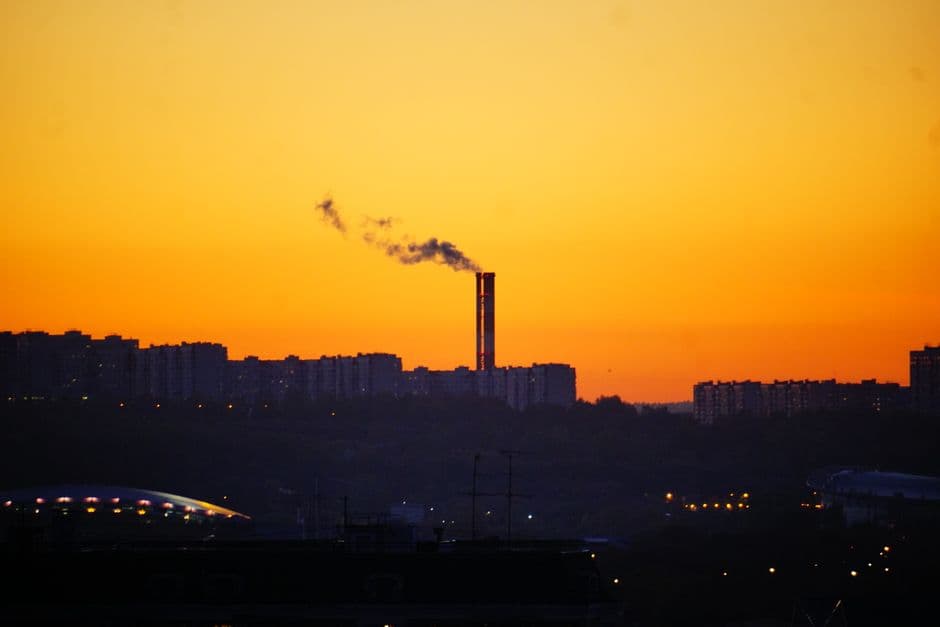
A dense orange haze has settled over Palangka Raya in Indonesia's Kalimantan region, with eyewitnesses documenting the phenomenon through video footage showing the smog advancing across the landscape near active wildfire zones.
The air pollution index, measured using the ISPU scale by Indonesia's national environment ministry, climbed to 1,200 on Wednesday—a reading that represents a fourfold exceedance of the 300 threshold officially designated as hazardous to human health.
What is causing the severe air pollution?
The toxic haze affecting millions of residents across Indonesia, Singapore and Malaysia stems from multiple sources, with authorities identifying the agricultural practice of slash-and-burn land clearing as a significant contributor to the worsening air quality. This method, which involves burning vegetation to prepare land for farming, has intensified the already severe smog conditions driven by ongoing wildfires in the region.
Who is affected by the pollution?
The air quality crisis extends beyond Indonesia's borders, with neighbouring Singapore and Malaysia also experiencing the effects of the transboundary pollution. Millions of people across these three nations face exposure to toxic smog that poses serious health risks.
Key Facts
- The ISPU air pollution index reached 1,200 in Palangka Raya on Wednesday
- This level is four times higher than the hazardous threshold of 300
- Slash-and-burn agricultural clearing practices are partly responsible for compounding the haze
- The pollution affects populations across Indonesia, Singapore and Malaysia