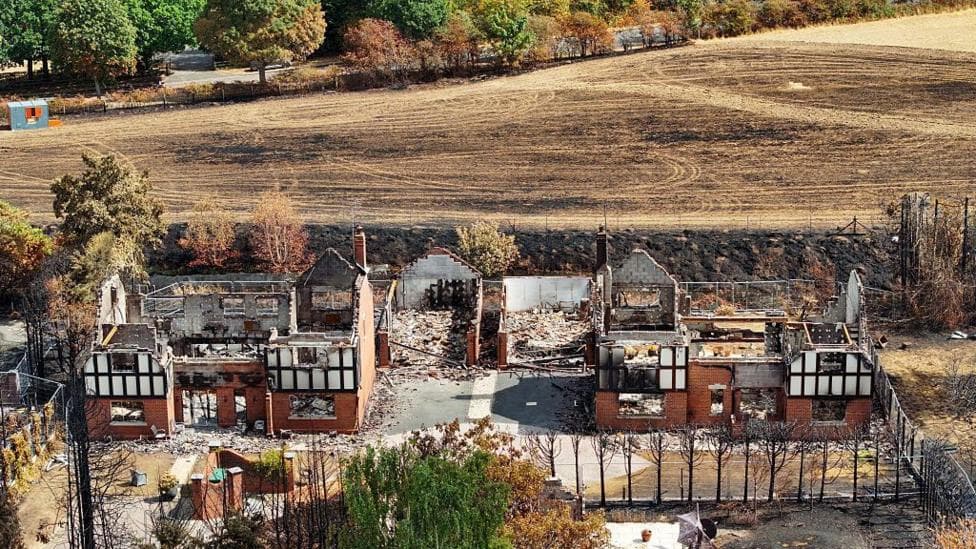
During the summer of 2026, the Midlands experienced a cascade of extreme weather events that brought the reality of climate change into sharp focus for many residents. Nineteen homes were destroyed in a major fire that broke out in Stourbridge, while wildfires swept across the region with unprecedented frequency and intensity.
For a quarter-century, climate scientists and environmental reporters have documented the mounting impacts of climate change on the region—floods alternating with droughts, intensifying heatwaves, and shifting weather patterns. Yet this year marked a turning point where abstract warnings transformed into visible, tangible destruction affecting communities directly.
The sequence of weather extremes in 2026 created conditions ripe for disaster. A winter of relentless rainfall gave way abruptly to drought conditions, followed by successive waves of extreme heat. As temperatures soared, the landscape dried out completely, leaving vegetation brittle and primed to ignite at the smallest spark.
According to the National Fire Chiefs Council, 1,132 wildfires were recorded across England and Wales in 2026 so far—a record high for that period. The Midlands bore a significant share of this devastation.
What happened to the landscape after the fires?
The fires left behind blackened earth and ecological damage that will take years to reverse. On Cannock Chase, rangers from Staffordshire County Council documented the aftermath: scorched soil, dead adders, and charred eggs from ground-nesting birds scattered across the burnt terrain.
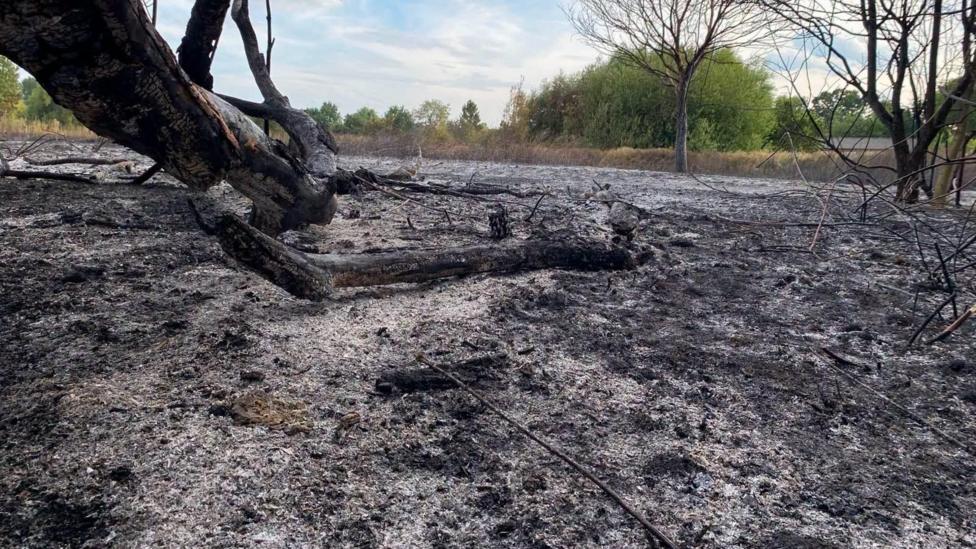
The damage extends beyond immediate wildlife losses. The intense heat altered the soil chemistry itself, enriching it with nutrients. For rare lowland heathland, this represents a catastrophic shift—the traditional plants that thrive there depend on poor-quality soil. Already, green shoots of bracken are pushing through the blackened earth, threatening to crowd out the heather, bilberry, and cowberry that define this habitat.
The Sherbrook Valley blaze at Cannock Chase destroyed approximately 21 football pitches of heathland habitat, according to Staffordshire County Council, with recovery expected to take many years. One earlier fire on 30 July was believed to have been caused by a disposable barbecue, which are banned at the site.
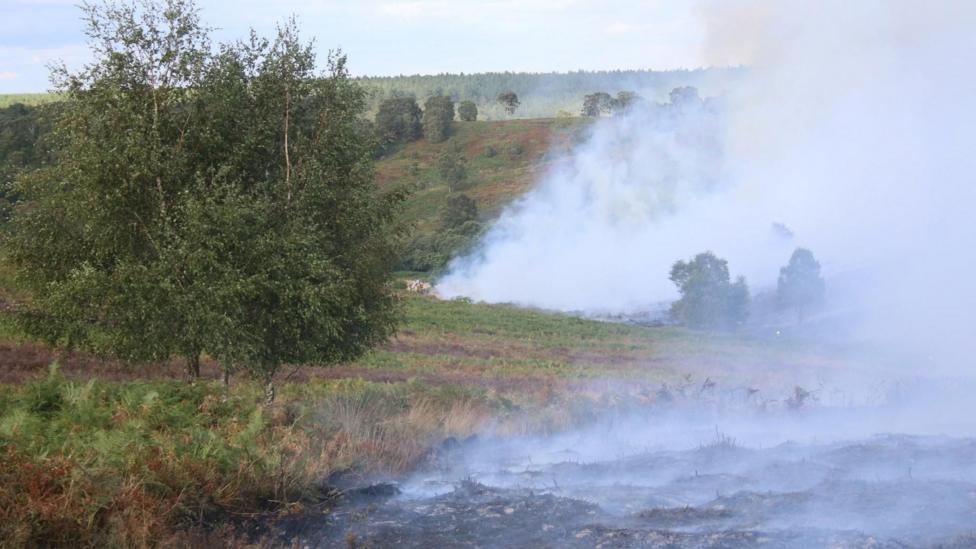
Restoration efforts are underway, with small teams working to stabilise the charred landscape and improve fire breaks and access routes for emergency vehicles ahead of the next wildfire season. However, the scale of the challenge is immense, and full ecological recovery remains years away.
How is climate change affecting farming in the region?
Farmers across the Midlands are confronting a new threat directly linked to warming temperatures: bluetongue, a devastating disease affecting cattle and sheep that causes the death of lambs and calves. The disease is transmitted by infected midges, and as regional temperatures have risen, the geographic range of infected midges has expanded northward from continental Europe into the Midlands.

On 2 September 2026, Staffordshire reported 24 confirmed cases of bluetongue. Shropshire recorded nine cases, Herefordshire two, and Worcestershire, Warwickshire, and Solihull each reported one. By 14 September, the UK government's bluetongue update reported 12 new BTV-3 cases in England, demonstrating that the disease continued spreading actively.
Farmers now face difficult choices: keeping livestock indoors during high-risk periods, investing in vaccination programmes, or accepting the financial consequences of potential infection. The Met Office has identified the expansion of pest habitats as a key climate change impact, and bluetongue exemplifies this threat in real time.
What about water supplies?
Water security represents another critical climate change challenge identified by the Met Office. Severn Trent is responding by expanding Draycote Water reservoir by 60 centimetres (24 inches) to increase storage capacity during periods of shortage. This infrastructure adaptation reflects the growing pressure on water systems as drought cycles intensify.
What are the wider costs?
Across the region, adaptation efforts are mounting at every level—from individual farmers implementing new livestock management practices to water companies expanding reservoirs to local councils restoring fire-damaged habitats. Each intervention carries a financial burden that ultimately falls on residents and businesses through higher costs and taxes.
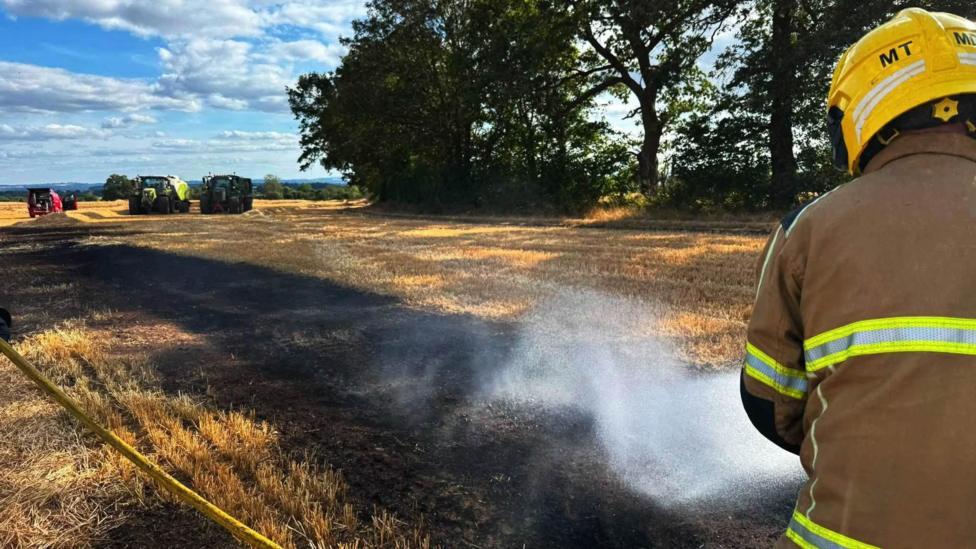
About 30 square metres (322 square feet) of crops caught fire in a field near Market Drayton in Shropshire, illustrating how agricultural land remains vulnerable to the wildfire threat. The cumulative economic impact of fires, disease, water infrastructure upgrades, and lost productivity is substantial and growing.
Earlier in August, residents of Stourbridge described the terror of the wildfire that destroyed 19 homes and damaged 18 more during record UK heat. By 15 August, fire chiefs were describing "incredible pressure" from 11 major blazes in 48 hours, with 38 properties destroyed or damaged and fundraisers topping £75,000 combined. The scale of the crisis prompted warnings from emergency services about the strain on resources.
Can ecosystems recover?
Conservationists have warned that recovery from the 2026 wildfire season could take years or decades across the UK's nature reserves and countryside. The fires have devastated habitats from Staffordshire to the Cairngorms, leaving ecological systems severely compromised. Staffordshire County Council noted that the Sherbrook Valley site is part of a Site of Special Scientific Interest and a Special Area of Conservation, underscoring the significance of the damage beyond immediate smoke and destruction.
What happens next?
Staffordshire County Council has indicated that the fire-damaged areas will require many years to recover, with rangers continuing to damp down hotspots to prevent reignition. The council is implementing enhanced fire prevention measures, including improved access for fire engines and expanded fire breaks.
The bluetongue threat remains active. The UK government's bluetongue page continues to track new cases, with further updates expected as the disease monitoring continues through autumn and winter.
Climate scientists emphasise a sobering reality: the climate system that the UK was designed for no longer exists. As greenhouse gas emissions continue to accumulate in the atmosphere, the problems identified this year will only intensify. The question is no longer whether climate change is real—the summer of 2026 answered that definitively. The challenge now is how quickly communities, farmers, water companies, and conservation efforts can adapt to a fundamentally altered climate.