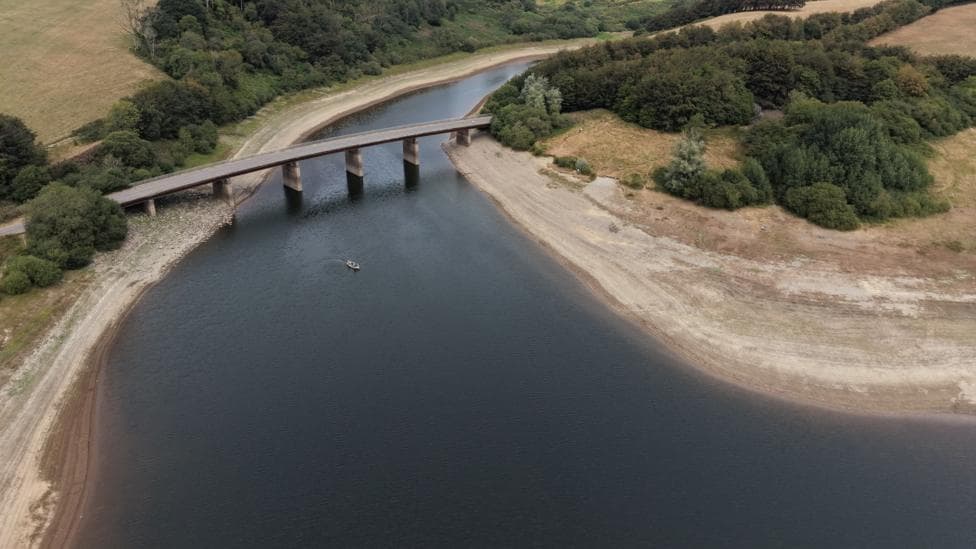
Reservoir levels across the South West are beginning to stabilise following recent rainfall, though officials warn that sustained precipitation over the coming months will be essential to prevent a return to critical shortages. According to BBC News, Wimbleball Reservoir on Exmoor has risen to 18% capacity after plummeting to a record low of 12% in August, while smaller reservoirs such as Venford have recovered to 50% full.
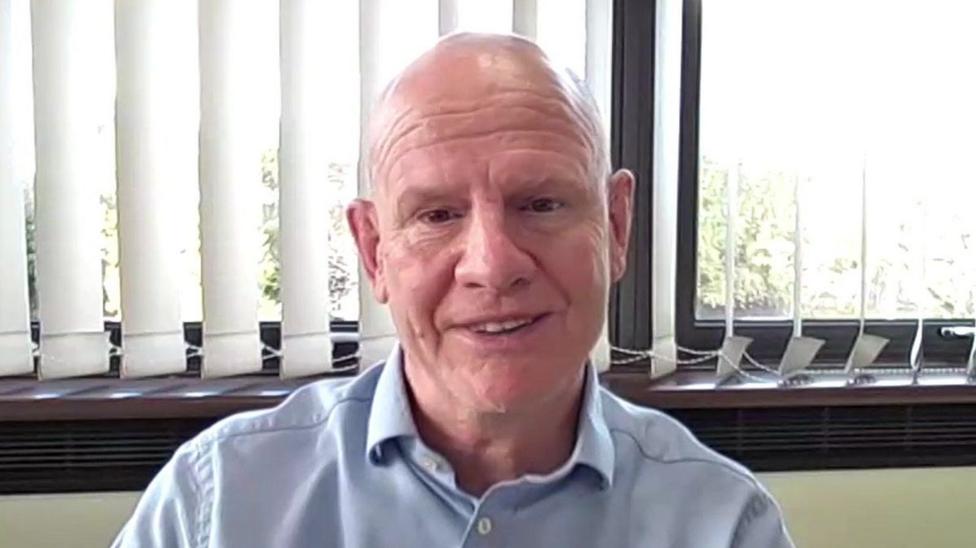
Richard Stanbrook, drought resilience director for Pennon which operates South West Water, stated that every reservoir in the South West was progressing on an "upward trajectory" with "continued recovery" anticipated. He attributed the improvement partly to the hosepipe ban, which he said was delivering a "positive impact" on water conservation efforts across the region.
The Environment Agency had declared drought conditions across more than half of England in June, escalating the alert to severe drought status in October as water levels hit historic lows. A severe drought was declared across parts of southern England after months of low rainfall and record summer heat, with major reservoirs including Wimbleball reaching critically low levels.
How much have reservoir levels improved?
Recent rainfall has produced measurable gains across South West Water's storage infrastructure. Stanbrook observed that reservoirs had increased between 2% and 15% across the board following the recent downpours. Wimbleball's rise from 12% to 18% represents a significant recovery from its historic low point, though the reservoir remains well below normal operating levels.
However, more recent data shows the recovery remains fragile. South West Water's total reservoir storage stood at 36% on 2 November, compared with 52% a year earlier, with Wimbleball at 17% and Stithians at 22%. In Cornwall, the situation is similarly constrained: Drift Reservoir was at 34% on 2 November, down from 89% a year earlier, while Colliford had fallen to 33% from 44% the previous year.
What rainfall is needed to end the drought?
The Environment Agency has set a demanding threshold for drought recovery. Officials have warned that England requires at least 20% more rainfall than average to emerge from drought by spring, with areas in severe drought—including parts of the South West—needing even greater precipitation. The Environment Agency stated that storms Austen and Boelo brought short-term hydrological benefits but did not materially change the drought outlook, with England needing at least 120% of average rainfall over the next six months to be out of drought by spring.
Stanbrook emphasised that the amount of rainfall in coming months was paramount to reservoirs becoming full again. He noted that the water company had been working closely with the Environment Agency to optimise extractions from rivers and pumping into reservoirs, positioning infrastructure to capture and transfer as much water as possible when precipitation arrives.
How is the hosepipe ban affecting water use?
The hosepipe ban has contributed to measurable reductions in demand, though officials stress it must remain in place longer to allow recovery to establish itself. Stanbrook reported that the restriction typically achieves a 3% reduction in demand and that customers had responded positively to conservation messaging.
Stanbrook highlighted that public behaviour had shifted noticeably during the summer months.
I'm really pleased to say our customers are certainly reducing the water they use - you saw that over the summer with the brown lawns. People weren't watering their lawns, they heeded the message.
However, he stressed that water-saving measures such as not letting the tap run when cleaning teeth and taking shorter showers needed to become permanent habits rather than temporary responses to drought conditions. The hosepipe ban has no set end date and remains linked to rainfall patterns and reservoir recovery progress.
Why is this drought different from previous ones?
The 2026 drought has developed with unusual speed compared to historical precedents such as the severe drought of 1976. Scientists have characterised this as a "flash drought"—a phenomenon that develops rapidly and is consistent with patterns expected under a changing climate. This rapid onset exposed the region's vulnerability to prolonged heat and insufficient rainfall in ways that previous, more gradual droughts had not.
While officials maintain that water supplies remain secure and households face no risk of running out of water, the summer has demonstrated the potential fragility of the South West's water infrastructure. South West Water introduced a hosepipe ban after months of low rainfall and surging demand, with the restriction affecting millions of people across the region.
What happens over the winter recharge period?
Reservoirs now face a crucial winter recharge season, during which sustained rainfall is essential to build storage levels ahead of the next summer. After the hottest summer on record, the region's water levels will remain under close scrutiny in the months ahead. The government has urged water conservation as severe drought is declared across southern England, with ministers warning the situation represents the lowest rainfall in over a century.
Stanbrook indicated that the water company is preparing for the possibility of another challenging summer in 2027.
The Met Office is forecasting a hot 2027, so a lot of our focus is about setting ourselves up for next year... to make sure we have as much raw water available to us... The key is having that water for the hot summer next year.
The Environment Agency has granted South West Water a drought permit for Wimbleball, allowing the company to pause normal compensation flows to the River Haddeo while releasing an equivalent volume downstream to support public-supply abstraction. This permit is scheduled to remain in effect through 28 February 2027 unless withdrawn earlier, reflecting the expectation that drought conditions may persist well into the new year.
Key Facts
- Wimbleball Reservoir has recovered from a record low of 12% in August to 18% full following recent rainfall, though it remains significantly below normal levels
- The Environment Agency warns that England needs at least 120% of average rainfall over the next six months to emerge from drought by spring 2027
- South West Water's hosepipe ban remains in place indefinitely and is linked to rainfall and reservoir recovery rather than a fixed end date
- The 2026 drought developed rapidly as a "flash drought," a pattern scientists associate with climate change, unlike the gradual onset of the 1976 drought
- A drought permit for Wimbleball is scheduled to remain in force through 28 February 2027, allowing modified water management to support the 390,000 people the reservoir serves