Spanish prime minister Pedro Sánchez said on Tuesday that authorities “can begin to see the light at the end of the tunnel in the fight against wildfires,” though he warned that “complex days and hours ahead” remained as emergency response efforts continued. Speaking at a press conference in Madrid, he said authorities would keep mobilising all resources until the last flame was extinguished, with concerns also mounting over the impact of the approaching fourth heatwave.
He again said the fires were a reminder that Spain urgently needs to plan for the climate emergency, which he said is “worsening year after year.” He urged local governments to support the government’s climate strategy, saying that “climate denial is the worst fuel against the climate emergency.”
“Denying reality and the alarms raised by scientists do not prepare us; on the contrary, it leaves us much more vulnerable and our population much more at risk.”

How are UN officials linking the fires to the wider climate crisis?
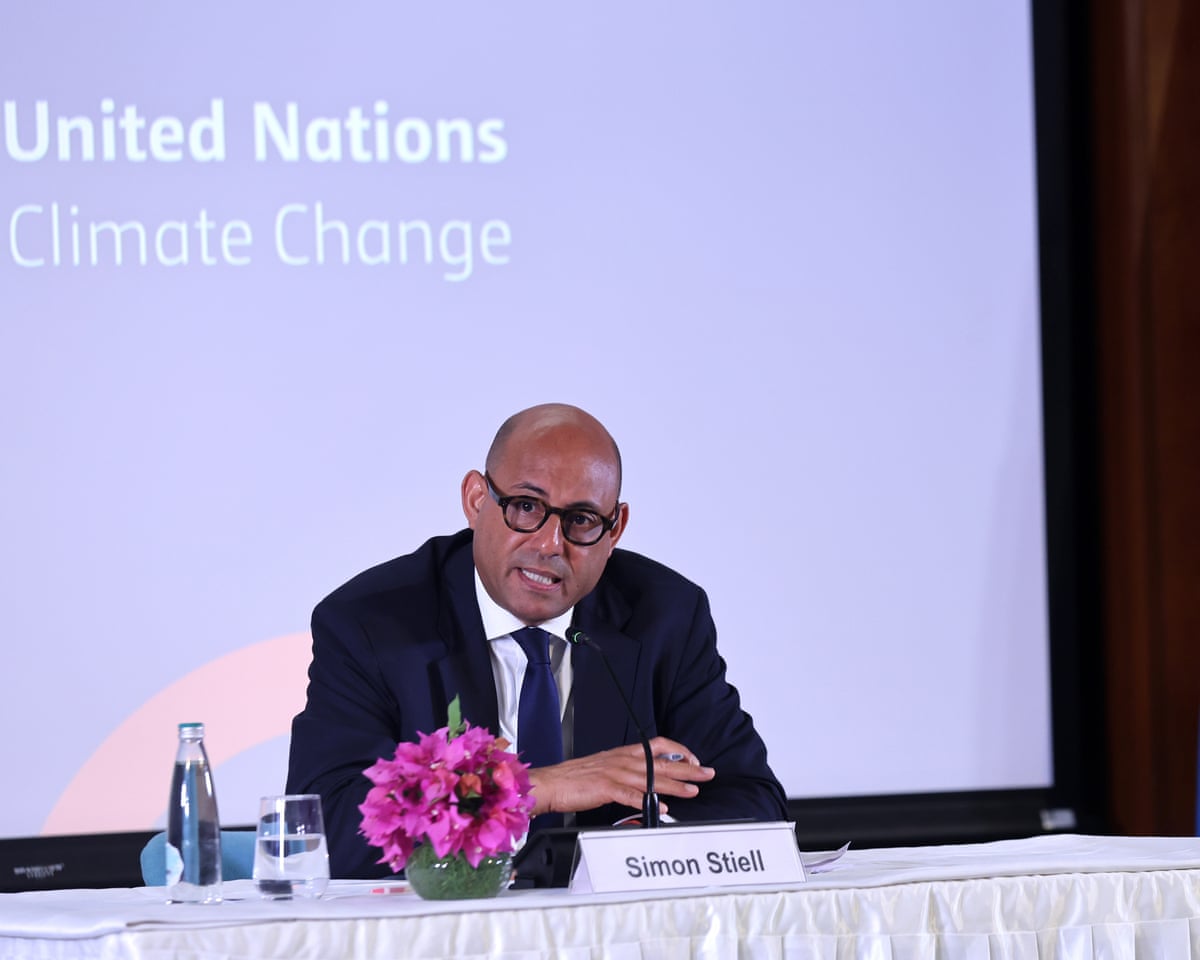
The UN’s climate chief, Simon Stiell, said on Tuesday that the costs of the climate crisis are now reaching national emergency levels. He said, “The climate alarm is blaring, from every direction. Around the world, climate-driven disasters are reaching nightmare proportions, as the costs of humanity’s addiction to burning coal, oil and gas keep spiraling upwards.”
He pointed to record-breaking wildfires in France, Spain and other parts of Europe, where mass evacuations and damage to regional and national economies have followed brutal heatwaves that dried out landscapes. With temperatures expected to rise again this week, he said the human and economic costs of the crisis were now reaching national emergency levels.
“The climate alarm is blaring, from every direction. Around the world, climate-driven disasters are reaching nightmare proportions, as the costs of humanity’s addiction to burning coal, oil and gas keep spiraling upwards.
These record-breaking wildfires tearing through France, Spain and other parts of Europe, forcing mass evacuations and hammering regional and national economies, follow brutal heatwaves that have dried out landscapes.
With the mercury set to soar again this week, the awful costs of this climate crisis – both human and economic – are now reaching national emergency levels.”
Stiell said the impacts of global heating are being felt worldwide. “In North Africa, temperatures are approaching 49°C, putting lives and livelihoods in grave jeopardy. In Chile, deadly storms have destroyed homes and lives. While in Japan, records are tumbling as temperatures soar. These spiraling disasters are now the lived reality for billions in a world getting rapidly hotter.
The science on the cause is unequivocal: global heating is making protracted heatwaves, severe floods and violent mega-storms more frequent, more intense and more costly.
What needs to be done is equally clear: leave coal, oil and gas behind faster, scale up renewables, and protect people where the impacts are already hitting hardest.”
What is happening near Bordeaux for evacuees?
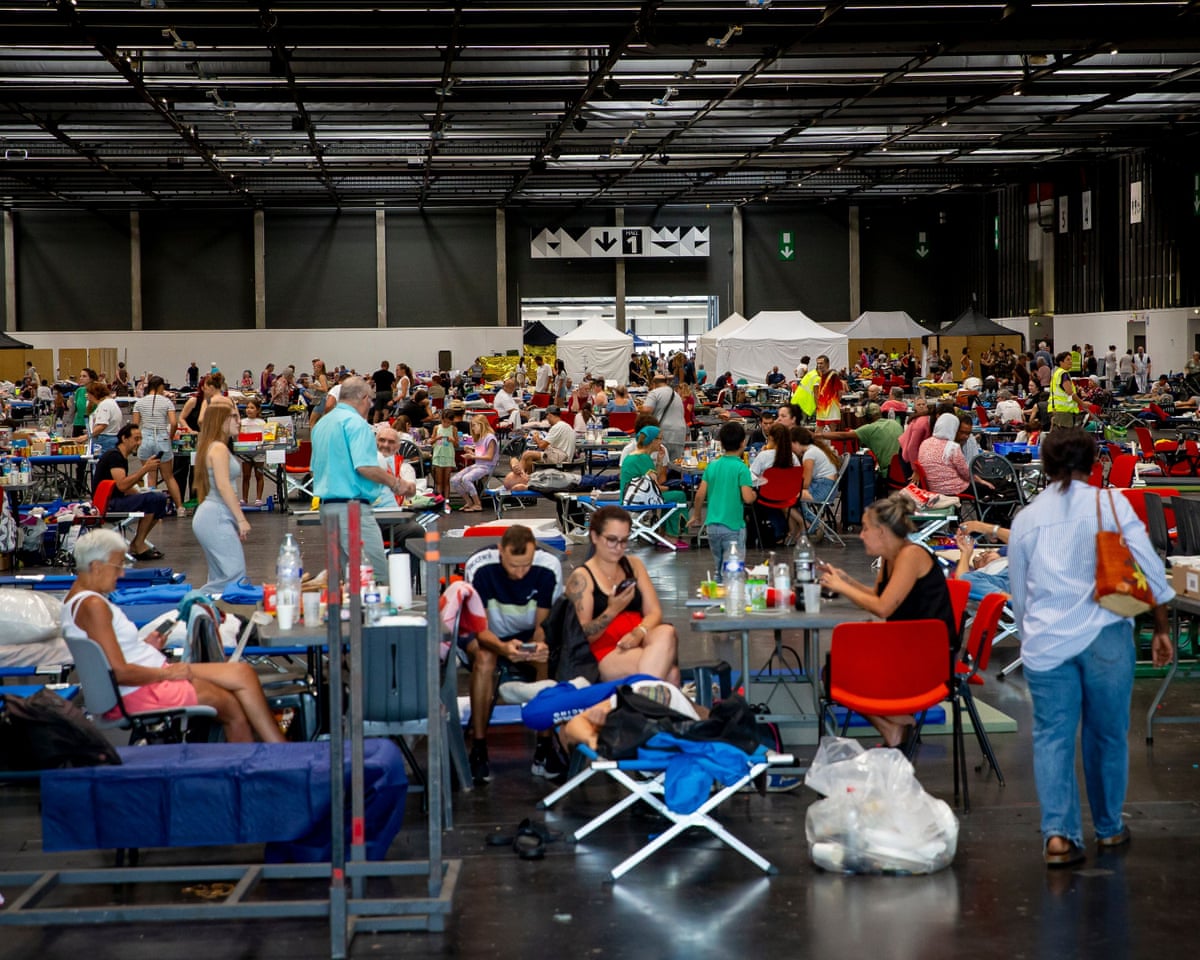
Emergency reception areas have been set up for thousands of evacuees near Bordeaux as the wildfire response continues in south-western France.
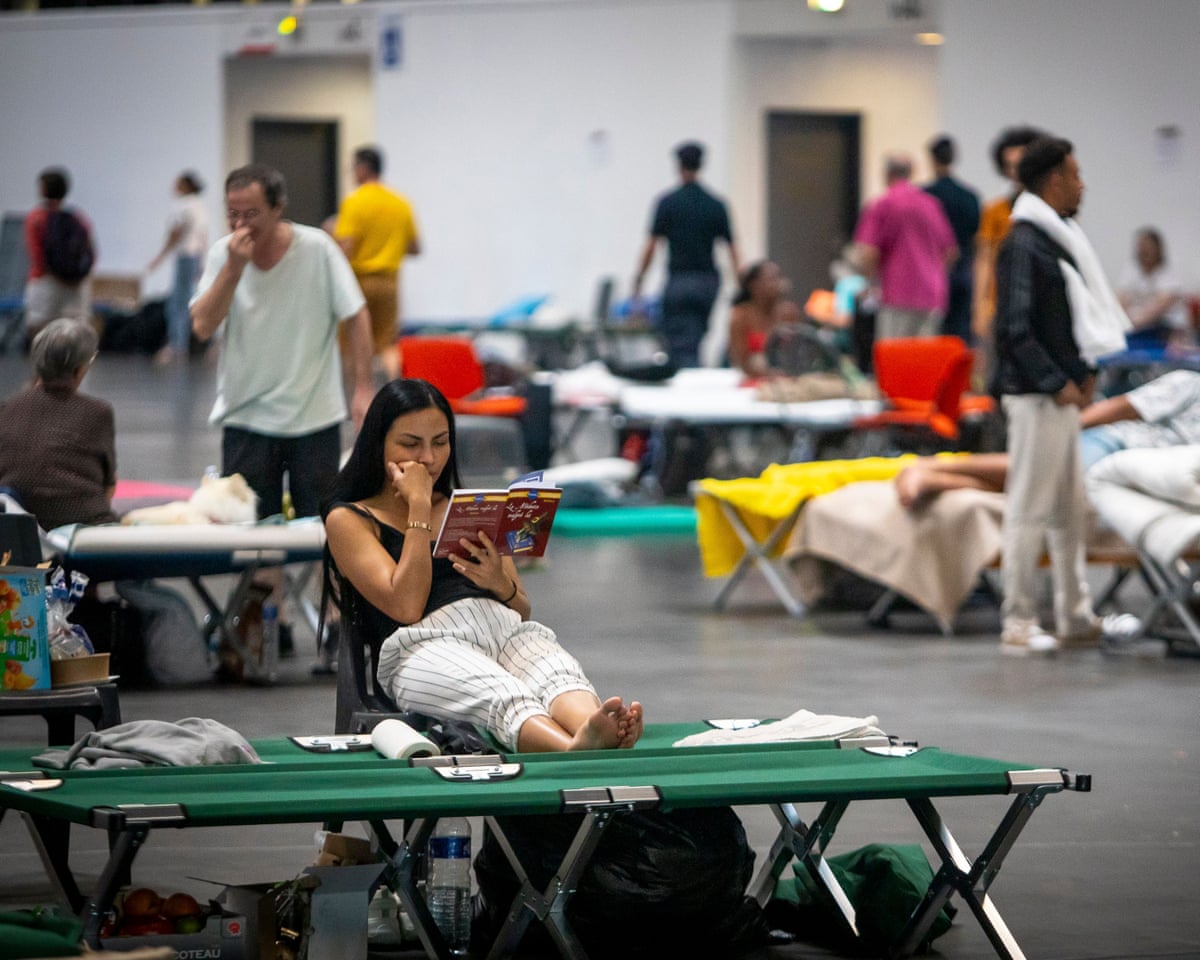
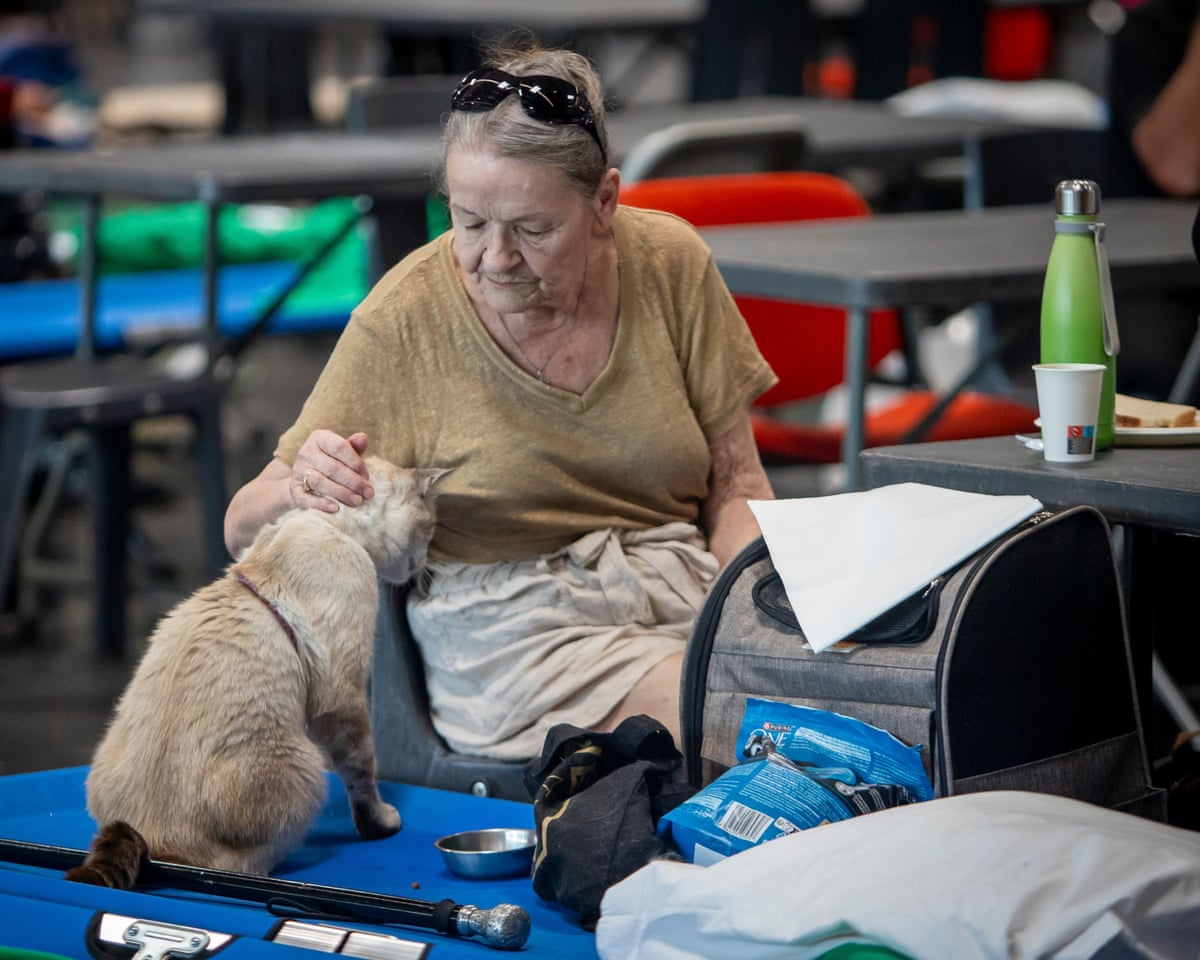
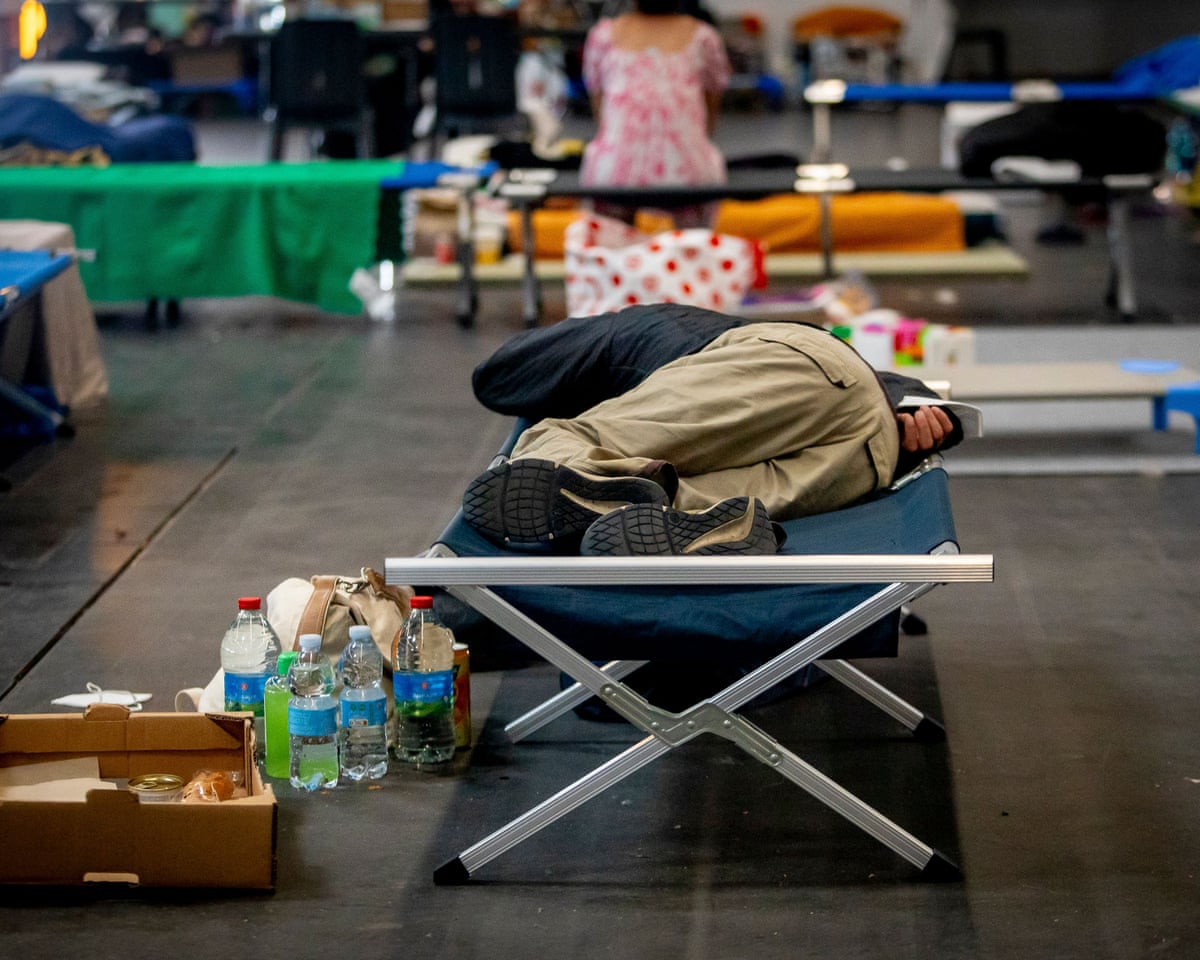
What did tourists caught up in the fires experience?
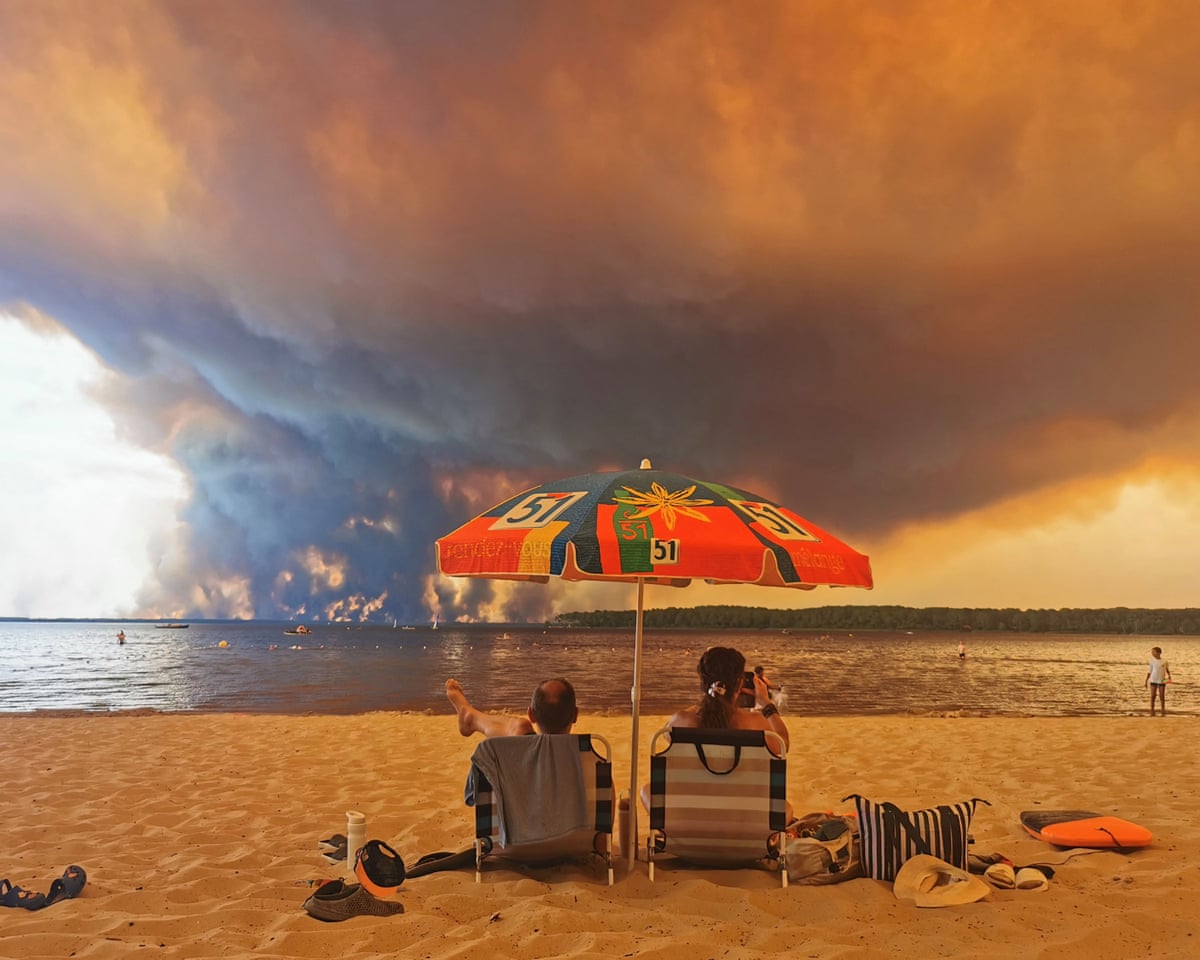
Tourists caught up in the wildfires described their experiences to . Patrick, 77, was at a beach in Arcachon on the south-west coast of on Thursday when he noticed the sky getting darker and a “great billowing pall of black smoke” developing.
“It was the beginning of a slightly otherworldly experience,” he said.
He and his wife were forced to hitchhike 42 miles (69km) back to Bordeaux, where they were staying on holiday, after all trains were cancelled due to an electrical fault which had nothing to do with the fire.
The couple entered a bike shop and asked for a piece of cardboard, on which Patrick wrote “Bordeaux SVP. Urgence!”.
They walked about a mile out of town to a roundabout and stuck their thumbs out, hitching a ride within five minutes. That took them halfway, until they were picked up by the owner of a chain of local coffee shops who was on route to Bordeaux to collect his wife, who was stranded because of the cancelled trains.
It was only after getting back safely to Bordeaux, and watching the news unfold, that the severity of the fires hit them.
“We realised that the two people who had given us lifts lived in areas where houses were burned and tens of thousands of people were being evacuated,” he said. “I hope they are both OK.”
He described the “chilling feeling” of seeing life on the beach seemingly going on as usual whilst smoke gathered in the skies above.
“My main memory is how bizarre it was to watch people enjoying holidays on the beach while a major catastrophe was unfolding in full view, not far away. Is this how the world ends?”
How are firefighters responding in south-western France?
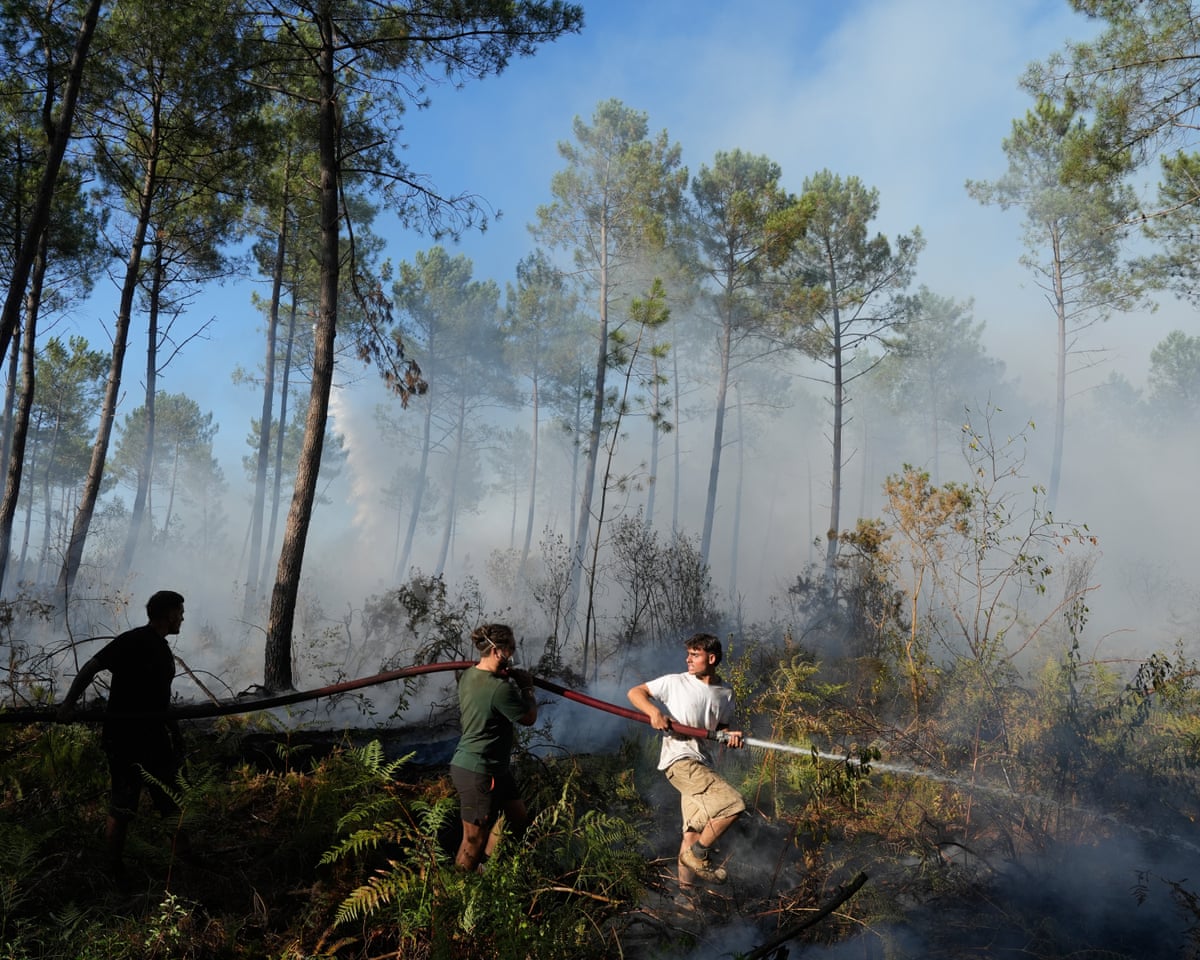
Firefighters are continuing to tackle blazes in south-western France as crews work through mop-up operations and attempts to extinguish remaining hot spots and smoldering patches.
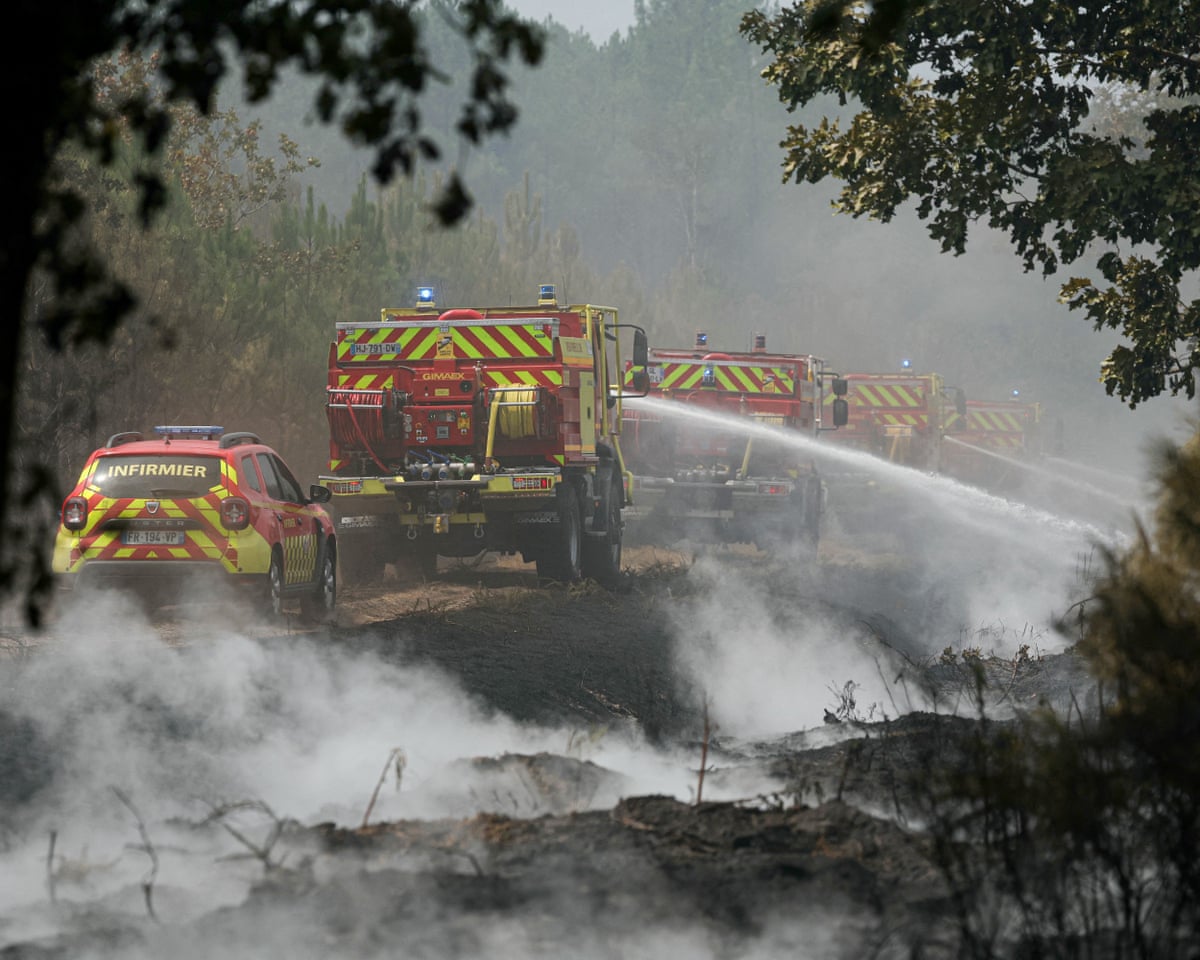
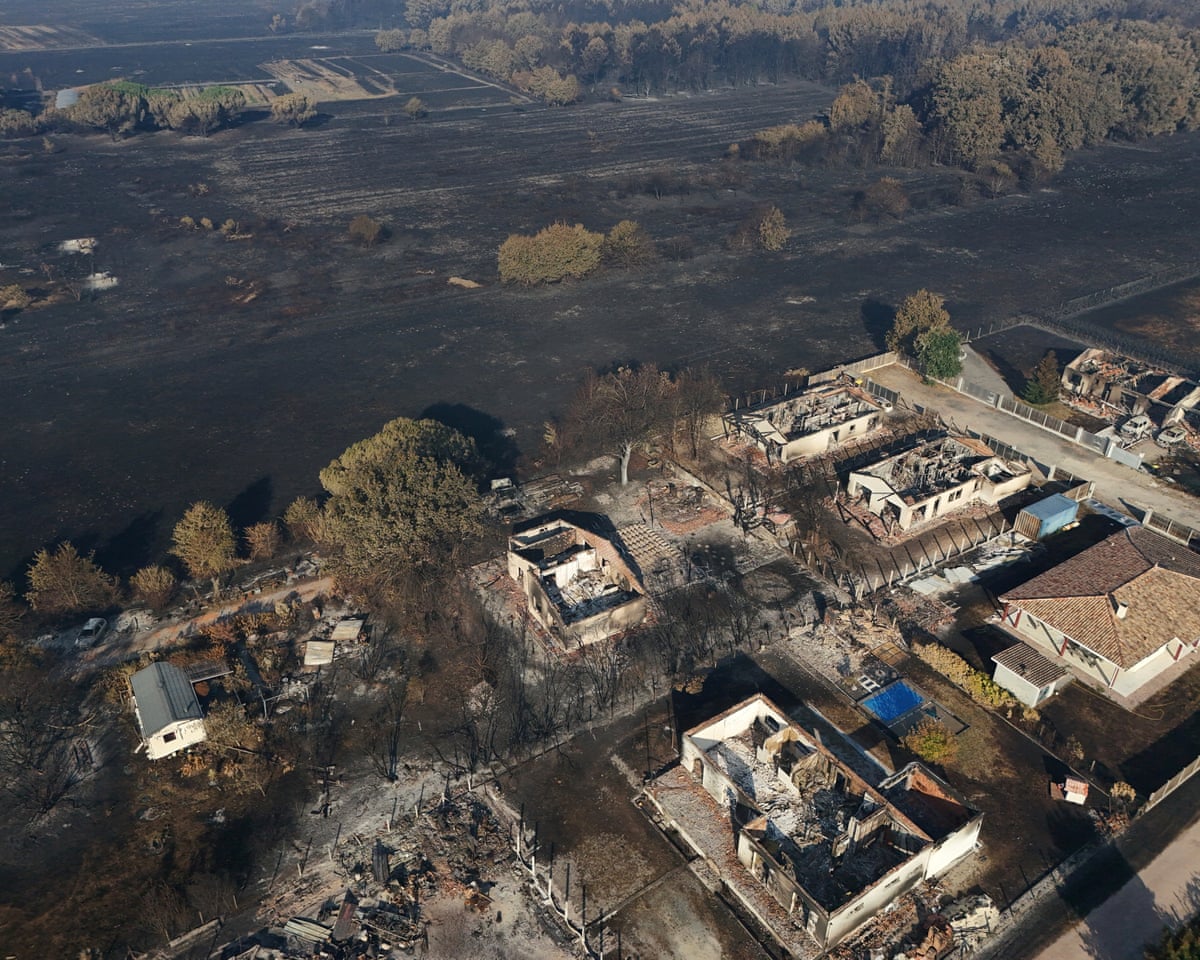
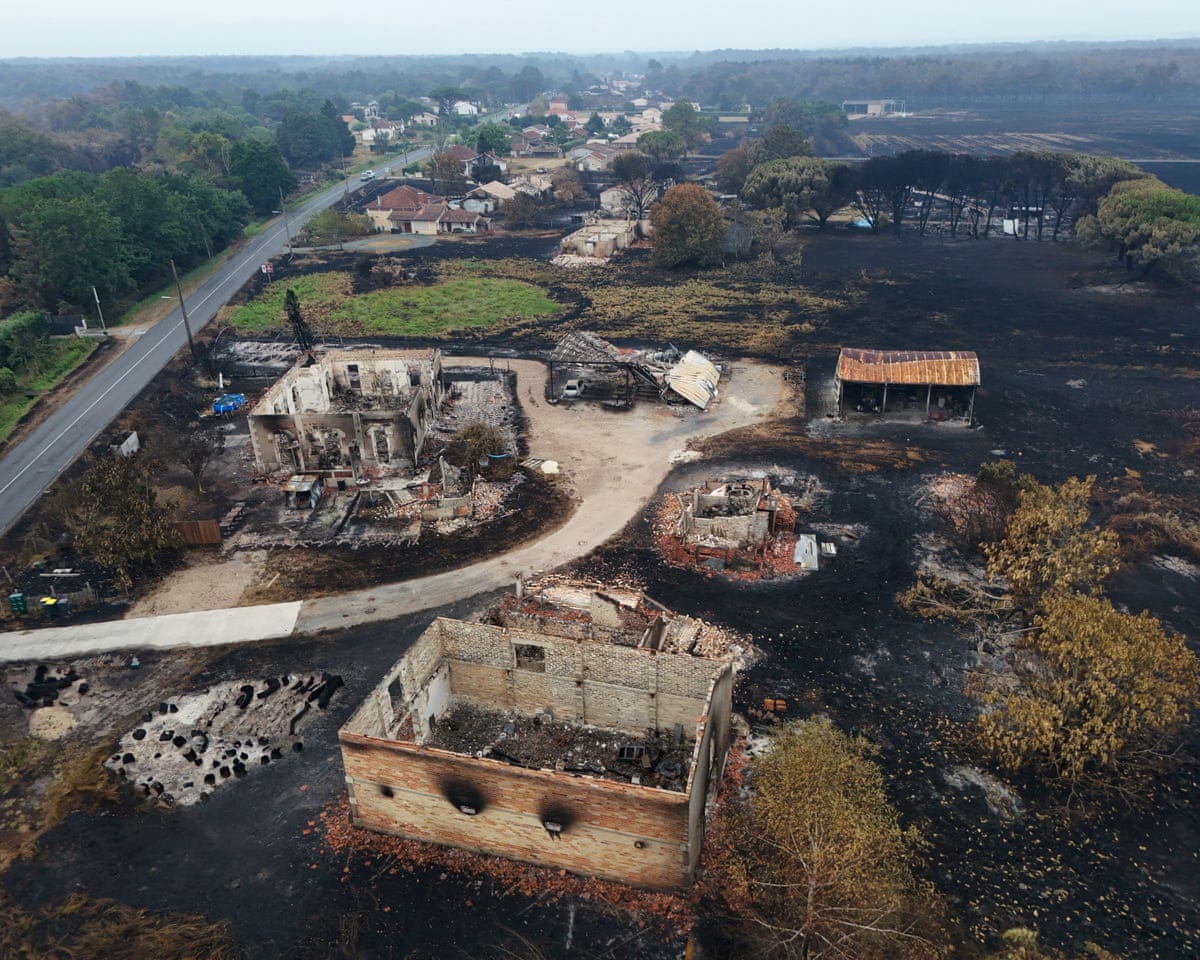
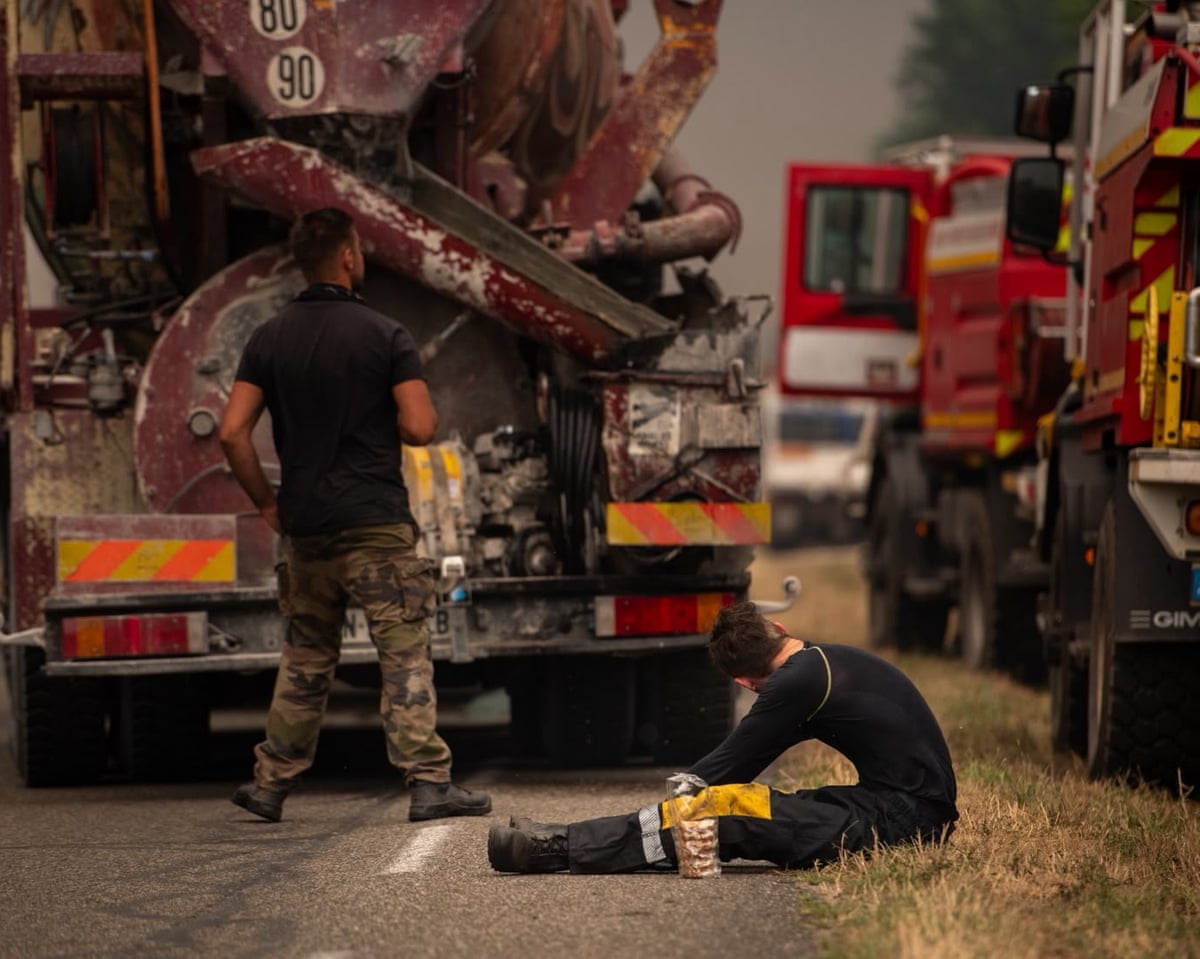
Why have people been evacuated from campsites near Bordeaux?
Up to 4,000 people have been evacuated from campsites in Lacanau near Bordeaux in south-western France as part of a “precautionary” move. The Lacanau town hall said: “Due to weather conditions (heatwave) and to facilitate emergency operations, the Prefect has ordered the preventive evacuation of campsites in Lacanau, as well as group tourist residences and holiday villages,” and added there are currently no plans for further evacuations.

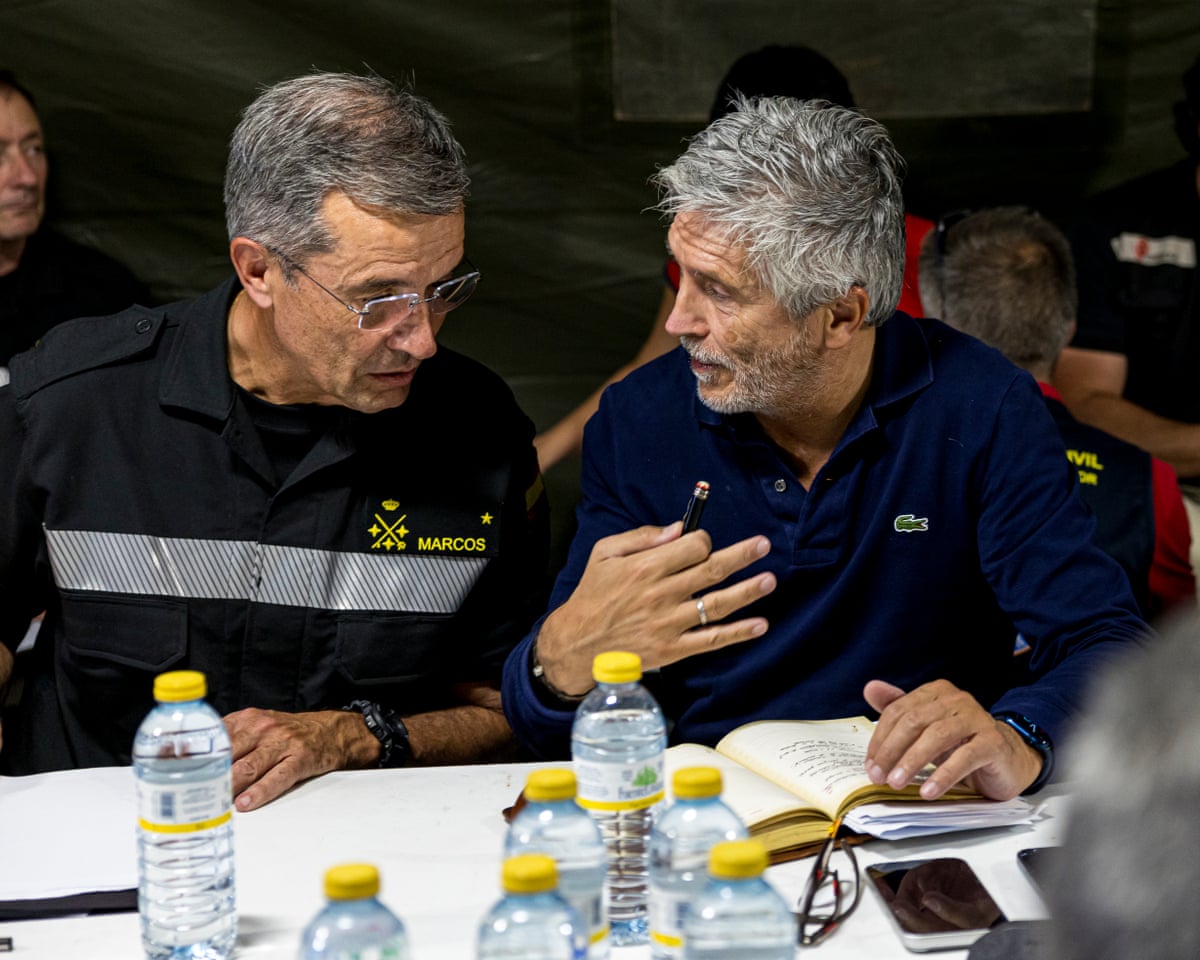
Elsewhere, Spain’s interior minister, Fernando Grande-Marlaska, said progress over recent hours had been “reasonably positive” when speaking to broadcaster TVE on Tuesday morning, and also paid tribute to the firefighters deployed in the region.
How is the situation near Madrid changing?
Madrid’s regional president, Isabel Díaz Ayuso, said on Tuesday morning that the wildfires situation is “gradually improving” and allows authorities to be a bit “more optimistic,” as she thanked emergency services for their work.
However, the central government’s delegation to Madrid said the fire was still not under control, and that more progress was needed on Tuesday before the expected fourth heatwave hits the area.
What is the outlook for France and Spain?
Firefighters in France and Spain are facing another day battling wildfires that have prompted hundreds of thousands of evacuations, with another heatwave expected to hit this week. French authorities have said this year’s wildfires, particularly the Gironde fire near the south-western city of Bordeaux, are “completely exceptional”, with more than 116,000 hectares of forest and vegetation burned since the beginning of the year, compared with 70,000 in total last year.
For the “The Latest” podcast, Lucy Hough speaks to environment correspondent Ajit Niranjan about what it means for the continent.
Why is France facing a race against time?
France was also in “a race against time” to control wildfires before another heatwave this week, said Eric Brocardi, a fire service spokesperson. Weather forecasters have said temperatures could reach 40C (104F) in some parts of the country from Tuesday.
This would complicate efforts to control the wildfire in Gironde in south-west France, which the interior minister, Laurent Nuñez, described as “extremely intense and unpredictable … generating its own winds and advancing erratically toward the Bordeaux metropolitan area”.
What is the air quality situation in the affected area?
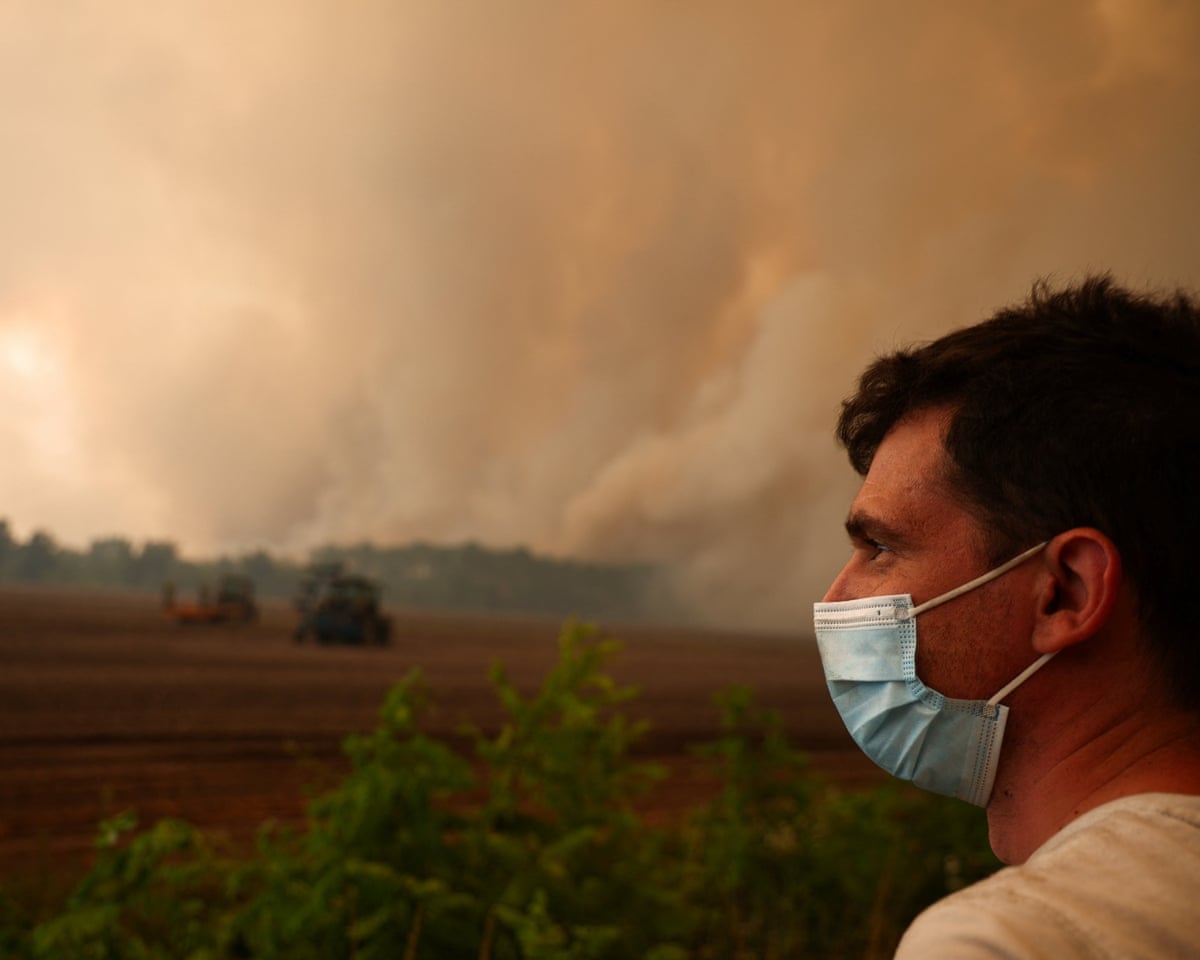
There is also concern about air quality in the region affected by the blazes. France’s health agencies said the air quality in the Nouvelle-Aquitaine region covering Gironde is “degraded” with fine particulate matter way above the limits.
Residents were told to keep doors and windows closed, cover vents with damp clothes, and turn off ventilation systems. France will deliver 3.5 million filtering FFP2 masks to the region by Wednesday.
What did Macron say in Bordeaux?
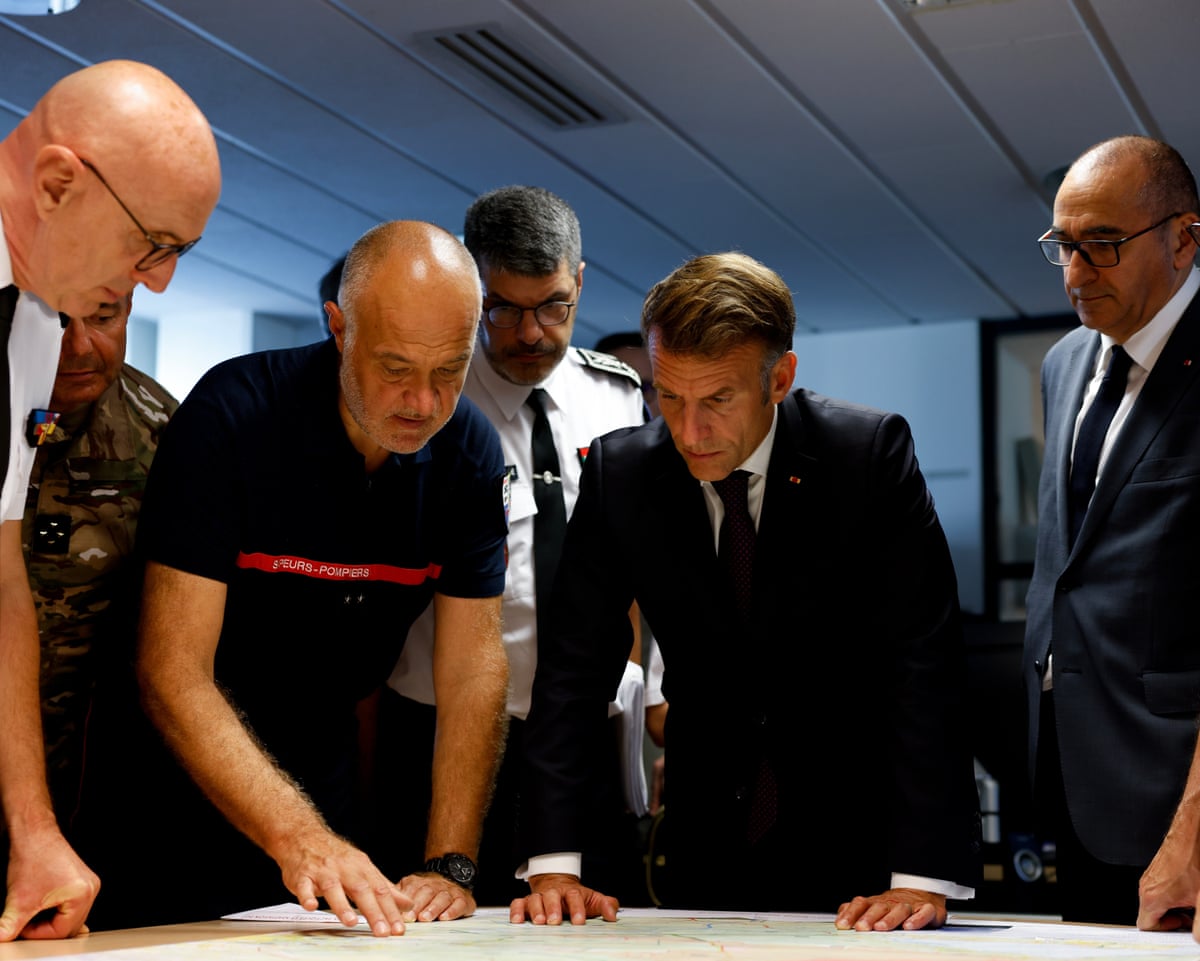
The return of searing temperatures, from Tuesday in France and on Wednesday in Spain, will complicate efforts to fight massive wildfires raging in the Bordeaux region and a number of sites in Spain. On a visit to a crisis centre in Bordeaux, the French president, Emmanuel Macron, warned:
“The coming weeks will be tough and we have to hold out.”
Over the past week, the giant blaze in the region has ravaged 42,000 hectares (103,000 acres), forced 220,000 people to flee and destroyed 240 houses. Such is its size and intensity, it has created a pyrocumulonimbus cloud, packing lightning.
As of Tuesday morning, it remained stable for the second night in a row, which offered hope that firefighters would be able to make further progress before the new heatwave complicated their efforts.
Macron confirmed that a forest fire in nearby Landes, which had forced the evacuation of more than 30,000 people, was now under control. But he warned it “remains virulent and we must be extremely cautious over the next few hours and the coming days”.
Spain has one crucial day to tackle the wildfires before weather conditions worsen again. Ahead of the new heatwave, Spain’s prime minister Pedro Sánchez told his fellow citizens:
“We face difficult hours, complex hours.”
About 60,000 people have been forced to flee in Spain and 220,000 in France, often with just minutes’ notice. Hundreds were also evacuated from Italy.
The fires in Spain have affected an area of 77,000 hectares (190,000 acres) – nearly the size of New York City – according to authorities.
Spain’s state meteorological agency, Aemet, officially declared that a heatwave, the fourth of the summer, would begin on Wednesday, lasting until “at least” Sunday.
I will bring you all the latest here.
It’s Tuesday, 28 July 2026, it’s Jakub Krupa here, and this is Europe Live.

This article was sourced from theguardian