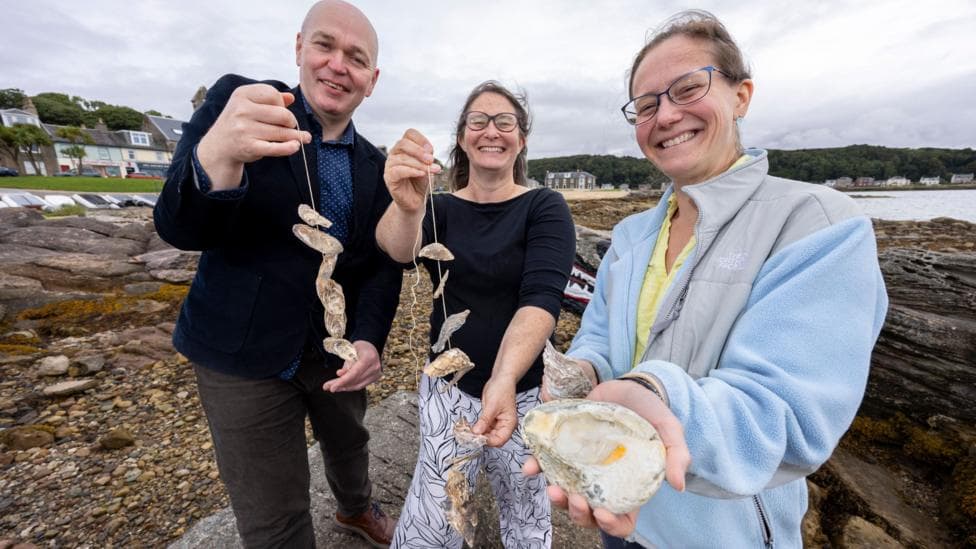
People in an area that hosts many important butterfly sites are being urged to take part in a nationwide survey to help scientists understand how this year's hot weather has affected the insects. Bournemouth, Christchurch and Poole (BCP) Council wants residents to join in with the Big Butterfly Count, organised by Butterfly Conservation, which runs until 9 August.
Participants are asked to spend 15 minutes recording butterflies and day-flying moths they spot in gardens, parks and other green spaces. The charity says the results help researchers track how species are responding to climate change, habitat loss and conservation efforts.
Where can people see butterflies locally?
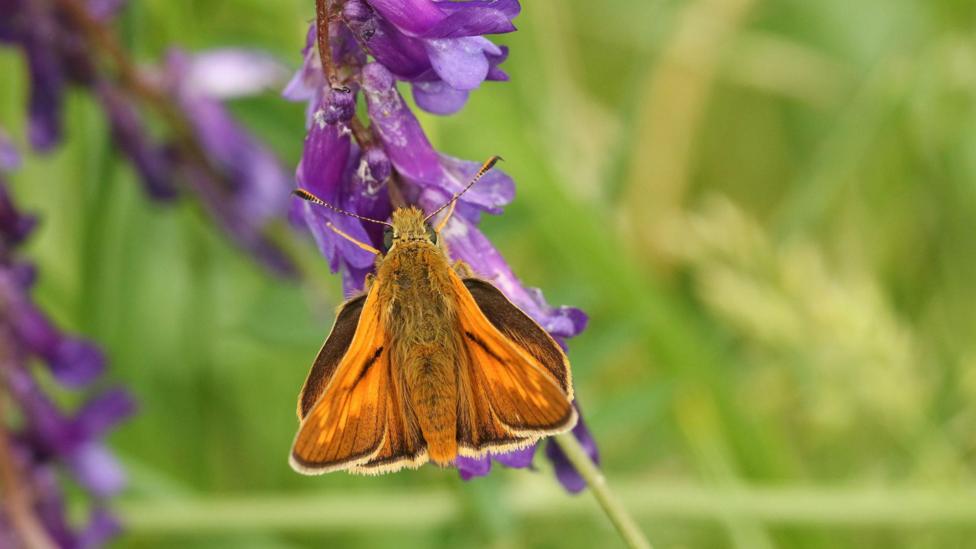
The BCP area is home to several important butterfly habitats, including Canford Heath, where rare Silver-studded Blue butterflies can be found, and Bourne Valley, which supports species such as the Large Skipper.
Butterfly Conservation's Kate Merry said it was too early to know whether recent warm weather would result in a strong year for butterflies.

After the colourful spring with seemingly lots of beautiful butterflies appearing across the UK, it's tempting to assume we're heading for a bumper summer,
But a bright spring is only ever part of the story, which is why we need people out there taking part in the Big Butterfly Count this summer.
According to the charity, about 80% of UK butterfly species have declined over the past 50 years due to factors including habitat loss, pollution and climate change. Species that can be recorded during the survey include the Peacock, Holly Blue, Red Admiral, Brimstone and Small Copper.
Why does the count matter?
The survey helps scientists understand how butterflies and day-flying moths are doing, both locally and across the UK. Andy Hadley, BCP Council's lead for climate response, environment and energy, said local habitats were important for a variety of butterflies and moths.
Every 15-minute count helps build a clearer picture of how butterflies are doing locally and nationally,
Residents can submit their sightings using the free Big Butterfly Count app or through the organisation's website.
Which BCP sites were highlighted?
Butterfly Conservation and BCP Council highlighted several sites where people may see a variety of species. Canford Heath is known for rare heathland butterflies, including the Silver-studded Blue and Grayling. Stour Valley Water Meadows / Throop SANG has had 26 species recorded, while Corfe Hills North is a good location for Purple Hairstreak butterflies.
Bourne Valley is home to meadow species, including Ringlet, Gatekeeper and Large Skipper, and local parks and green spaces are also suggested, particularly those with longer grass and wildflowers.
Key Facts
- The Big Butterfly Count runs until 9 August.
- Participants are asked to spend 15 minutes recording butterflies and day-flying moths.
- About 80% of UK butterfly species have declined over the past 50 years, according to Butterfly Conservation.
- Species recorded in the survey can include Peacock, Holly Blue, Red Admiral, Brimstone and Small Copper.
- BCP Council highlighted Canford Heath, Stour Valley Water Meadows / Throop SANG, Corfe Hills North and Bourne Valley as good local sites.