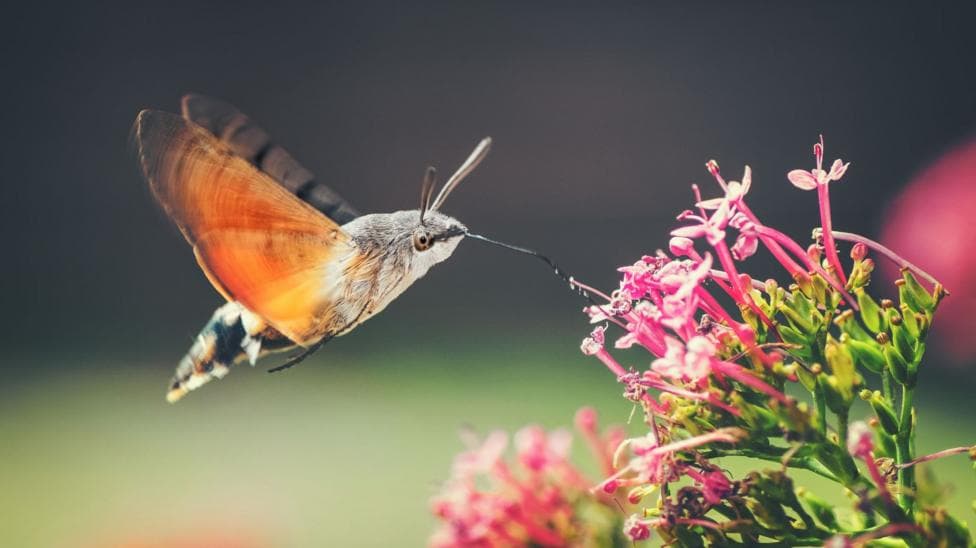
The hummingbird hawk moth, a striking insect with a furry grey body, orange hindwings and elongated feeding tube, has been appearing in unprecedented numbers across the West Midlands during 2026. The species, which hovers over flowers in a manner remarkably similar to its avian counterpart, migrates to the UK from southern Europe and north Africa during the warmer months. Warmer temperatures and favourable weather conditions have created ideal circumstances for these remarkable visitors to thrive in the region.
James Benwell, from the Birmingham and Black Country Wildlife Trust, described 2026 as a "record year" for sightings of the species, which is frequently mistaken for a small bird by observers unfamiliar with the insect. The moth's wings beat approximately 80 times per second, enabling the hovering behaviour that makes it so distinctive.
"They've had a really good year this year," Benwell said. "Normally they would come in small numbers. We'd normally hear of a few maybe. But this year, we've seen loads of records of them. They're absolutely amazing but I somehow haven't seen one this year, so I'm jealous of anybody else that has."
The surge in sightings extends beyond the West Midlands. According to a national environmental publication, Butterfly Conservation has identified 2026 as a potential "bumper year" for hummingbird hawk-moths across the UK, with sightings reported as far north as Northern Ireland and northern Scotland. Experts attribute the increase to hot weather and strong southerly winds, which have facilitated the migration of larger numbers of moths from their continental breeding grounds.
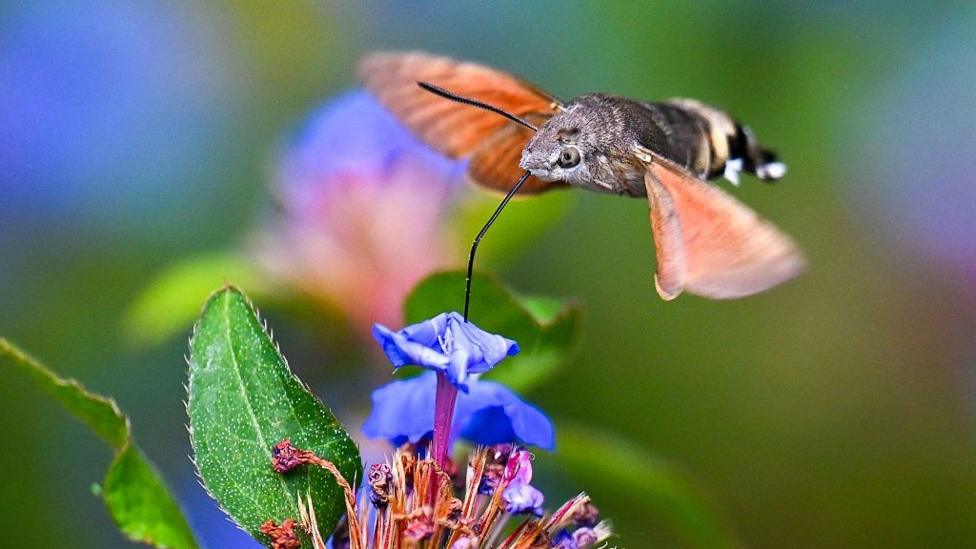
Richard Austin of Butterfly Conservation noted that the charity had experienced a "big increase in sightings and inquiries" about hummingbird hawk-moths throughout the year, reflecting the heightened public interest in these remarkable visitors. The Wildlife Trusts indicate that hummingbird hawk-moths can be observed in the UK from April to December, extending well beyond the summer months when they are most commonly encountered.
What other species are thriving in warmer conditions?
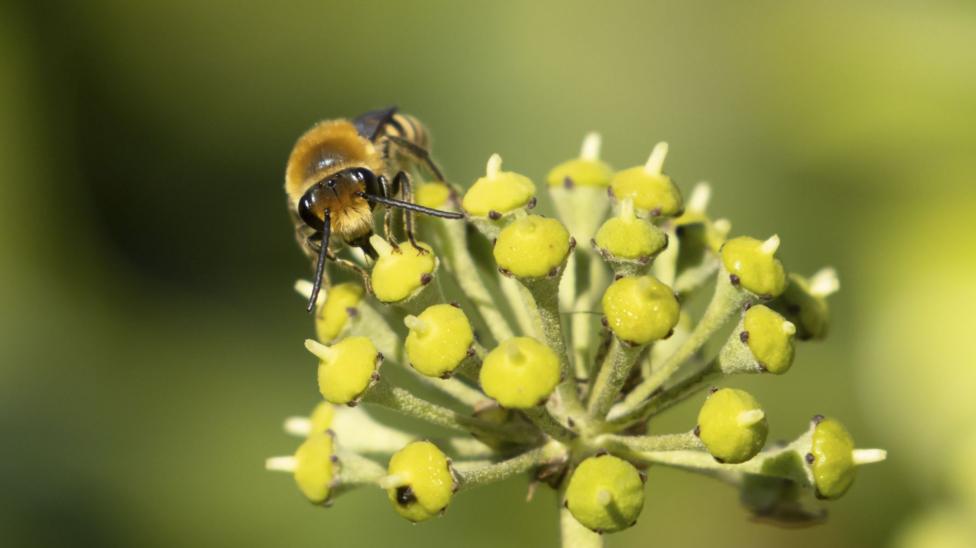
Beyond the hummingbird hawk moth, several other species once considered unusual in the West Midlands have begun appearing with increasing regularity. Ivy bees, which feed primarily on the nectar of ivy flowers, have become noticeably more prevalent in the region. These insects, first documented in the UK in 2001, have been gradually spreading northward from their initial British stronghold. They were first recorded in the West Midlands at Stourbridge in 2015.
"There's nothing that distinguishes them from other bees really, they're not that kind of attention-grabbing species, but, you know, were you to look for them, go to ivy and you'll see them," Benwell explained.
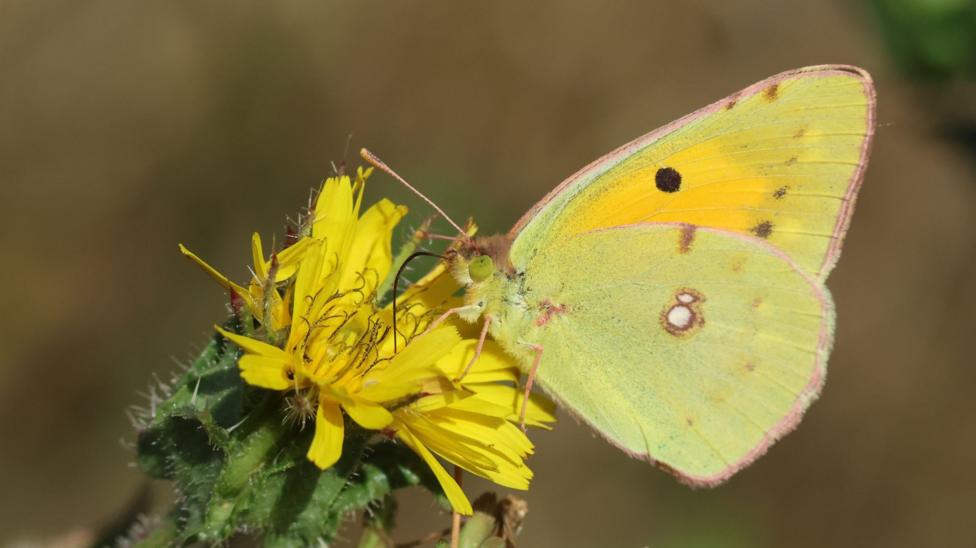
The clouded yellow butterfly, a European migratory species, has also been observed more frequently during unusually hot summers. Benwell noted that most individuals cannot survive British winters, but rising temperatures associated with climate change may eventually allow them to establish permanent populations in the region. Recent warming is already increasing numbers of migrant species and allowing some to produce resident populations, according to the UK Butterfly Monitoring Scheme.

Which species have become established in the region?
Several insects that were previously rare or absent from the West Midlands have now become well-established. The hornet hoverfly, identifiable by its yellow markings that mimic a hornet's appearance despite being harmless, has become increasingly common since its initial recording in Birmingham and the Black Country in 2004. The cricket bat spider, named for its distinctive cricket bat-shaped markings, has also grown more prevalent in grassland habitats since first being spotted in the region in 2019.
The wasp spider, one of the UK's largest spider species, has recently expanded its range significantly northward. The species has been recorded in Worcestershire, Herefordshire and Warwickshire, representing a range extension of more than 100 miles from its traditional habitat. The Worcestershire Wildlife Trust has documented these sightings as part of broader monitoring efforts.
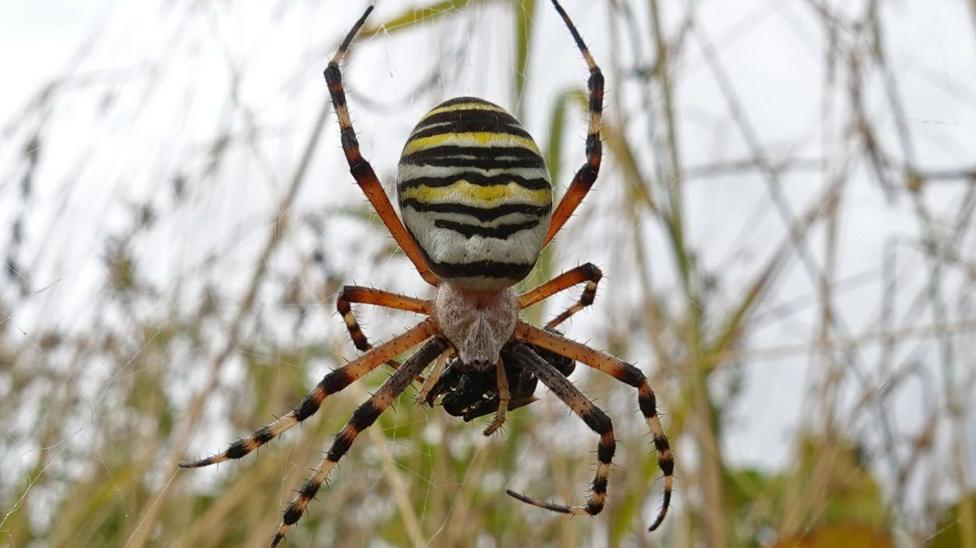
Rosemary Winnall, from the Wyre Forest Study Group, which documents the wildlife and ecology of the forest in Worcestershire, welcomed the arrival of the wasp spider and other new species to the region. The group has already recorded several additional arrivals, including the willow emerald damselfly, the southern oak bush cricket and the purple emperor butterfly. Other recent arrivals include the impressive western conifer seed bug and the box bug.
Are all species benefiting from warmer weather?
While many species have thrived in the warmer conditions, others have experienced significant declines. Butterflies that favour sunshine, such as the holly blue and the pearl-bordered fritillary, have benefited from the increased heat. The pearl-bordered fritillary was once "very widespread" but had undergone rapid decline in recent decades before showing signs of recovery.
However, not all insect populations have fared well. The once-common small tortoiseshell butterfly is now rarely encountered, and sightings of the two-spot ladybird have become considerably less frequent. These contrasting trends underscore the complex ways in which environmental change affects different species.
"We are encouraging folk to record the common species of today as they may be the rarities of the future," Winnall said.
How can the public contribute to monitoring efforts?
Butterfly Conservation is actively encouraging members of the public to report hummingbird hawk-moth sightings to the National Moth Recording Scheme, which continues to accept observations throughout the season. Such records provide valuable data for understanding population trends and the impacts of climate change on insect distributions across the UK.
Benwell emphasised the broader significance of these changes, noting that numerous species absent from the region two decades ago have now become quite abundant. These shifts reflect the ongoing influence of warming temperatures on the distribution and abundance of wildlife across Britain, with implications for conservation planning and ecological understanding in the years ahead.