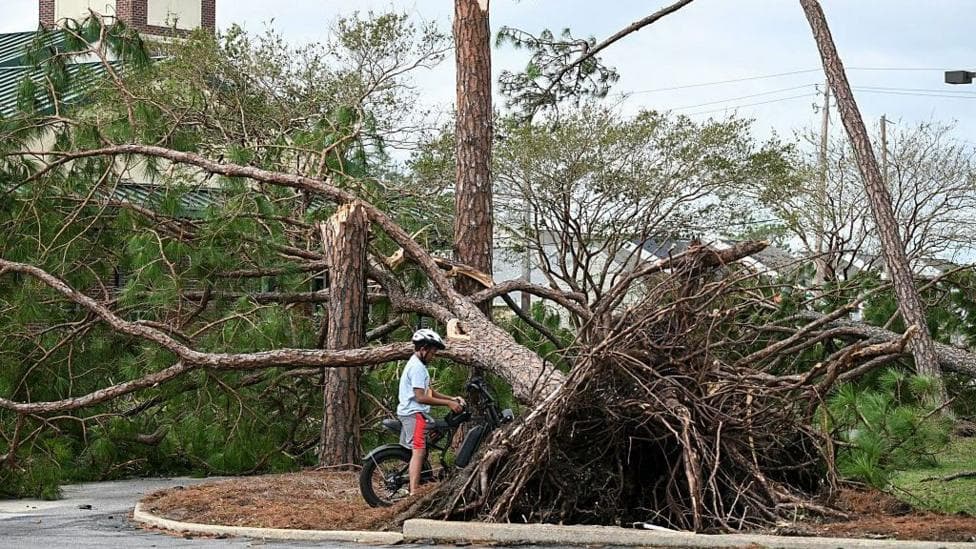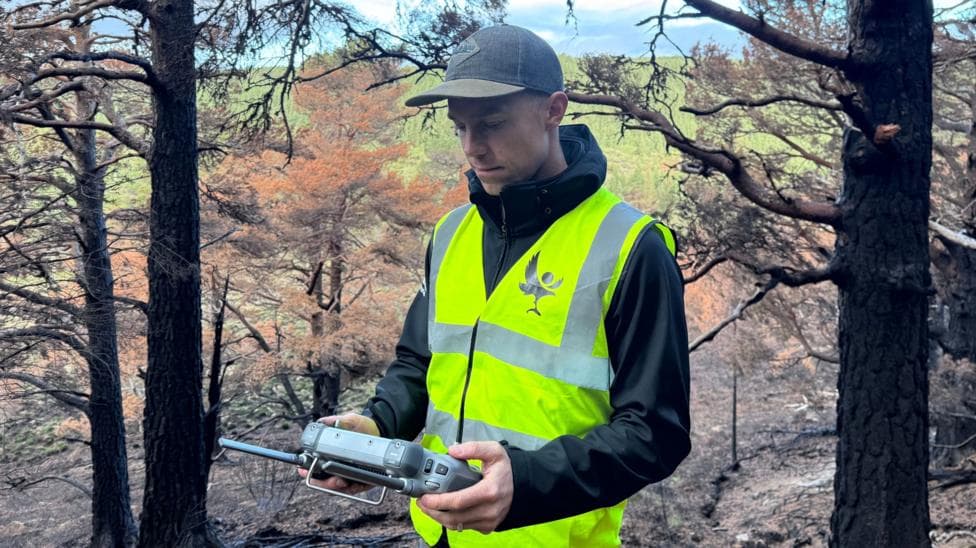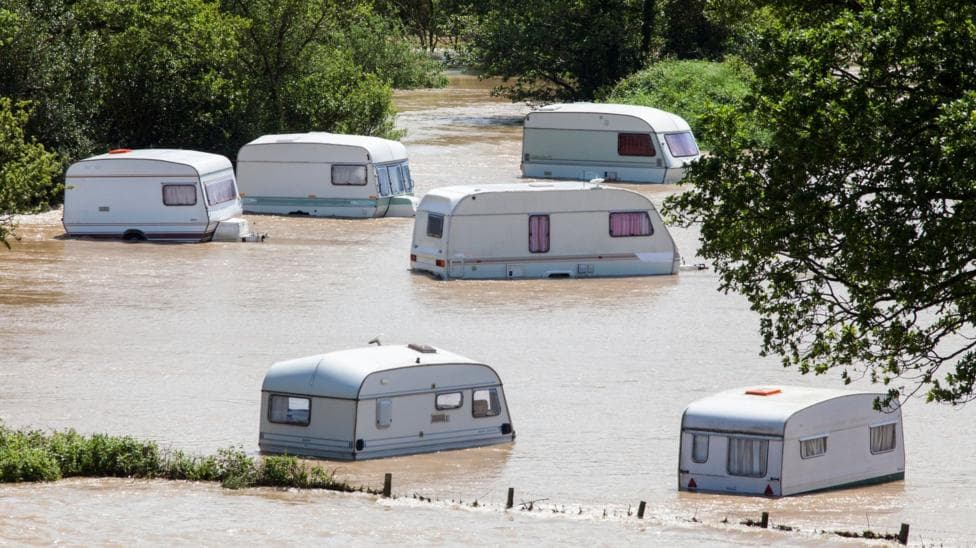
Communities across Wales face heightened flood danger as autumn approaches, with officials warning residents to prepare for severe weather that could strike with little notice. Natural Resources Wales (NRW) has expressed concern over long-range forecasts indicating wetter and windier conditions than usual over the coming months, while one in seven properties in the country remains classified as at risk of flooding.
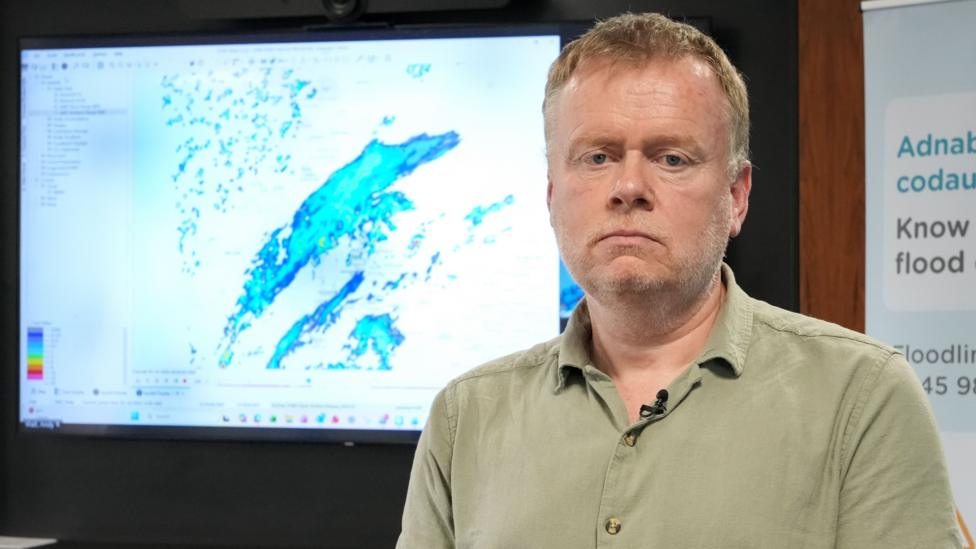
The alert comes after a summer dominated by drought and wildfires, prompting NRW to caution against complacency as conditions can shift rapidly. Wales has experienced a succession of devastating floods in recent years, including Storm Dennis in 2020, followed by Storms Bert and Darragh in 2024, and most recently Storm Claudia in November 2025. The threat emerges from multiple sources: swollen rivers, coastal surge, and surface water flooding when local drainage systems become overwhelmed during intense rainfall.
More than 274,500 homes and businesses currently face flood risk, a figure expected to rise substantially by the end of the century. Wales's geography amplifies its vulnerability, with an extensive coastline and numerous fast-responding rivers that swell rapidly as water cascades off steep terrain in areas such as the south Wales valleys.
Why is signup for flood warnings so low?
Despite the clear danger, uptake of flood alert services remains disappointingly low. NRW's flood warning system can reach 181,158 properties across Wales, yet only 48,844 have registered to receive alerts by phone or email—just 27% of those eligible. Jeremy Parr of NRW acknowledged the figure is concerning, suggesting that misconceptions about insurance implications may be deterring people from signing up.
"Time and time again" the organisation was told by people who had experienced devastating flooding that "they'd never flooded before, and didn't think it would happen to them,"Parr explained. He urged residents to confront the possibility directly:
"people need to think the unthinkable really - or the unpleasant - and [consider] if it were to flood around where I live, what would I do?"
What happened during Storm Claudia?
The November 2025 flooding in Monmouth demonstrated the ferocity of Wales's flood risk. The River Monnow rose to 18 times its normal level, overwhelming the town's flood defences and leaving a trail of destruction. According to a local authority investigation, 233 homes and 109 commercial properties were flooded internally, with a further 61 affected externally.
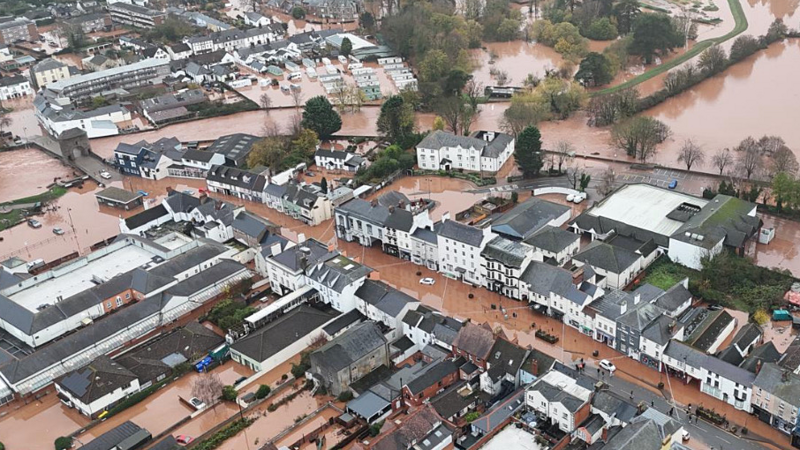
Residents who lived through the event described scenes of devastation. Malcolm Butcher, 82, who has spent his entire life in Monmouth, recalled the moment the flood struck:
"At 2:30 in the morning when it hit it was unbelievable... absolutely raging."He noted that had the flooding occurred during daylight hours,
"people would have died."On his street alone, 18 vehicles were destroyed, including his own, while every house behind his was inundated.
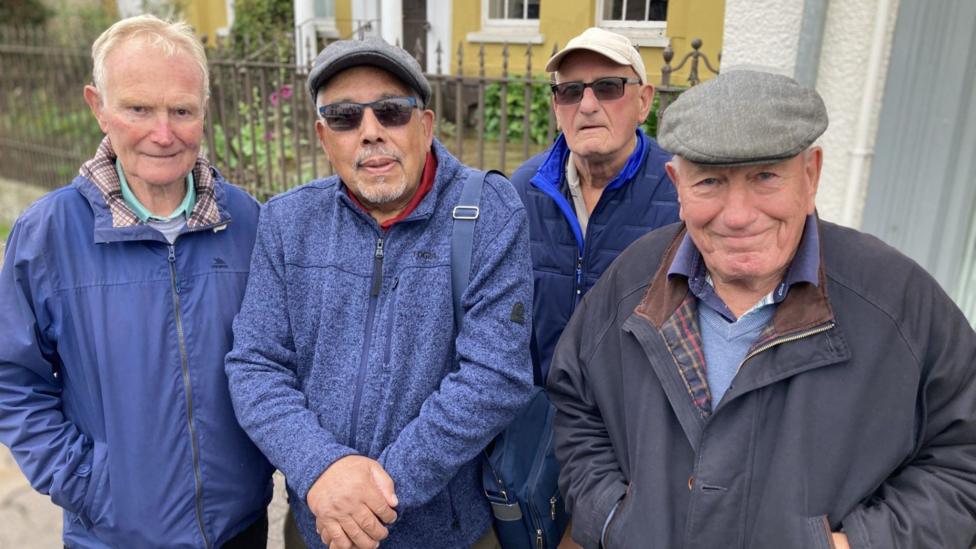
Imogen Elliot, also 82 and a lifelong resident, described the scale of the inundation:
"Waitrose was four feet in water and it went right up the street - we've had flooding before but not like that."Butcher expressed ongoing concern about Monmouth's vulnerability, noting
"we have three rivers running into Monmouth... and the winters are changing."
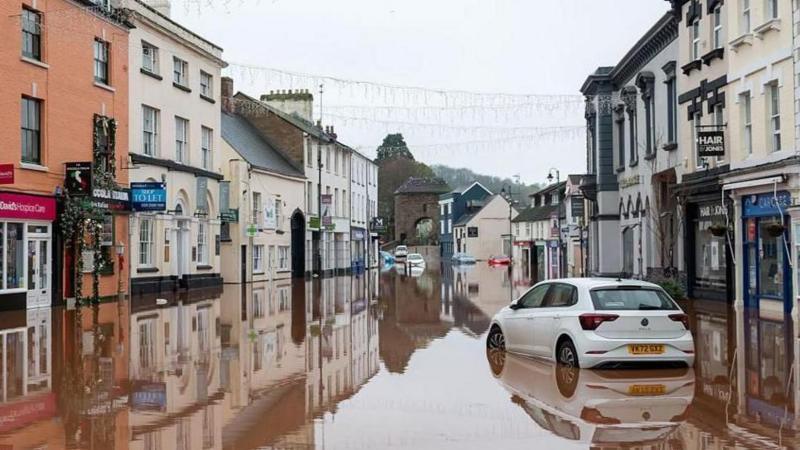
According to the Monmouthshire County Council's Section 19 investigation, between 50 and 75 millimetres of rain fell across large areas of east Wales during the storm, with 75 to 100 millimetres recorded in some localities. The investigation has recommended reviewing the timing of severe flood warnings and the effectiveness of Monmouth's existing defences, and proposes installing a new river gauge upstream of Rockfield to improve early warning capability.
How are communities preparing?
Some residents and local leaders are taking proactive steps to build resilience. Jane Roche, who operates a café and fishmongers on the banks of the River Teifi in Cardigan, Ceredigion, has helped coordinate a community flood plan for the area.
"Flooding is something we've learned to live alongside for many years - we've seen first-hand the disruption it can cause for businesses, residents and visitors,"she said.
"Developing a community flood plan has brought local people together, helped us understand what actions we need to taken when warnings are issued and given us confidence to support one another when severe weather is forecast."
Cardigan's mayor, Olwen Davies, has invested in personal flood protection, installing a flood door and gate at her own property.
"The river comes up once or twice a year... if there's a high tide, with a strong south-westerly wind that's what creates the most havoc,"she explained.
"We work together and we know who to call on."
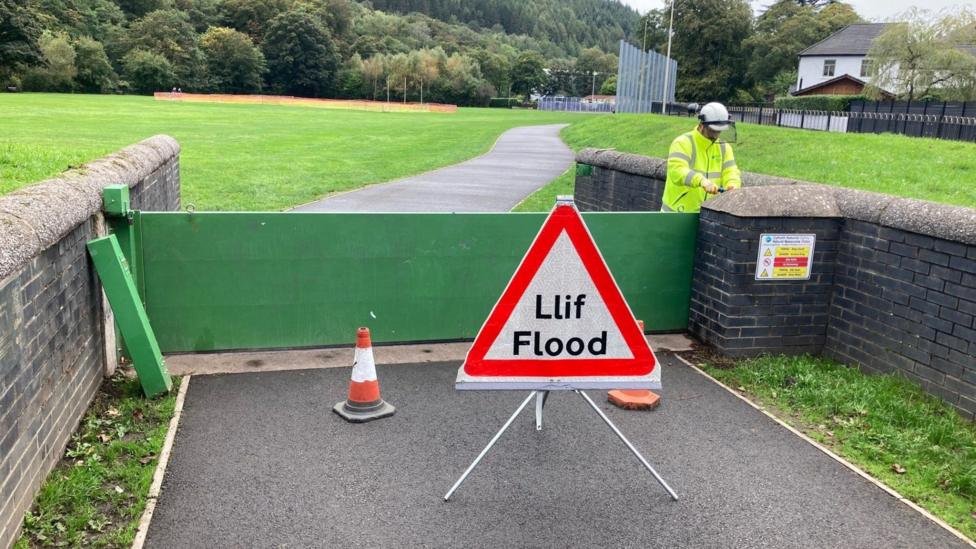
Malcolm Butcher suggested practical measures residents can adopt: moving valuable items upstairs and keeping sandbags readily available before severe weather arrives.
"It's not back to normal yet but we're getting there,"he said of Monmouth's recovery.
What is driving the autumn flood risk?
Climate change is expected to bring more frequent and intense weather extremes to Wales, with wetter and wilder winters becoming increasingly common. This year, scientists are monitoring an El Niño event over the Pacific Ocean, which is forecast to be the strongest in living memory. This powerful natural climate phenomenon elevates global temperatures and can amplify the risk of extreme weather events. While such patterns do not automatically guarantee severe UK weather, Jeremy Parr of NRW described it as
"part of the picture"contributing to concerns about the coming months.
Sarah Davies from the Met Office cautioned that long-range forecasts for October, November and December suggest
"a greater chance of weather-related disruption."However, she noted that
"weather patterns can change quickly at this time of year, and long-range forecasts describe broad seasonal trends rather than the timing, location and severity of individual weather events."
What can people do to prepare?
NRW advises residents to take several concrete steps. The first is to check individual flood risk by postcode through the organisation's online tool. Second, people should register for flood warnings to receive alerts by phone or email. Third, they should familiarise themselves with advice on what to do if flooding is forecast in their area.
Parr acknowledged the limitations of flood defences:
"We do invest in flood defences... but you can't stop all of the flooding all of the time."This reality underscores why personal preparedness is essential.
What happens next?
According to Monmouthshire County Council and NRW, the organisations will work with affected communities and stakeholders to translate the Section 19 investigation's recommendations into practical action. Additionally, NRW's annual Be Flood Ready campaign is scheduled to run from 12 to 16 October 2026, encouraging people to check their risk, register for warnings, and prepare for potential flooding.
Key Facts
- One in seven properties in Wales is classified as at risk of flooding, with more than 274,500 homes and businesses currently affected
- Only 27% of properties eligible for flood warnings are currently signed up to receive alerts, despite NRW's warning system reaching 181,158 properties
- Storm Claudia in November 2025 flooded 233 homes and 109 commercial properties internally in Monmouth, with a further 61 affected externally
- The River Monnow rose to 18 times its normal level during Storm Claudia, with 50–100 millimetres of rain recorded across east Wales
- Climate change is expected to increase the frequency and intensity of extreme weather in Wales, with El Niño conditions adding to autumn flood risk