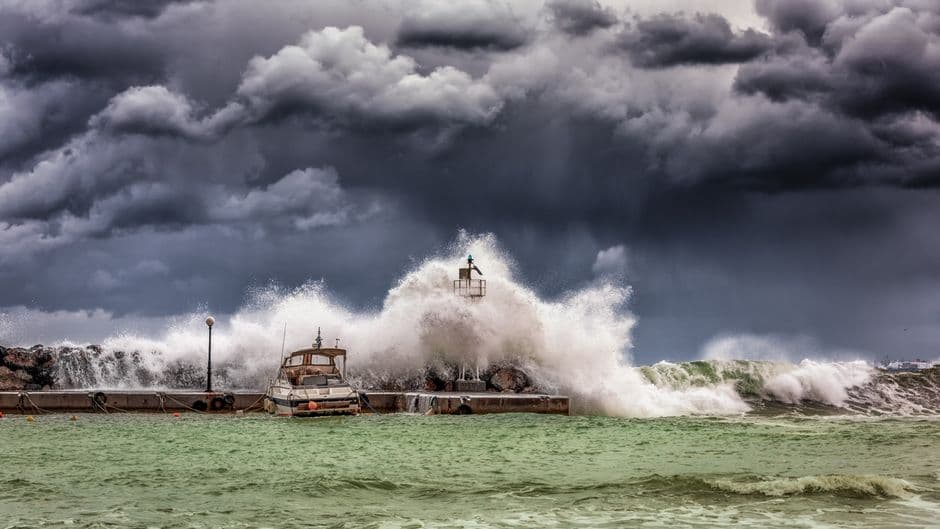
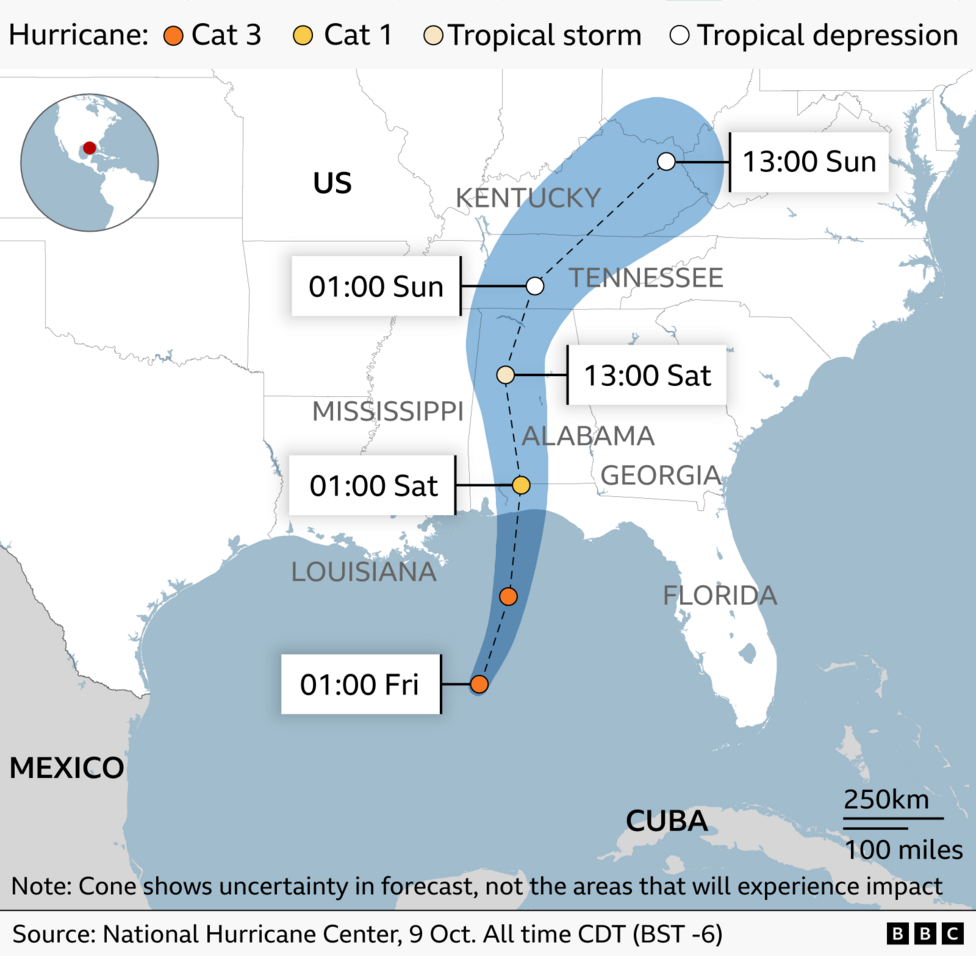
Hurricane Isaias claimed four lives and left hundreds of thousands without electricity across the southeastern United States after making landfall near Destin, Florida on late Friday with maximum sustained winds of 105 miles per hour (169 km/h). The storm subsequently weakened to post-tropical cyclone status as it moved inland, but continued to pose significant hazards through heavy rain, powerful gusts and widespread flooding that prompted emergency officials to warn residents against driving through flooded roadways.
Power outage totals exceeded 858,000 customers on Saturday morning, according to reports tracking power disruptions, with 436,147 customers in Florida, 297,684 in Alabama and 95,162 in Georgia affected. By Saturday afternoon, the figure had declined to more than 679,000 as recovery crews began clearing debris and restoring electricity, though some Alabama emergency operations centres were relying on generators or experiencing communications disruption.
Ahead of the storm's arrival, Alabama, Florida and Georgia all declared states of emergency. Both Florida and Alabama issued mandatory evacuation orders affecting thousands of residents in vulnerable areas. Isaias marked the first hurricane of the 2026 Atlantic season, arriving unusually late in the year—one of only two on record to form in October, tying a record set on 8 October 1905.
Deaths and injuries across affected states
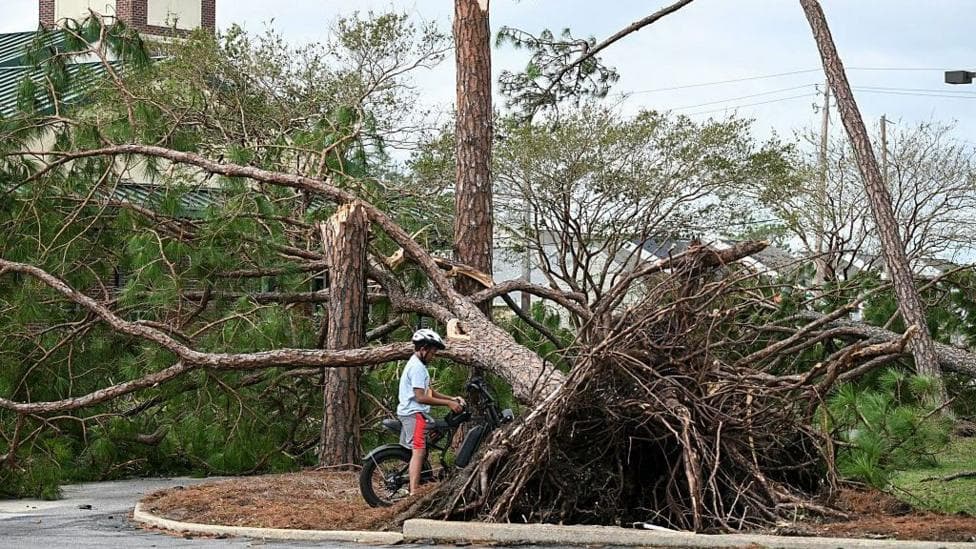
Two fatalities occurred in Florida's Escambia County. A woman died when a tree fell through her house, according to local Sheriff Chip Simmons. Joey Williams recounted the tragedy to a news outlet, describing how he and his wife had ventured outside to photograph the storm damage.
I was able to squeeze out. My wife didn't make it,he said after a tree crashed through their roof, trapping both of them inside.
A second death in Escambia County resulted from carbon monoxide poisoning. Sheriff Simmons reported that a man died after operating a generator inside a garage that lacked proper ventilation. Four members of that person's family—aged 72, 24, five and four—were hospitalized with non-life-threatening injuries from carbon monoxide exposure.
In Alabama, Governor Kay Ivey confirmed two deaths.
Unfortunately, we have also learned that two Alabamians have lost their lives,she stated in a post on X. One fatality was identified as a person killed when a tree fell on a home in Birmingham, while the circumstances of the second death remained unclear. A sheriff in the state sustained injuries when a tree fell on him while he was responding to a vehicle accident.
Governor Ron DeSantis warned residents about the dangers of improper generator use.
Don't run any generators inside your home, it can be very, very hazardous,he said in a press conference.
Rescue operations and flooding threats
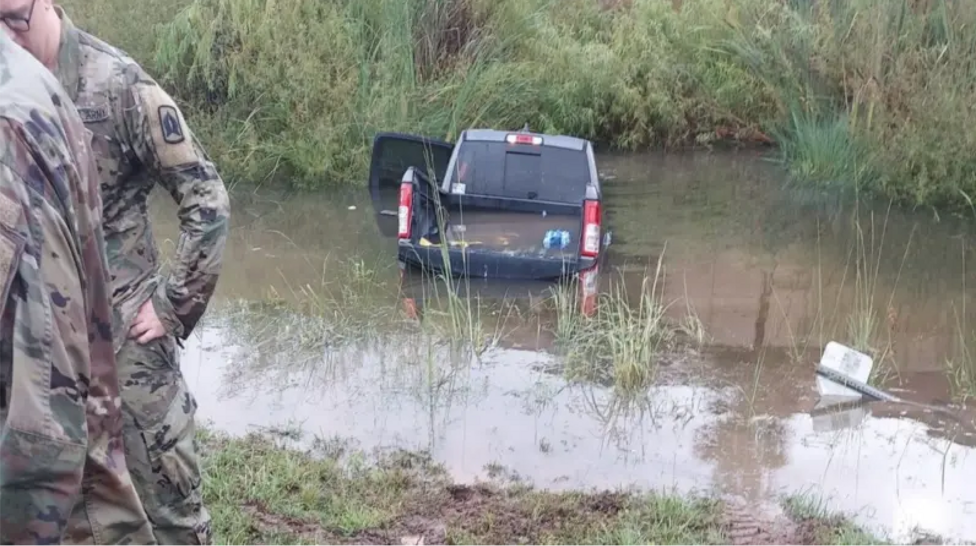
Emergency responders conducted multiple water rescues as floodwaters inundated roadways and low-lying areas. The Florida National Guard shared images on X of a truck submerged in a flood ditch, noting that soldiers
stopped, swam to the vehicle and pulled its occupants to safety.
Jared W Perdue, secretary of Florida's state transportation department, urged caution during cleanup efforts.
Remember, there can still be flooding from rising rivers,he said at a news conference.
If there's standing water or flowing water on top of a road, please do not drive through it. It does not have to be that deep, and it can wash away your car, it can wash away a human, it can become very dangerous very quickly.
Florida Governor Ron DeSantis warned of ongoing flood risks, describing the situation as
very hazardous. In Charleston, South Carolina, city officials urged residents to remain indoors on Saturday night as high tide was forecast to reach 7.5 feet (2.3 metres).
After dark, floodwater is much harder to see, and it's impossible to judge how deep it is from behind the wheel,the city stated on Facebook.
Governor Ivey of Alabama expressed concern about
spinoff tornadoesdeveloping from the storm's strong winds and heavy rainfall. She advised residents to
make sure you have reliable information as conditions developas the weekend approached. The National Hurricane Center warned there would still likely be
considerable impactsassociated with Isaias across much of southern Alabama, Florida's panhandle and southwestern Georgia, with a risk for tornadoes persisting through Saturday afternoon across parts of the eastern Florida panhandle, Georgia and the Carolinas.
Broader impacts and recovery efforts
The National Oceanic and Atmospheric Administration (NOAA) warned that the Carolinas and Georgia faced potential flooding from significant rainfall as Isaias continued northeastward and weakened. Through Sunday, the storm was expected to produce rainfall amounts of 4 to 8 inches across southern Alabama, Florida's panhandle and Big Bend regions, and southwestern Georgia, with localized totals up to 15 inches possible, particularly within rain bands across the Florida panhandle and Big Bend. Across much of the remainder of the Southeast, rainfall amounts of 2 to 5 inches were expected, with localized higher amounts up to 10 inches possible, especially across the southern Appalachians and coastal Carolinas.
Residents in affected areas described their experiences during the storm. Tim Mowry, who endured the hurricane in Pensacola, Florida, told the Associated Press that the maximum sustained winds sounded like
a train whistle. He said he lost power on Friday afternoon but could rely on a generator, and that his son had to turn around while driving to his home after encountering downed trees and power lines blocking the road.
All things considered,Mowry said he was
really fortunatewith respect to how he fared during Isaias.
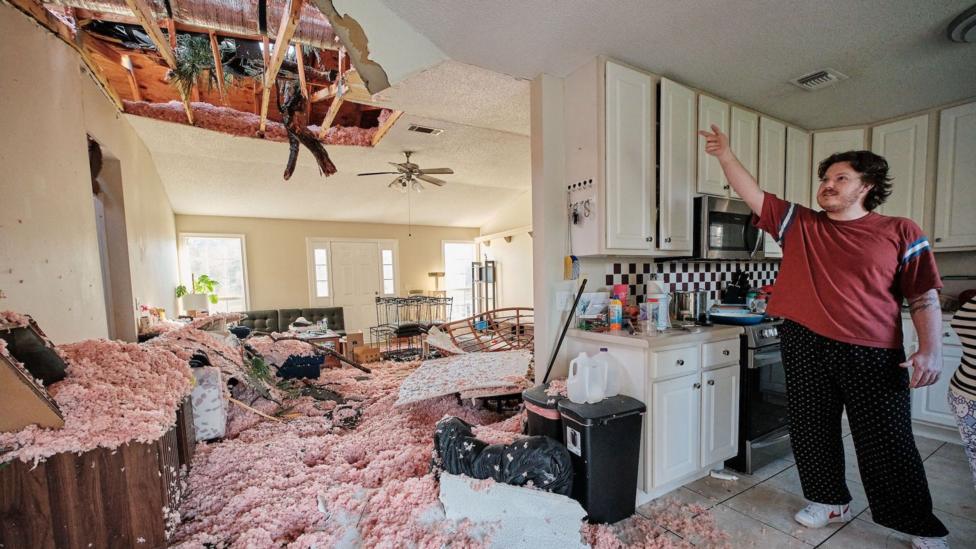
Ashley Weeks, a resident of Crestview, Florida, described how a tree from her backyard fell on top of her house, damaging the roof near her daughter's bedroom and turning the ceiling into piles of debris.
It was just scary – everything, my whole life is in the house,Weeks said.
We heard a loud … like a bomb went off in the house. It was so loud. And I got up and [saw] the tree through the roof, and it was – freaking out.
Unusual timing and seasonal context
Isaias's formation in October marked a stark contrast from historical trends and seasonal forecasts. The National Oceanic and Atmospheric Administration had predicted a quiet year in terms of hurricanes at the beginning of the season that officially begins on 1 June, anticipating between three and six hurricanes—well below the average of seven. An August forecast from NOAA cut the expected number to between two and six, attributing the quieter season partly to El Niño conditions in the Pacific that delayed hurricane development.
None of the eight previous named storms of the 2026 Atlantic season had intensified above tropical storm status before Isaias formed. The second-latest date for the first Atlantic hurricane on record was 11 September, occurring in both 2002 and 2013.
The storm arrived during an active period for Atlantic tropical weather. Tropical Storm Rachel was expected to reach southern California later on Saturday, while Hurricane Simon was forecast to strike the Pacific coast of Mexico on Sunday.
Key Facts
- Four deaths reported across Florida and Alabama, including fatalities from falling trees and carbon monoxide poisoning
- Power outages exceeded 858,000 customers on Saturday morning, declining to more than 679,000 by Saturday afternoon
- Mandatory evacuations issued in Florida and Alabama before the storm's arrival
- Multiple water rescues conducted as floodwaters submerged vehicles and roadways
- Forecast rainfall of 4 to 15 inches threatened additional flooding across the Southeast through Sunday
- Isaias was only the second hurricane on record to form in October, tying a record from 1905