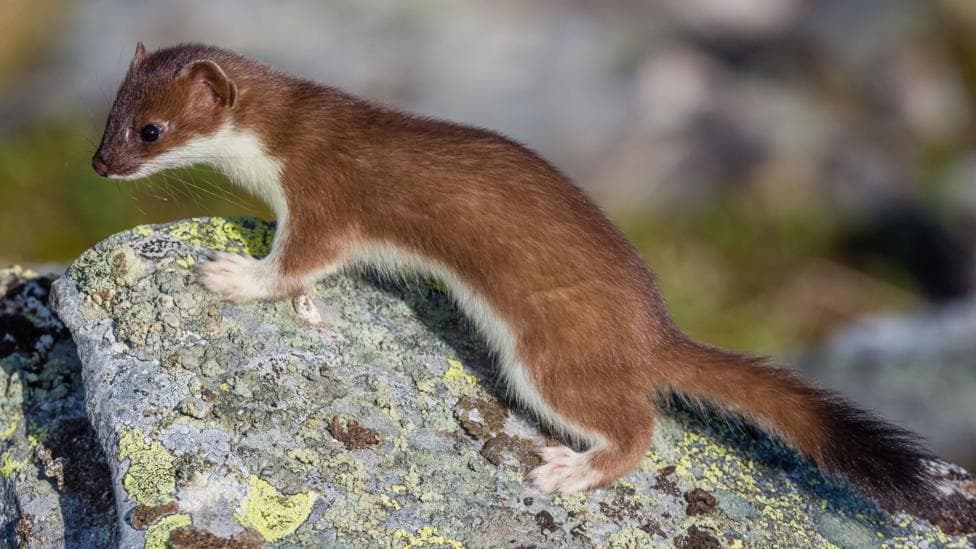
A solitary stoat has been successfully removed from Rousay, an outer island in Orkney, following an intensive seven-month search operation. The animal, which is not native to the archipelago and classified as invasive, was first detected in May and finally trapped on Friday near the Loch of Loomachun. The Orkney Native Wildlife Project (ONWP) confirmed the creature was male, consistent with earlier DNA analysis.
Stoats have no natural presence in Orkney and were first documented there in 2010. The discovery on Rousay marked the first confirmed sighting of the species on any of the outer islands, representing a significant development in the ongoing battle against invasive predators. The ONWP, which operates a £15m eradication scheme launched in 2019, has already removed thousands of stoats from the Orkney mainland.
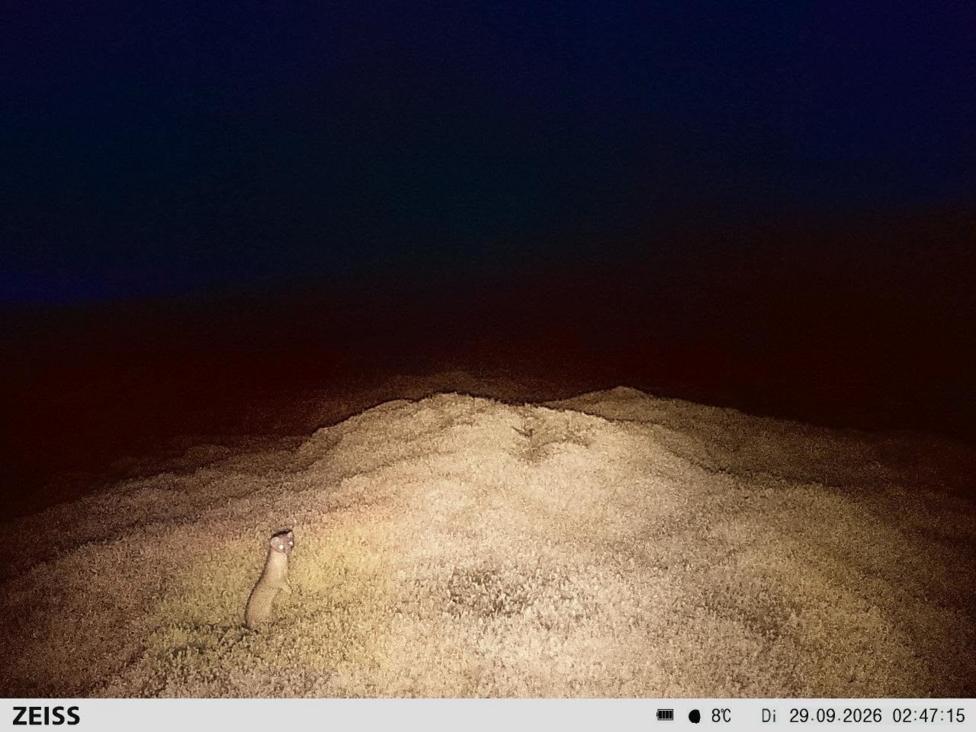
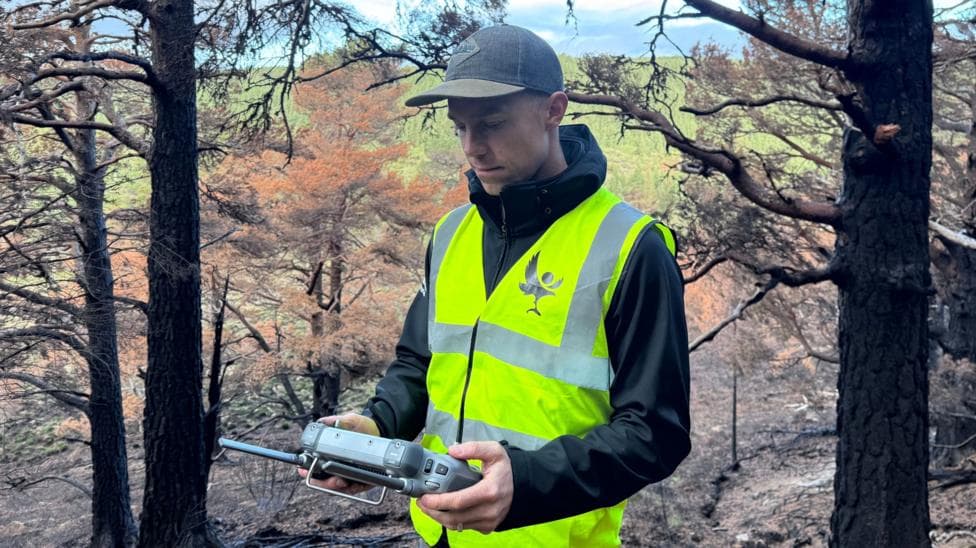
The capture operation deployed an array of sophisticated techniques to locate and contain the animal. Trappers used targeted trapping methods, dog searches, artificial intelligence-assisted trail cameras, and various monitoring tools, supported by trained community volunteers. According to local reporting, the search had deployed 229 traps and 59 cameras across Rousay before the final capture, with the latest sighting prior to the trap occurring on 6 September.
Project officials expressed confidence that the trapped animal was the sole stoat present on the island. Examination findings and the absence of any evidence indicating female stoats or an established breeding population on Rousay support this assessment. The ONWP stated it was "increasingly confident" that the incursion was limited to a single individual.
Why was the response so intensive?
The discovery of a stoat on an outer island triggered an urgent and costly response because of the catastrophic threat these predators pose to Orkney's native wildlife. According to RSPB Scotland, stoat eradication efforts have already yielded remarkable results: Orkney vole activity has increased by 200%, and nesting success on islands where stoats were being removed rose from 36% in 2019 to 82% in 2023. These gains would have been jeopardised if a breeding population had become established on Rousay.
The financial commitment underscores the seriousness of the threat. According to reports from June, NatureScot approved an additional £148,790 to fund the Rousay response, covering extra staff, equipment, and vehicles needed to contain the incursion.
How did the stoat reach the island?
The precise route by which the stoat arrived on Rousay remains unclear. However, the ONWP noted that the island lies within swimming distance of the Orkney mainland—approximately 1.8 miles (3 kilometres) away—making it plausible that the animal either swam across or was inadvertently transported by human activity.
What happens next?
Although the stoat has been captured and removed, the work is far from complete. Monitoring will continue for two years before Rousay can officially be declared stoat-free. According to the project's eradication plan, this extended surveillance period is designed to detect any signs of activity that might indicate additional animals. Should such evidence emerge during monitoring, the project will investigate and remove any stoats found.
Alice Head-Rapson, an ONWP trapper, reflected on the operation's significance:
This incursion response was a test of our skills, but everybody at the project stepped up to meet the moment. It's still important we guarantee with complete confidence that the stoat we've trapped was the only one, but our achievement here is a big deal and we hope that will help to keep nature safe across all of Orkney. Working with the island community has been a privilege, and we're really grateful for all the support the volunteers there have shown for native wildlife.
The successful capture on Rousay demonstrates the ONWP's capacity to respond rapidly to invasive species threats beyond the mainland. The project is currently in its "mop-up" phase, focused on removing the last remaining stoats from Orkney as part of its broader eradication strategy.
Key Facts
- The stoat was captured on Friday after being first spotted on Rousay in May, following a seven-month search involving 229 traps and 59 cameras
- Stoats are not native to Orkney and were first reported in the islands in 2010; the Rousay sighting marked the first confirmed incursion on any outer island
- The Orkney Native Wildlife Project has removed thousands of stoats from the mainland as part of a £15m eradication scheme established in 2019
- Stoat removal has already boosted native wildlife recovery, with Orkney vole populations rising 200% and bird of prey nesting success increasing from 36% to 82% on treated islands
- Two years of monitoring will follow before Rousay can be officially declared stoat-free