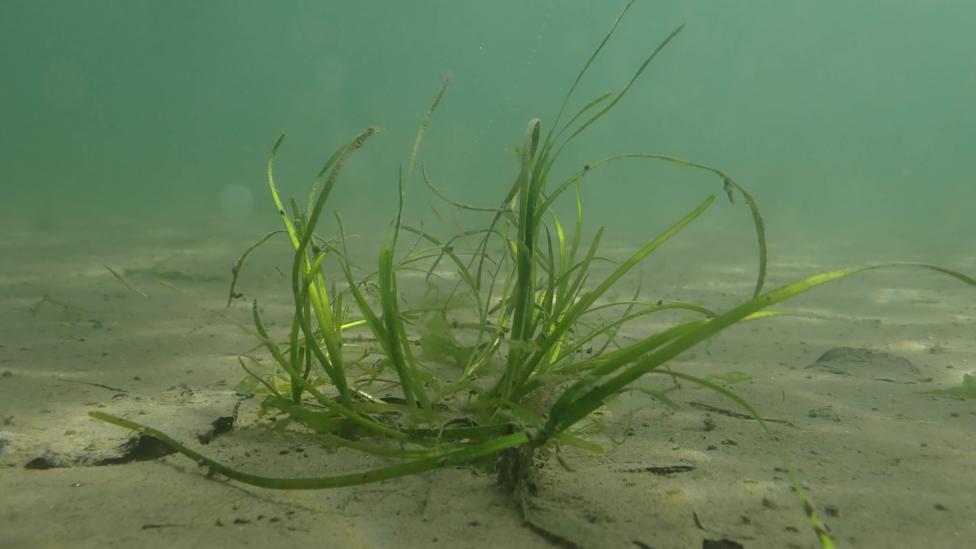
Seagrass is frequently likened to the sea's equivalent of a woodland, and more than 430 shoots have now been found in the Fowey Estuary, offering conservationists renewed confidence that one of the UK's most vital marine habitats can be restored to Cornwall's coastal waters. According to BBC News, the new growth was documented across 50 patches of seabed during summer surveys undertaken by Cornwall Wildlife Trust, marking a significant turnaround from earlier concerns about the project's viability.
The discovery is particularly striking given that only six seedlings had emerged by the end of April, raising doubts about whether the restoration initiative would succeed. Chloe James of Cornwall Wildlife Trust described the shoots as "hugely encouraging" following an "uncertain start to the spring". The project is part of Seeding Change Together, a partnership between Cornwall Wildlife Trust and Seasalt Cornwall that commenced in 2022.
Volunteers gathered seagrass seeds from a donor meadow in Torpoint during autumn 2025 before introducing them to the estuary. The seeds lay dormant beneath the seabed through winter before beginning their growth phase in spring. Cornwall Wildlife Trust reported that the Fowey trial employed a modified mud-injection technique, mixing seeds with mud from the restoration site before injecting the mixture into the seabed.
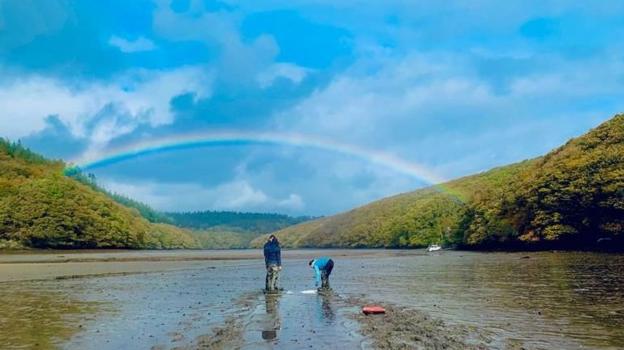
James reflected on the broader significance of the findings:
The new growth is a powerful reminder of why restoration work takes time, persistence and a willingness to keep learning.The project has expanded considerably from its initial focus on the Fal-Ruan nature reserve to encompass restoration sites in Torpoint, Fowey and the Helford Estuary.
Why does seagrass matter?
Seagrass provides shelter and nursery grounds for fish and other marine organisms, enhances water quality, sequesters carbon and mitigates coastal erosion. The trust emphasised that mainland Britain has lost up to 92% of its seagrass meadows over the past century. Research highlighted by the project found that seagrass could capture carbon up to 35 times faster than tropical rainforests, underscoring its significance in climate mitigation efforts.
How did the project begin?
Earlier work involved some of the trust's first attempts to restore seagrass meadows in Cornwall's estuaries, with volunteers collecting and planting thousands of seeds while researchers tested different restoration methods. In 2023, the first Fal Estuary trials produced seedlings across all three tested methods, with approximately 4,000 seeds collected for those initial trials. More recently, in 2025, native intertidal seagrass regrew in the Helford River for the first time in more than 40 years, demonstrating the potential for natural recovery when conditions improve.
What challenges has the project faced?
The restoration effort has not proceeded without obstacles. In the Helford Estuary, algal growth appeared to eliminate planted seedlings at one location, though three plants were subsequently discovered to have survived and had begun spreading. University of Exeter analysis of nine Helford Estuary sediment cores identified high carbon levels and confirmed the site as suitable for restoration.
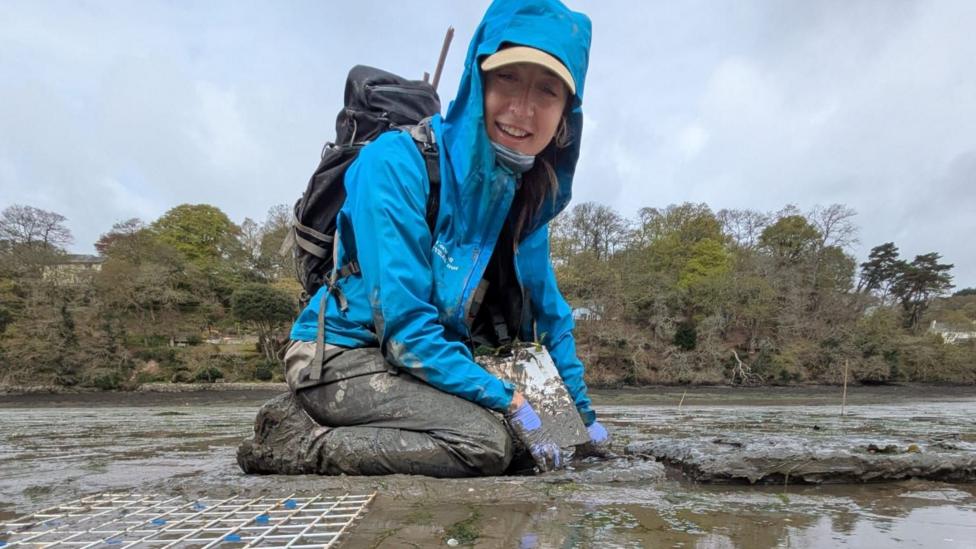
Beyond the Seeding Change Together initiative, broader conservation efforts are underway across the region. Similar protection measures have proven effective elsewhere in the UK—seagrass meadows off Dorset have recovered dramatically after eco-moorings replaced traditional boat anchors, with scarred areas shrinking by up to 93.6% in four years. In addition, a separate £1.8 million project to restore seagrass at a larger scale was announced in Cornwall in July 2026, signalling increased investment in these vital ecosystems.
What happens next?
The team intends to conduct another round of seed planting at both the Fowey and Helford estuaries, with monitoring scheduled for spring 2027. These ongoing efforts represent a long-term commitment to reversing decades of habitat loss and restoring the ecological functions that seagrass meadows provide to Cornwall's marine environment.