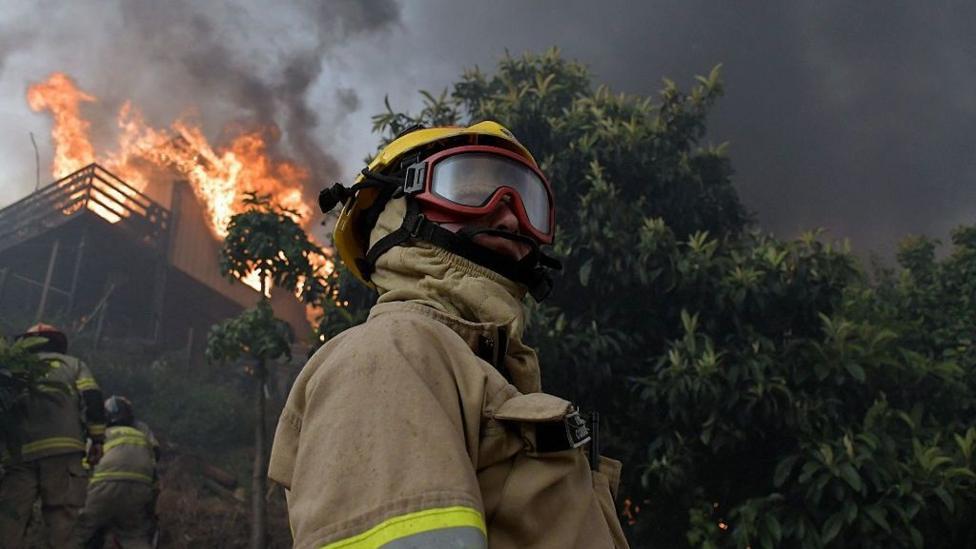
Extreme weather events are becoming more frequent and severe worldwide, driven by human activities including fossil fuel combustion. According to BBC News, in January 2026 alone, wildfires in Chile forced the evacuation of more than 50,000 people, illustrating the escalating impact of climate-driven weather extremes. Scientists now understand that even modest increases in average global temperatures produce substantial changes in the frequency and intensity of extreme weather phenomena.
Researchers employ sophisticated computer modelling to compare how extreme weather events develop under two conditions: today's climate with approximately 1.4°C of human-caused warming, and a hypothetical world without human influence. This methodology allows them to quantify the degree to which climate change has intensified specific heatwaves, storms, or droughts.
How are heatwaves becoming more dangerous?
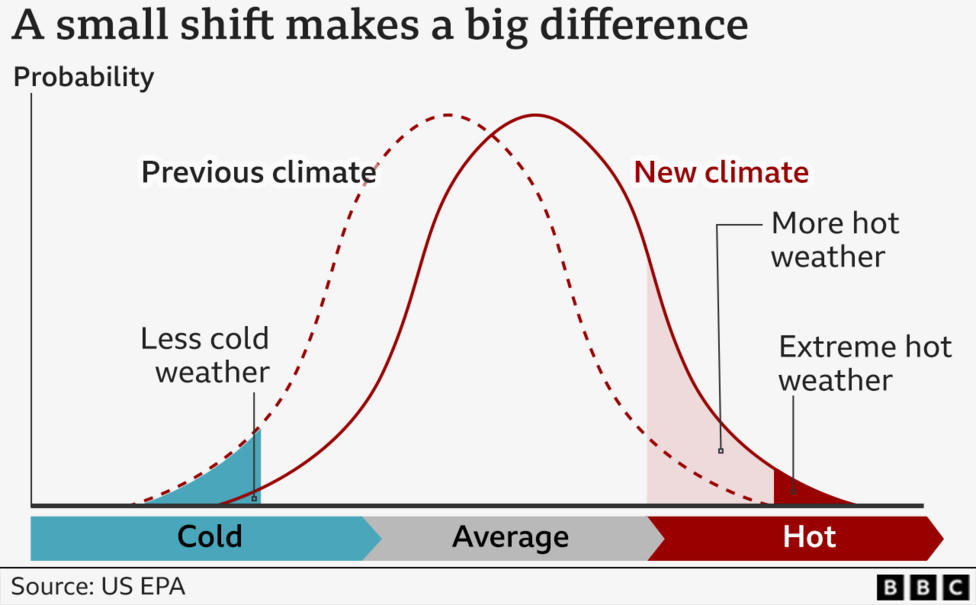
Heatwaves are intensifying because even marginal shifts in average temperatures substantially increase the likelihood and severity of heat extremes. As the distribution of daily temperatures shifts toward warmer levels, exceptionally hot days occur more frequently and reach higher peaks.
The United Kingdom experienced its hottest summer on record in 2026, with five widespread heatwaves producing 40 days exceeding 30°C (86°F). The Met Office determined that climate change made this exceptional summer 130 times more probable than it would have been in a pre-industrial climate. Dr Mark McCarthy, Head of Climate Attribution at the Met Office, characterised summer 2026 as "remarkable" and cautioned that such extreme heat events would intensify as global temperatures continue rising. The UK's summer 2026 mean temperature reached 16.5°C, the highest in records extending back to 1884, according to BBC Weather.
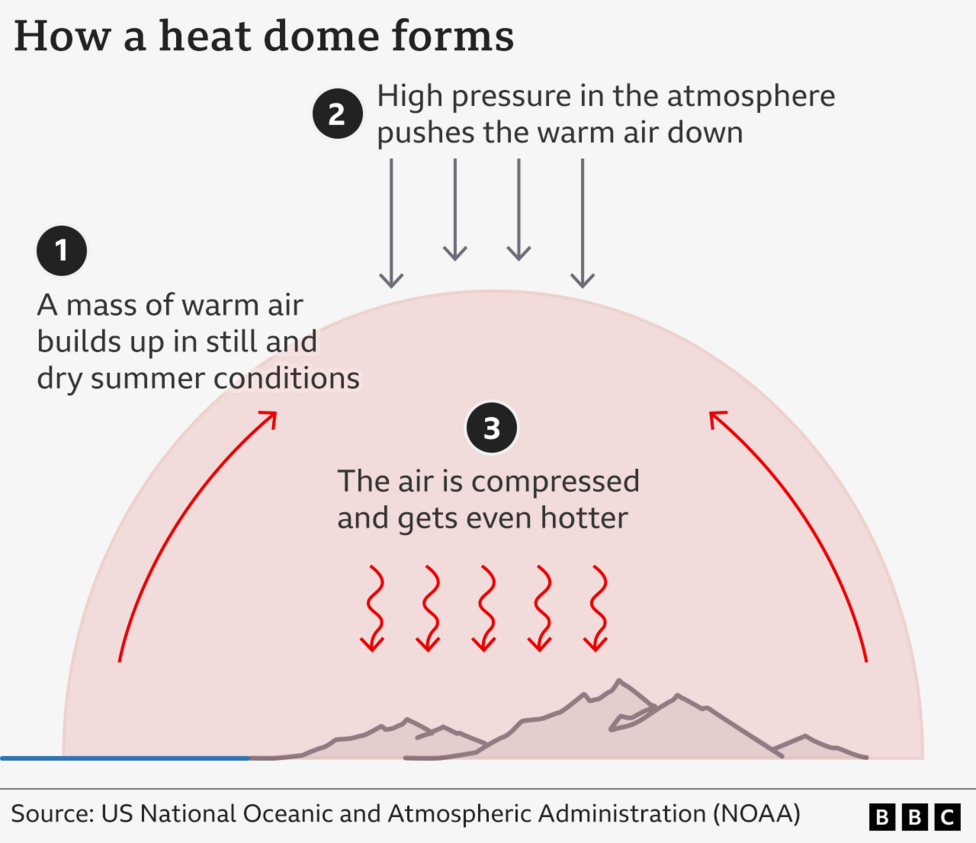
Climate change has also amplified multiple heatwaves across the globe during 2026. The World Weather Attribution group documented Australia's most severe heatwave in six years during January, India's 45°C temperatures in April, and Europe's deadly June heat. These events reflect a broader pattern: higher Arctic temperatures, which have warmed nearly four times faster than the global average, may be disrupting the jet stream—the fast-moving band of winds high in the atmosphere. One hypothesis suggests this disruption makes heat domes more probable, though the mechanism remains uncertain. Heat domes form when a region of high atmospheric pressure remains stationary over an area for extended periods, trapping hot air beneath it.
The UK's experience reflects a broader European crisis. Europe has faced record-breaking heatwaves as climate warms rapidly in 2026, with unprecedented temperatures breaking numerous records across the continent in May and June.
Why is rainfall becoming heavier?
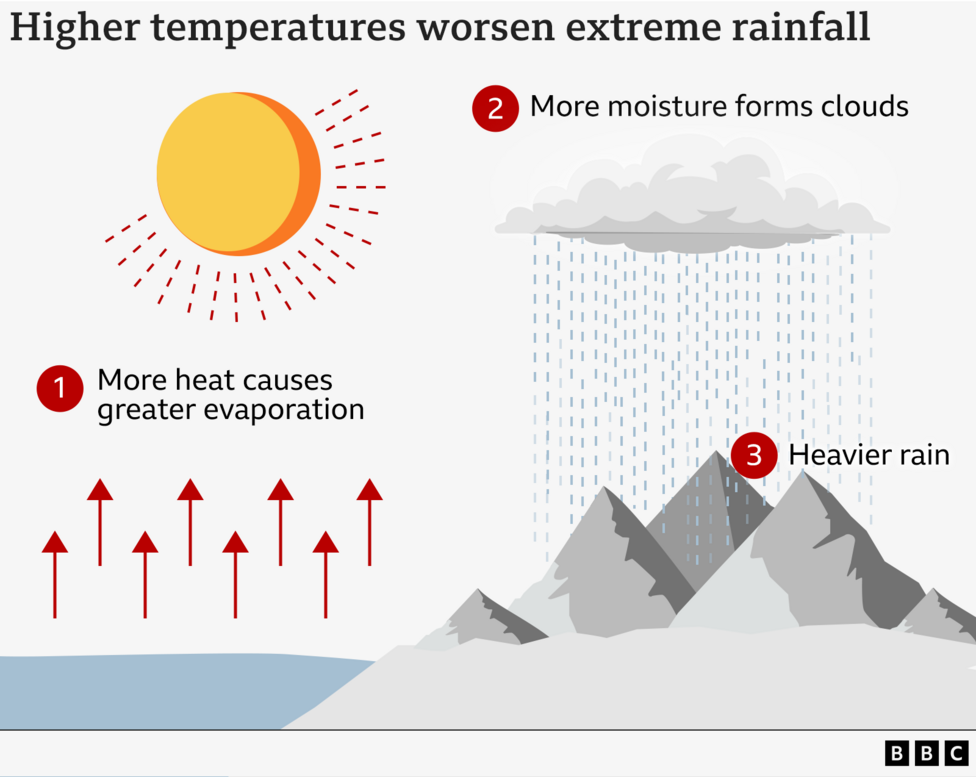
Warmer air holds significantly more moisture. For every 1°C increase in air temperature, the atmosphere can retain approximately 7% additional moisture. This increased atmospheric moisture enables rainfall to become more intense when precipitation occurs.
UK winters during the decade from 2016 to 2025 were 13% wetter than the period between 1961 and 1990, according to the Met Office. However, scientists caution that substantial year-to-year variation in rainfall makes drawing firm conclusions from a single decade problematic. Globally, the UN's climate body, the Intergovernmental Panel on Climate Change (IPCC), confirms that heavy rainfall events have become more frequent and intense across most land regions due to human activity.
Hurricane Melissa in October 2025 exemplified this trend, becoming one of the strongest hurricanes ever recorded in the Caribbean. Researchers from the World Weather Attribution group determined that climate change intensified the extreme rainfall associated with the storm by 16%.
How does climate change worsen droughts?
Attributing specific droughts to climate change presents challenges because multiple factors influence water availability. Natural weather systems such as El Niño can be decisive, as occurred during southern Africa's drought in early 2024. However, climate change is fundamentally altering global rainfall distribution patterns. While certain regions receive increased precipitation, others are becoming progressively drier and consequently more susceptible to drought.
Climate-driven heatwaves intensify existing dry conditions by accelerating evaporation from soil and vegetation. This process causes the air above to warm more rapidly, generating additional heat intensity. During hot periods, agricultural demand for water surges, placing additional strain on already-stressed water supplies.
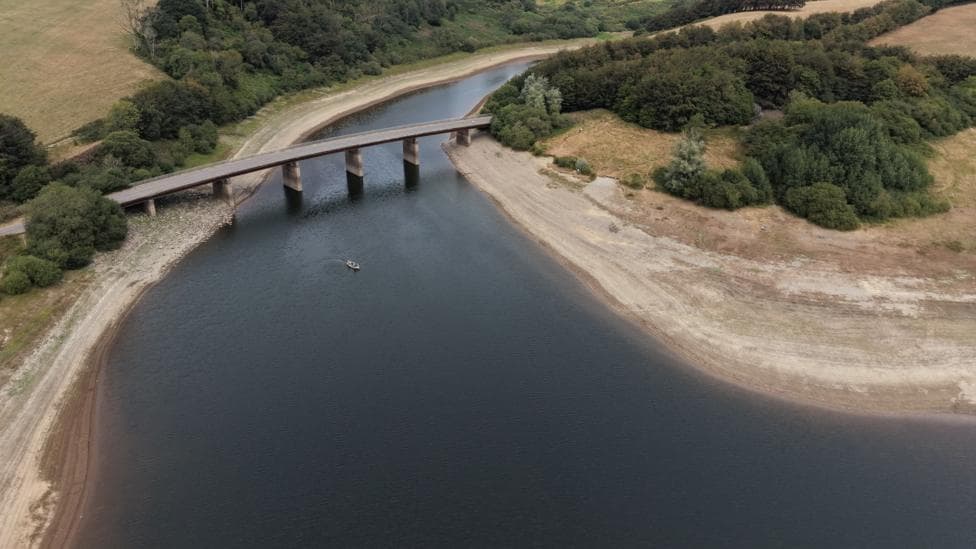
Europe experienced severe drought conditions throughout summer 2026. The EU's Joint Research Centre reported that climate-driven heatwaves worsened drought across the continent, causing four major rivers—the Loire, Po, Rhine, and Danube—to reach record low levels. The Danube fell to its lowest levels in 30 years in several countries, according to BBC News. Drought was declared across all of Wales and two-thirds of England, with the highest category—"severe drought"—being invoked for the first time in parts of southern England. England has now experienced three droughts in five years: in 2022, 2025, and 2026.
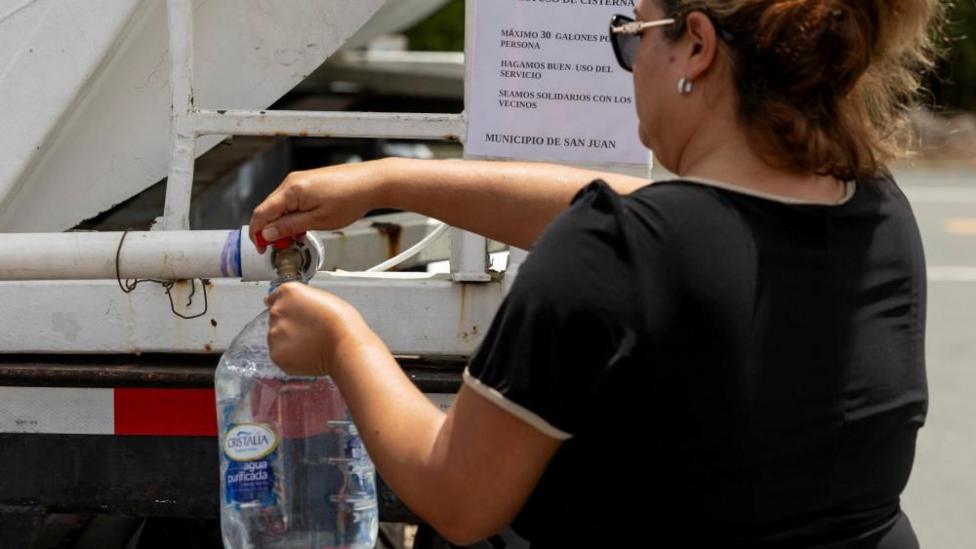
In the Caribbean, the World Weather Attribution group found that climate change intensified a severe drought affecting Jamaica and Puerto Rico from May 2026. Global warming made extreme dry conditions 40% more probable in Jamaica and 30% more probable in Puerto Rico. A drought in Puerto Rico led to water rationing in summer 2026. More broadly, over 45 million people in England are living in drought areas, with more than 27 million facing water-use restrictions, according to BBC News.
Why are wildfires spreading more rapidly?
Wildfires occur naturally across many regions, and determining whether climate change has caused or intensified a specific fire is complicated by other relevant factors, including changes in land use patterns. Nevertheless, the IPCC confirms that climate change is making the atmospheric conditions necessary for wildfires to propagate increasingly probable.
Prolonged extreme heat extracts moisture from soils and vegetation, creating tinder-dry conditions that provide abundant fuel for fires capable of spreading at extraordinary speeds, particularly when winds are strong. In January 2026, fires across Chile and Argentina resulted in 55,000 evacuations, with the burned area approximately 36% larger due to climate change, according to a global wildfire report.
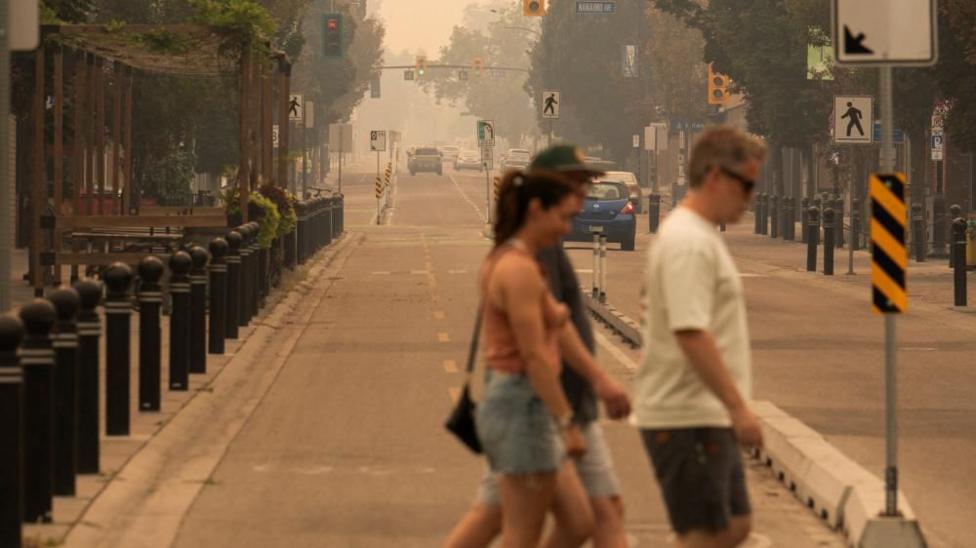
Canada experienced more than 5,000 wildfires during summer 2026, producing some of the worst air quality levels recorded globally in nearby cities. The World Weather Attribution group determined that climate change doubled the likelihood of conditions enabling these fires to spread. Indonesia has burned at least 895,657 hectares since January 2026 in its worst wildfire season since 2015; these fires have exposed millions to toxic haze and caused approximately 175,000 respiratory illnesses. France experienced more than 90,000 hectares burned in 2026, marking the country's worst wildfire year on record.
While many fires are initiated deliberately or accidentally by humans, rising temperatures may also increase lightning frequency in certain forests, potentially triggering additional fires. The combined effects of shifting land use and climate change mean extreme wildfires are projected to become more frequent and intense globally, according to the UN Environment Programme (UNEP). UNEP suggests the number of the most extreme fires may increase by up to 50% by 2100.
The United Kingdom recorded its second worst year for wildfires in 2026 after 2022, according to provisional data from the housing department. In Stourbridge, two fires destroyed 19 homes on the hottest day of the year. Fire and rescue services in England and Wales responded to nearly 1,000 wildfire incidents in 2025, a record at that time.
What developments lie ahead?
The World Meteorological Agency indicates that the strengthening El Niño is expected to persist until at least 2027, which may continue influencing global weather patterns and drought conditions. NOAA's October 2026 U.S. climate report is scheduled for release on 9 November 2026 at 11:00 a.m. EST, which may provide additional insights into ongoing climate trends.
India's monsoon rainfall was 13% below average in 2026, and a Pacific marine heatwave that formed in May 2025 had surface temperatures 3–4°C above average in late summer 2026, demonstrating the persistence of warming patterns across multiple ocean basins.