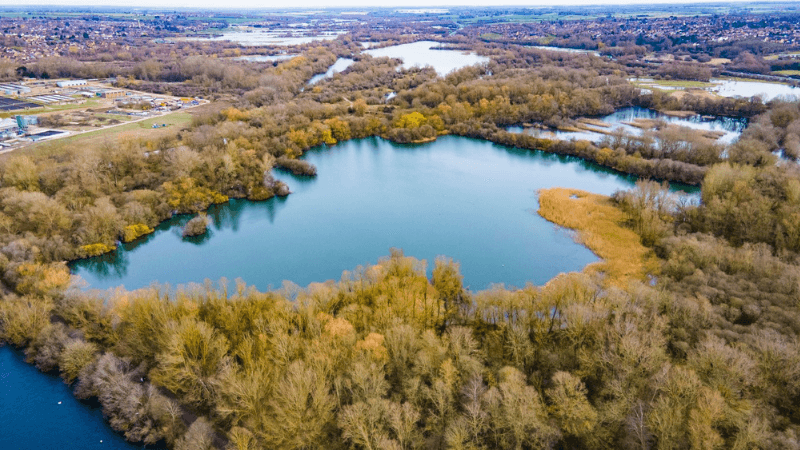
Damage inflicted on rare seahorse habitats by boat anchors off the Dorset coast is reversing rapidly, following the deployment of specially designed eco-moorings that prevent vessels from dropping traditional anchors into delicate seagrass meadows. A new scientific study provides the first evidence that this conservation approach works, with some scarred areas of seabed shrinking by more than 90% over four years.
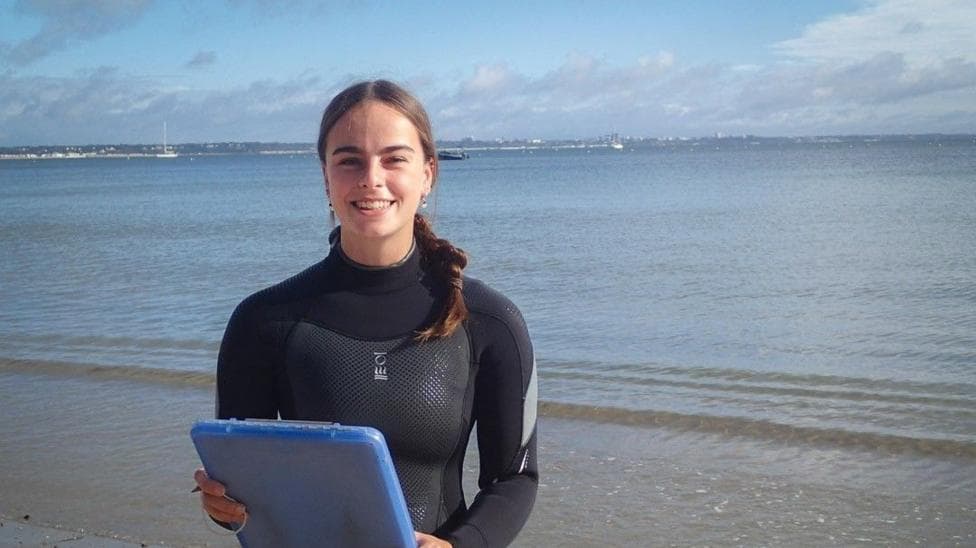
The Studland Bay Marine Partnership launched its eco-mooring initiative in 2021 with the installation of the first of dozens of moorings designed to protect the underwater habitat. Research conducted by Kira Dunn as part of her MSc in Marine Biology with Oceanography at the University of Southampton analysed five years of monitoring data to track recovery across 39 damaged areas of seabed.
How much has the seagrass recovered?
The recovery has exceeded initial expectations. In the area where 10 trial eco-moorings were installed in 2021, bare patches in the seagrass decreased by an average of 93.6% between 2021 and 2025, with each scar shrinking by approximately 57 square metres annually. In a second study area where traditional chain moorings remained until 2023, the scars reduced by 65.4%, equivalent to around 15.9 square metres per year.
Using sonar surveys, historical satellite imagery and five years of monitoring data, researchers tracked the healing process across the designated Marine Conservation Zone. David Brown, chair of the partnership steering group and lead ecologist for the National Trust, described the findings as transformative.
The impact has been beyond our expectations, and thanks to robust monitoring and research, we have the science to prove how the eco-moorings benefit seagrass and all the species that rely on it.
Why does seagrass matter?
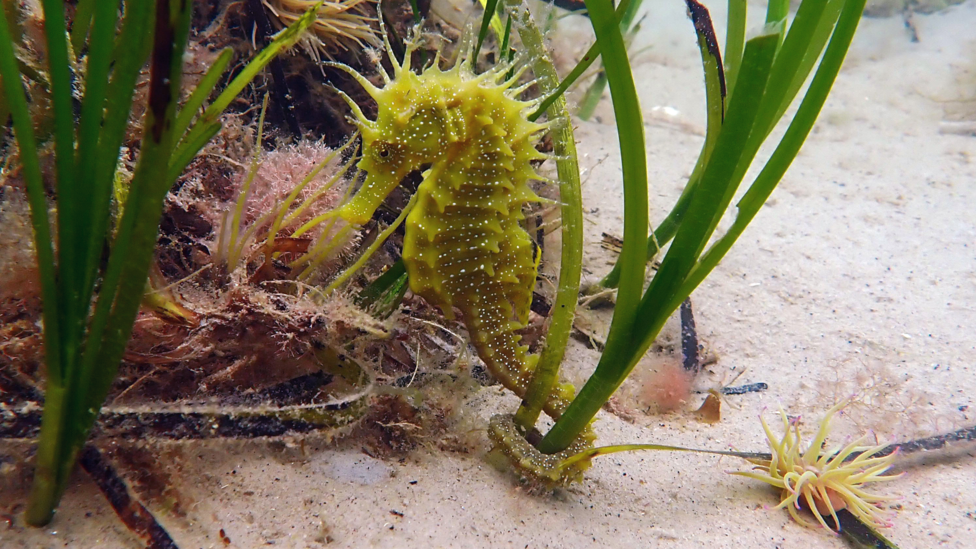
Seagrass habitats perform multiple critical ecological functions: they store carbon, support biodiversity, and help protect coastlines from erosion. Yet these meadows are declining globally due to pollution, development, disturbance and climate change. Studland Bay is home to one of the UK's largest seagrass meadows and has been designated a Marine Conservation Zone since 2019. The bay supports species such as the protected spiny seahorse and short-snouted seahorse, making its recovery particularly significant for conservation efforts.

What is the current status of the moorings?
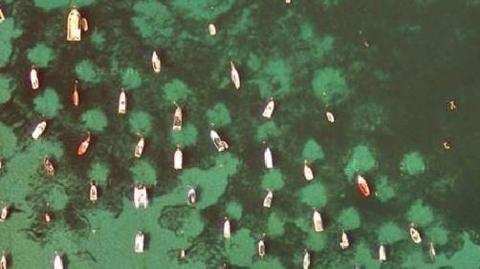
The initiative has expanded significantly since its 2021 launch. According to the Studland Bay Marine Partnership, all eco-moorings were reinstalled during March 2026 for the summer boating season, and the bay now has 87 eco-moorings available to boat users. The bay also became a voluntary no-anchor zone in 2021, reinforcing the shift away from traditional anchoring methods.
According to a national broadcaster's report published on 8 September 2026, the 87 moorings represent a substantial expansion, with more planned for future seasons. The partnership's monitoring shows that every eco-mooring scar is healing, with new seagrass growing back across the bay.
How do boaters use the eco-moorings?
The moorings operate on a fee-based system designed to fund maintenance and monitoring. According to the partnership's fee structure, charges are £7.50 for up to 4 hours, £15 for up to 24 hours, and £150 for a seasonal pass. Seasonal pass holders cannot moor for more than seven consecutive days. Boaters use the Sippi app to pay for eco-moorings, with no pre-booking required, making the system accessible and straightforward.
What do researchers say about the findings?
Kira Dunn, who graduated this year after completing her research, reflected on the project's significance.
It's incredibly encouraging to see how quickly this important habitat can regenerate when given the opportunity.Dr Ken Collins of the University of Southampton, who supervised the study, emphasised the broader conservation lesson.
Studland Bay is becoming a powerful example of how practical conservation measures can reverse habitat damage and deliver measurable environmental improvements.
The Studland Bay Marine Partnership comprises conservation charities, boating organisations, academics, statutory bodies, community groups and businesses. Partners include Dorset Wildlife Trust, Natural England, the National Trust, the Seahorse Trust and the University of Southampton, demonstrating the collaborative approach required for effective marine conservation.
What happens next?
The moorings follow a seasonal cycle of removal and reinstallation. The partnership removes the moorings each winter to protect them from winter weather, with the next operational change being the winter 2026 removal and the 2027 reinstallation cycle. Government monitoring of the Studland Bay Marine Conservation Zone continues, with assessments and monitoring activity updated on 25 September 2026, indicating ongoing evaluation of the conservation zone's status and the effectiveness of protective measures.
Key Facts
- Bare seagrass patches in areas with eco-moorings shrank by 93.6% between 2021 and 2025, compared to 65.4% in areas where traditional moorings remained until 2023
- Studland Bay now has 87 eco-moorings available to boaters, with more planned for future seasons
- The bay is home to one of the UK's largest seagrass meadows and supports protected seahorse species
- Seagrass habitats store carbon, support biodiversity and protect coastlines from erosion, yet are declining globally
- The Studland Bay Marine Partnership brings together conservation charities, boating organisations, academics, statutory bodies, community groups and businesses in a collaborative conservation effort