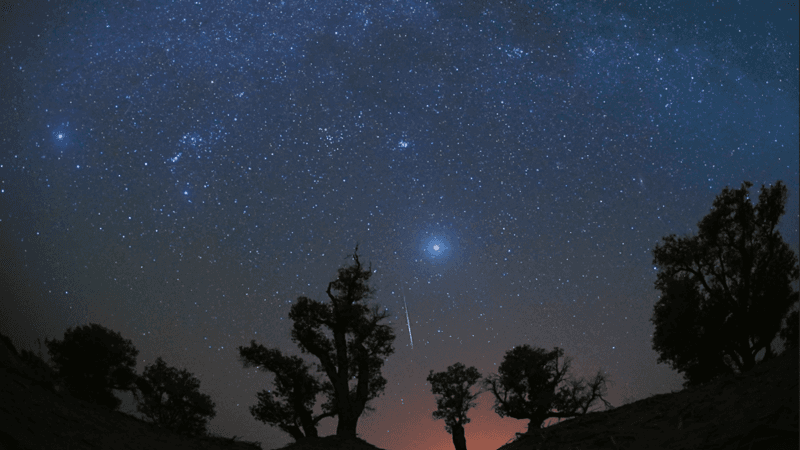
The Orionid meteor shower, renowned for producing brilliant fireball meteors, will reach its peak in UK skies during the early hours of 22 October. According to BBC News, the shower has been active throughout October and will remain visible until 7 November, though conditions will be optimal around the peak date.
Under ideal circumstances with clear skies, observers could witness between 10 and 20 meteors per hour. Royal Observatory Greenwich estimates a maximum rate of approximately 15 meteors per hour, with the shower's broad peak lasting roughly a week centred on 21 October.
What causes the Orionid meteor shower?
The Orionids originate from debris scattered by Halley's Comet as it travels through the solar system. Royal Observatory Greenwich notes that Halley's Comet completes an orbit around the Sun approximately once every 76 years. Each year, Earth passes through this trail of comet dust, and the particles burn up as they enter the atmosphere at tremendous speeds, creating luminous streaks across the night sky.
The Orionids are characterised by their velocity and brightness. These meteors penetrate Earth's atmosphere at speeds around 41 miles per second, often producing extended glowing trails and fireballs that can be particularly striking to observe.
How can I watch the Orionid meteor shower?
The meteors are visible to the naked eye, so no specialist equipment such as binoculars or telescopes is required. To maximise your chances of spotting them, locate a dark area with expansive views of the sky, positioned away from urban light pollution. Allow your eyes approximately 20 minutes to adjust to the darkness.
The meteors will appear to radiate from the constellation Orion, near the red supergiant star Betelgeuse, known as the radiant point. Between midnight and dawn, this constellation will climb higher in the southern sky, moving towards the south-west. However, viewing the meteors slightly away from the radiant itself will make them more visible. NASA advises Northern Hemisphere viewers to lie back with their feet facing south-east and scan across the sky rather than focusing solely on Orion, as meteors can appear 45 to 90 degrees away from the radiant.
The Moon will be in the waxing gibbous phase on the night of 21 October, casting additional light into the night sky and reducing visibility of fainter meteors. Fortunately, conditions will improve once the Moon sets around 03:00 BST on Thursday morning, providing a window of darker skies for observation.
What weather conditions are expected for the peak?
Meteor showers are best observed under completely clear skies, but weather conditions across the UK this week present challenges for observers. This week is forecast to be the wettest and windiest of autumn so far, with a strengthening jet stream driving low pressure systems across the country.
Wednesday is expected to bring wet and windy conditions across much of the UK. However, a brief ridge of high pressure could create opportunities for clear spells across much of England, Wales and Northern Ireland during the second half of the night into Thursday morning. Western Scotland may also experience some clear periods.
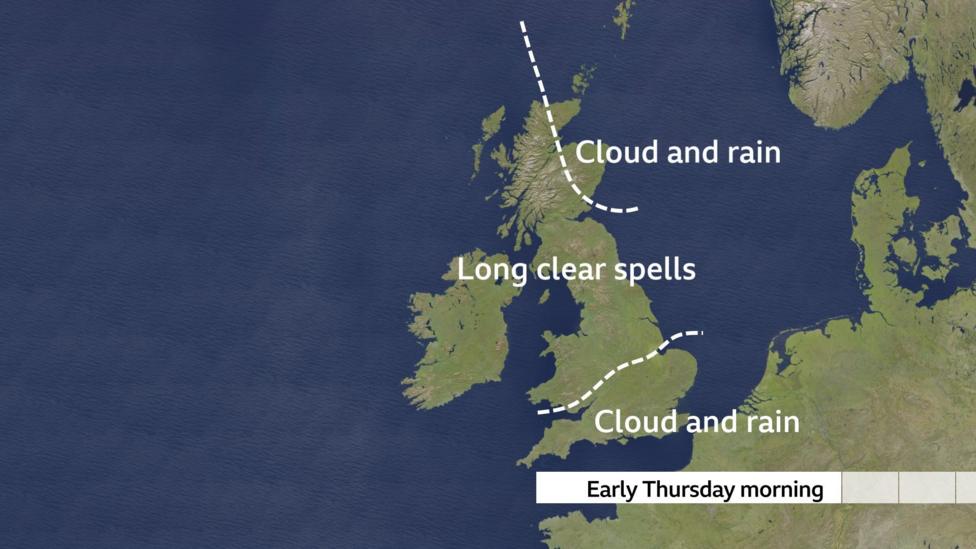
Eastern Scotland is likely to remain cloudy and wet due to a lingering weather front, and the far south coast of England could see rain outbreaks. NASA's October skywatching guidance recommends watching before dawn after moonset to reduce interference from moonlight, which aligns with the forecast window of improving conditions in the early Thursday morning hours.
What happens next?
The Orionid meteor shower will return in 2027, with the next occurrence scheduled for 2 October through 7 November, peaking on 21–22 October. This annual event provides regular opportunities for UK skywatchers to observe one of the year's most reliable meteor displays.