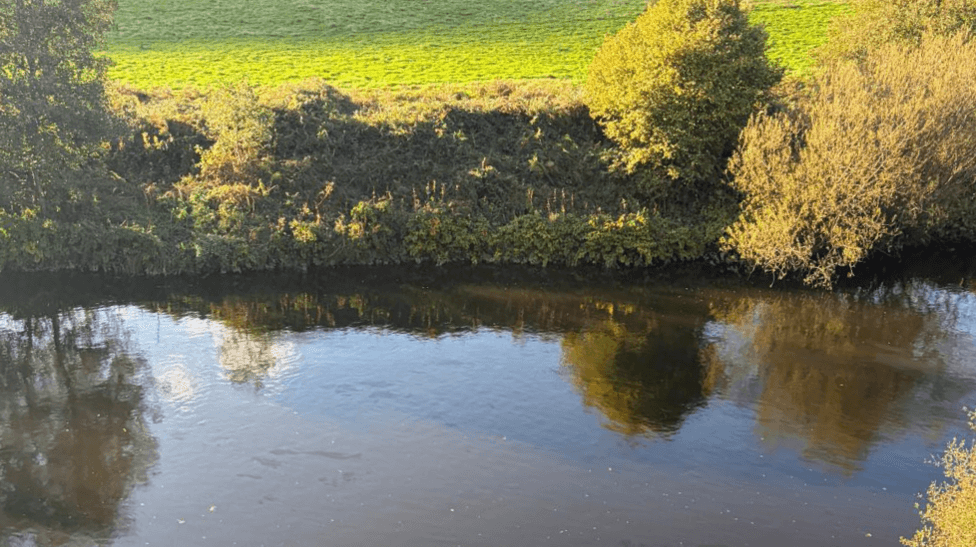
A significant kerosene leak has contaminated nearly 2.5 miles (4 kilometres) of the River Taff in Wales, prompting health warnings and environmental concerns. According to BBC News, the pollution was first detected on Friday affecting at least one mile of the waterway, before expanding considerably as investigations began into its source.
Natural Resources Wales (NRW) confirmed that kerosene—also referred to as paraffin or home-heating oil—had entered the river system. The organisation stated that up to 25,000 litres of fuel had contaminated the water, with the leak originating from an underground surface water drainage system. Wales Online reported that NRW and South Wales Fire and Rescue traced the pollution to a culvert feeding a tributary of the Taff, and fuel-collection equipment was deployed to reduce the ongoing discharge.
Residents across multiple areas reported the distinctive odour on Friday, 16 October. According to Wales Online, NRW received numerous complaints of a strong fuel smell from Glan Llyn, Taffs Well, Gwaelod-y-Garth and Tongwynlais. Public Health Wales advised residents to keep windows and doors closed, avoid contact with the water, and contact NHS 111 if they experienced symptoms of illness.
What did residents experience?
Eurig Thomas, who lives in Taffs Well, Rhondda Cynon Taff, described the immediate impact of the leak.
It smelt like a petrol station, it hit you as soon as you came out.He noted that the river displayed a visible shiny sheen and that the stream, which flows behind his house from the GE factory into the Taff, carried the contamination downstream. Although the smell had diminished by the following day, traces remained detectable.
Sarah Llewelyn, another resident, reported more severe effects on her wellbeing.
I haven't slept in three days. Friday afternoon lunchtime I opened the door and could smell fumes, it was burning my eyes.She confirmed that South Wales Fire and Rescue attended the GE site on Friday and halted the flow of fuel, describing the incident as a catastrophic event for the community.
Llewelyn stated that NRW had informed residents that the quantity of kerosene entering the river had reached approximately 25,000 litres, representing a major environmental incident for the area.
What is the long-term environmental impact?
Gareth Llewelyn, a former hazardous materials environmental protection officer with South Wales Fire and Rescue service, expressed serious concerns about recovery prospects.
There is no quick fix and it needed years not months to restore.He visited the culvert across from the GE site and found it saturated with kerosene, explaining that the fuel does not dissolve in water and will continue to cause pollution.
Llewelyn emphasised the cultural significance of the damage, noting that the village itself is named after the river.
They've torn the heart out of our community, the village is Taffs Well – it's named after the river. They've literally killed our river, if you go down there now there's no animals, no birds, they've killed all the fish.The ecological devastation has eliminated wildlife and fish populations in the affected stretch of water.
What containment measures have been taken?
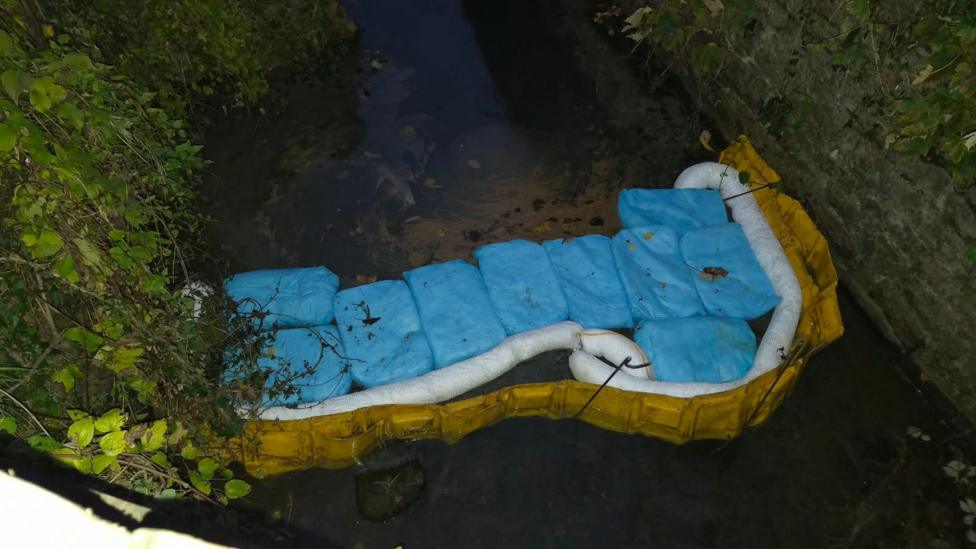
Absorbent materials have been deployed along the affected section to attempt containment of the leak. NRW reported that the volume of fuel discharging from the underground drainage system had reduced significantly by the time of reporting. Staff from NRW worked alongside the fire service to install equipment designed to collect fuel and prevent further downstream contamination.
Water samples were collected from multiple locations to assess the extent of environmental damage caused by the pollution. The testing process will help determine the full scope of the incident and guide remediation efforts.
What happens next?
NRW stated that its investigation was continuing, with the primary objectives of identifying and stopping the pollution at its source and limiting further environmental damage. The organisation is working to understand how the leak occurred and to gather evidence for potential enforcement action. The smell had diminished by the time of the initial reports, though the underlying contamination remains a serious concern for the community and the river ecosystem.