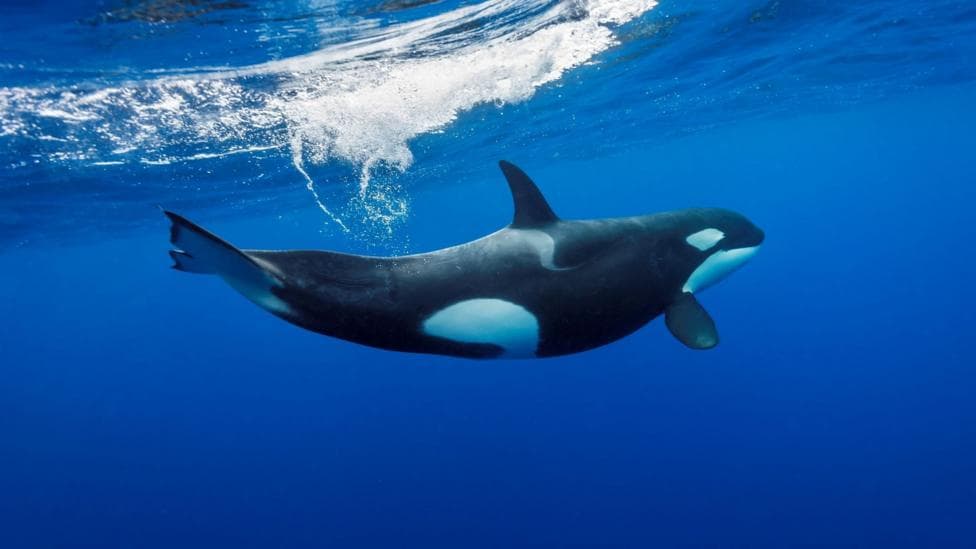
Scientists have determined that a killer whale discovered dead on a Scottish shoreline is among the oldest male orcas ever documented, based on detailed analysis of its teeth. The animal, found on South Uist in the Western Isles during 2015, is estimated to have been 65 years old or older when it died. Researchers from a Scottish institution examined the growth rings in one of its teeth to establish this remarkable age.
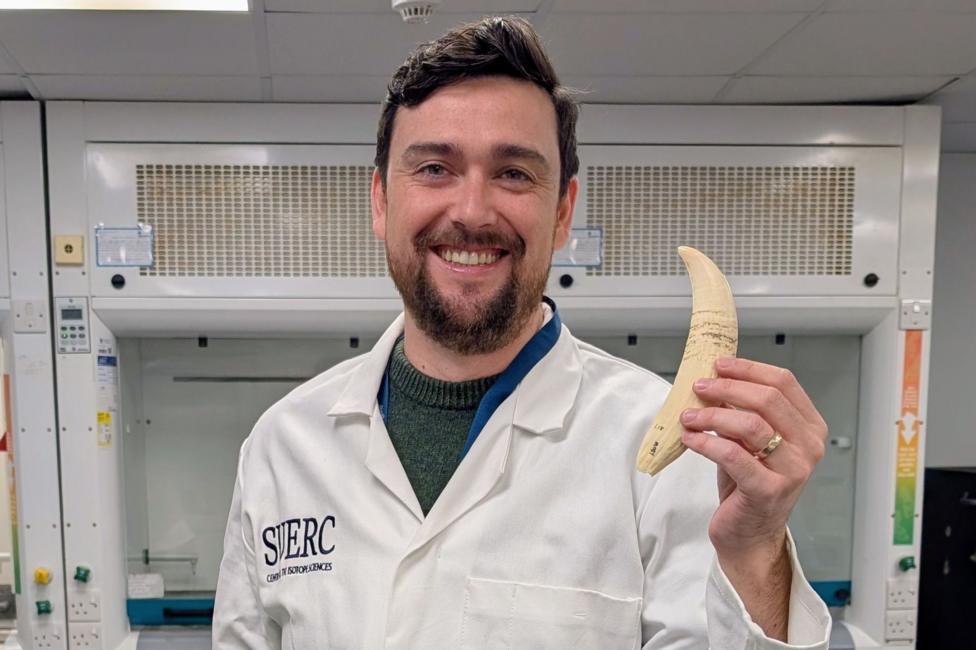
A team led by scientists at SUERC - Centre for the Isotope Sciences employed an innovative method to determine the orca's age. They studied the annual growth layers that accumulate in tooth tissue, similar to tree rings. Crucially, they identified a key marker: the absence of radioactive fallout from atmospheric nuclear weapons tests in the oldest layers of the tooth, which indicated the animal was born before such testing began.
How did nuclear weapons testing help determine the whale's age?
The absence of radioactive contamination in the oldest tooth layers provided a critical clue to the orca's birth date. Between the 1940s and 1963, the United States, Russia, the United Kingdom and other nations conducted atmospheric nuclear weapons tests at locations including the Russian Arctic and the South Pacific. These explosions released enormous quantities of radioactive particles into the atmosphere, and ocean currents carried some of this material into marine environments where it contaminated wildlife. The presence of this radioactive signature in younger layers of the orca's tooth, combined with its absence in older layers, allowed researchers to establish that the animal was born before the testing programme began.
What do we know about orca lifespans?
Male killer whales typically have an average life expectancy of around 30 years, though this figure is largely derived from studies of Pacific populations. The South Uist specimen's estimated age of 65 or older places it among the longest-lived males on record. Two other male orcas known as Aquarius and John Coe, frequently observed off Scotland's west coast, are believed to exceed 50 years of age. Female orcas demonstrate considerably greater longevity, with some individuals living into their 80s or beyond.
What other animals did the research examine?
The research team also analysed a tooth from Lulu, a member of the West Coast Community group of orcas. Lulu was found dead on the Isle of Tiree in the Inner Hebrides in 2016. Her tooth contained a different type of radioactive signature known as the Sellafield signal, produced by radiocarbon discharges from the Sellafield nuclear reprocessing facility in Cumbria into the Irish Sea. Ocean currents transported this radioactive material westward to the waters where Lulu hunted. According to research on the West Coast Community, Lulu died from entanglement, and her tissue contained PCB levels more than 100 times higher than the threshold known to harm marine mammal health.
The researchers also examined a tooth from a sperm whale known as Moby, whose skull is now displayed in the National Museum of Scotland in Edinburgh. Moby stranded on mudflats in the Firth of Forth in 1997 and subsequently died. Analysis of his tooth suggested he was at least 43 years old at the time of his death. Like the orca specimen, the absence of nuclear weapons fallout in Moby's oldest tooth layers helped scientists establish his age.
The study analysed teeth from five stranded cetaceans in total, comprising two sperm whales and three killer whales. According to the published research, the team employed accelerator mass spectrometry alongside stable carbon and nitrogen isotope analysis to examine the specimens. However, the research also revealed a limitation of the tooth-counting method: the South Uist orca displayed only 52 visible growth layers, fewer than would be expected for an animal potentially 65 years or older, suggesting that tooth-layer counts can become unreliable in older animals.
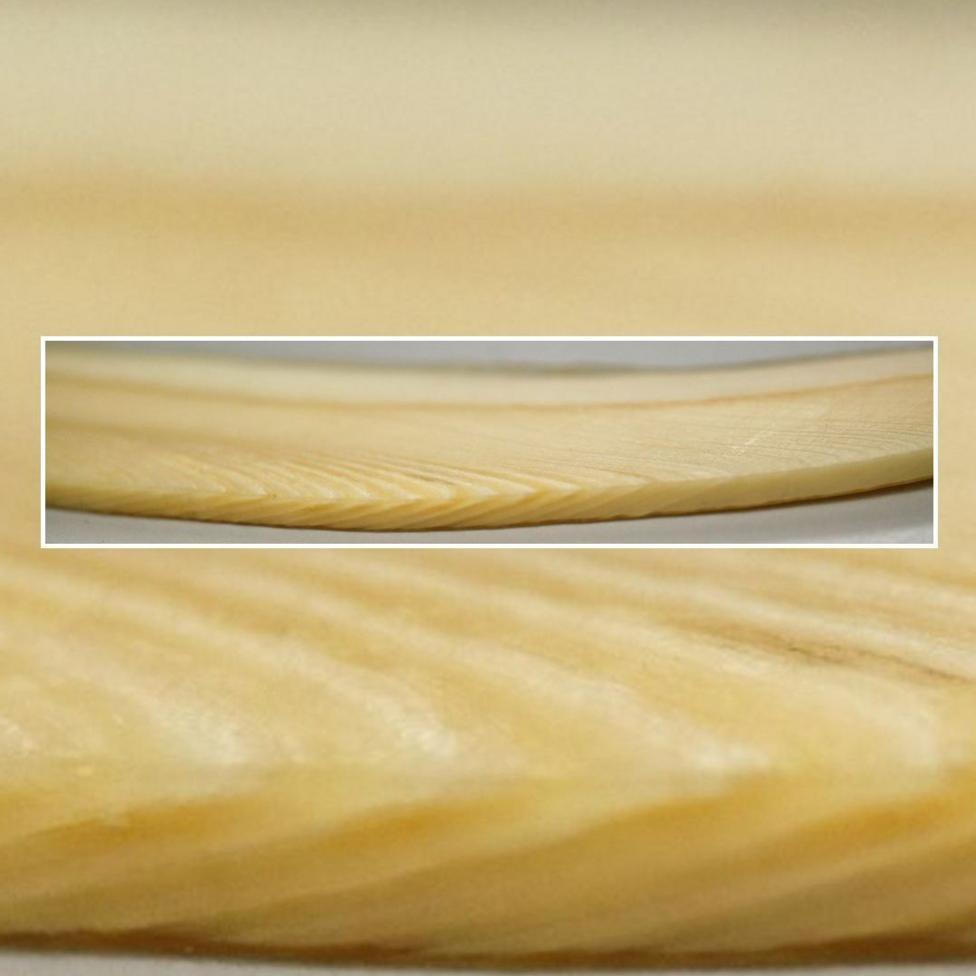
The research was conducted by scientists at SUERC - Centre for the Isotope Sciences in partnership with researchers from the universities of Glasgow, Edinburgh and St Andrews and National Museums Scotland. The study was published in Frontiers in Marine Science on 1 October 2026. The teeth examined in the research came from the collection maintained by the Scottish Marine Animal Stranding Scheme (SMASS).
What inspired this research?
For Dr Kieran Tierney of SUERC - Centre for the Isotope Sciences, the research held particular personal significance. He recalled a childhood memory that shaped his scientific career:
My parents took me to see Moby when he arrived in the Firth of Forth in 1997, when I was six years old. A few days later, we saw pictures of him dead on the shore, and I had so many questions: How could this huge, amazing animal die so suddenly? Where had he come from? What sort of life had he had? Those questions have always stayed with me, and they have been a fundamental part of what has driven my career at the overlap of marine science and isotope research.
Key Facts
- The South Uist orca, discovered in 2015, is estimated to have been 65 years old or older, making it one of the oldest recorded male killer whales
- Scientists used the absence of radioactive fallout from mid-20th-century nuclear weapons tests in tooth layers to determine the animal was born before 1945
- The research examined five stranded cetaceans using accelerator mass spectrometry and isotope analysis, revealing that tooth-layer counts become unreliable in very old animals
- Male orcas typically live around 30 years on average, while females can live into their 80s or longer
- The West Coast Community orcas, including Lulu, have been documented as severely inbred over several generations