Woodland walks and gardens across the UK are displaying an unusually high number of mushrooms this autumn, with experts predicting sightings could reach record levels. The Royal Horticultural Society (RHS) attributes the surge to a combination of prolonged summer heat and drought followed by wetter autumn conditions, which create ideal circumstances for many fungal species to flourish.
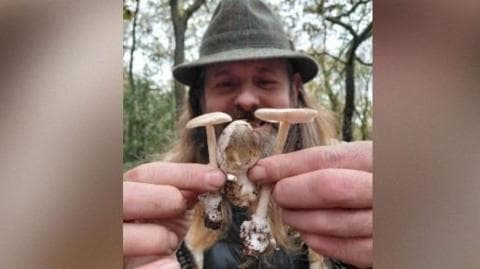
Lancashire forager Colin Unsworth, who leads foraging expeditions across the region through his business Forest Horizons in Adlington, has observed that certain species are appearing in exceptional quantities this year, though others remain scarce. He emphasised the critical importance of proper identification before consuming any wild mushrooms, as some toxic varieties can closely resemble edible species and pose serious health risks.
The RHS recorded a 43% increase in inquiries about garden fungi following the 2025 drought compared with the previous year. According to recent reporting, the organisation expects this autumn's inquiries to surpass last year's record, though the forecast ultimately depends on sufficient rainfall continuing through the season.
Which mushrooms are thriving this year?
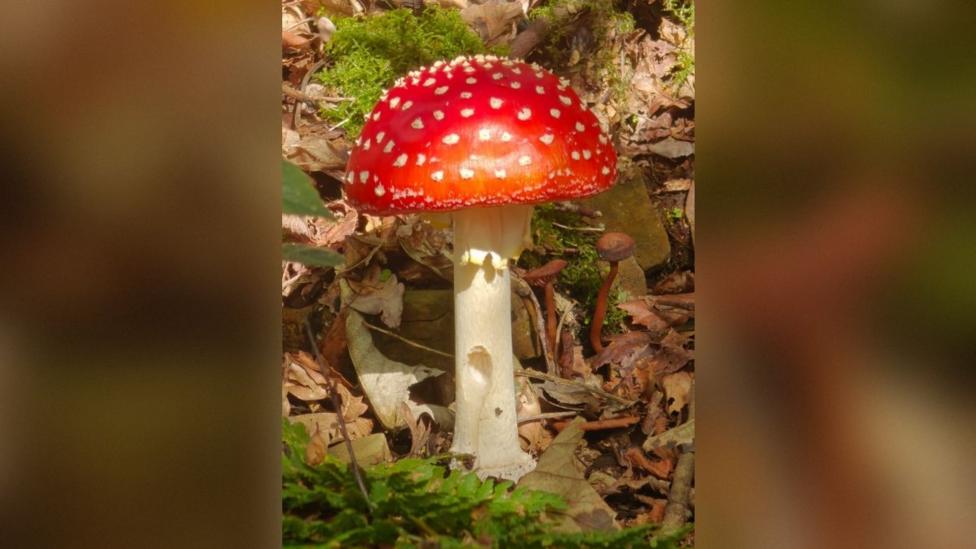
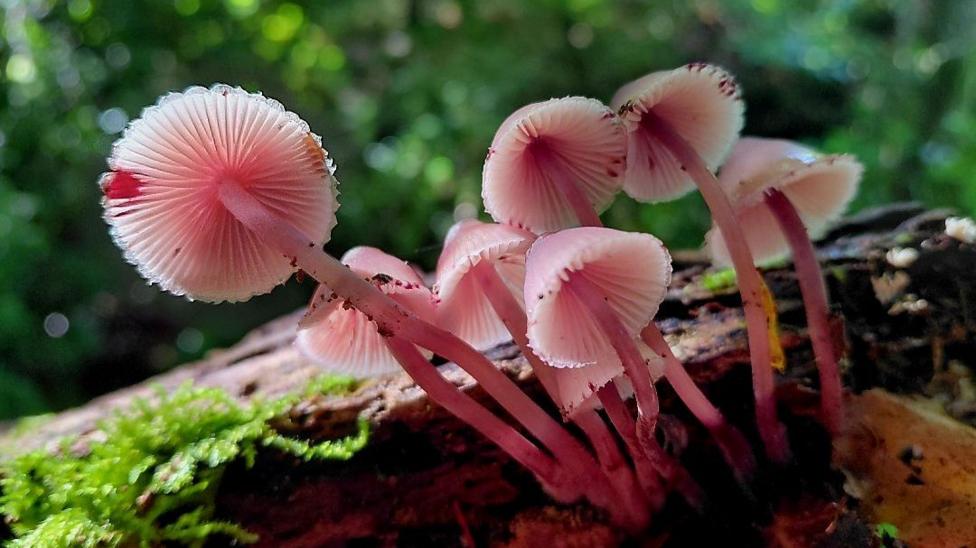
Fly agaric, the striking red mushroom with white spots, and blushers have been discovered in substantial numbers across Lancashire. Early sightings at RHS Wisley included large rooting boletes and giant funnel mushrooms, with giant puffballs and upright coral expected to appear widely as the season progresses.
Porcini mushrooms, also known as penny buns or ceps, have been harder to locate this year. Unsworth noted that these prized edible fungi, valued by professional chefs for their distinctive robust flavour, are experiencing an EU-wide shortage. This scarcity contrasts sharply with the abundance of other species currently appearing in the landscape.
What dangers should foragers watch for?
Several poisonous species can easily be confused with edible varieties, presenting genuine risks to inexperienced foragers. The brown roll-rim is among the toxic mushrooms that closely resemble edible types, and Unsworth stressed that such look-alike mushrooms can be genuinely dangerous. He advised that only those with absolute certainty about identification should consume wild mushrooms.
"You get look-alike mushrooms. They can be really dangerous."
Unsworth noted that a typical autumn forage at this time of year could yield between 20 and 30 edible mushroom varieties, highlighting both the abundance and diversity of fungi currently present in the landscape.
Why are fungi important for gardens and ecosystems?
Jassy Drakulic, senior plant pathologist at the RHS, explained that gardeners may observe a remarkable variety of mushrooms and toadstools appearing in lawns, borders and around trees this autumn. Rather than being a cause for concern, fungi are predominantly indicators of a healthy ecosystem. They play a vital role in breaking down organic matter and supporting overall plant health by recycling nutrients through the soil.
The UK is home to more than 15,000 fungal species, according to expert sources. Some fungi benefit from the extra dead plant material left behind by drought conditions, while others respond to stress in trees by producing increased numbers of fruiting bodies. This ecological response explains why certain years see particularly abundant mushroom growth.
How do weather patterns influence fungal growth?
The combination of extreme heat and drought followed by increased moisture creates optimal conditions for fungal reproduction. Extended hot weather stresses plants and leaves behind substantial quantities of dead organic matter, both of which trigger fungal responses. When autumn rains arrive, the moisture activates dormant fungal networks in the soil, leading to the visible fruiting bodies that appear above ground.
For Unsworth, understanding the relationship between mushrooms and their environment helps explain why particular species appear in specific habitats. He described autumn as the highlight of the foraging calendar, when fungi take centre stage in the landscape.
"In the autumn time, mushrooms take centre stage and they're so beautiful and they're so varied."
How can people safely engage with fungi?
Rather than picking mushrooms, experts have encouraged people to photograph and record their finds instead. The UK Fungus Day's Find-a-Fungus project, running from 2 to 16 October 2026, invites members of the public to document fungi they discover by uploading records to iNaturalist. This approach allows people to participate in citizen science while avoiding the risks associated with consuming misidentified species.
Unsworth's advice to anyone interested in foraging is unambiguous: only consume wild mushrooms if you are completely certain of their identification. The consequences of error can be severe, making caution the only responsible approach for those without expert knowledge.
What happens next?
The RHS's prediction of record-breaking mushroom sightings this autumn will ultimately depend on rainfall patterns over the coming weeks. If sufficient moisture continues to fall through the season, the conditions that have already produced abundant fungal growth will persist, potentially delivering the exceptional numbers the organisation has forecast.
Key Facts:
- The RHS recorded a 43% rise in garden fungi inquiries following the 2025 drought, with further increases expected this autumn
- Fly agaric and blushers are appearing in bumper numbers, while porcini mushrooms remain scarce due to an EU-wide shortage
- Poisonous species including brown roll-rim can closely resemble edible varieties, making proper identification essential before consumption
- Fungi are beneficial to ecosystems, breaking down organic matter and supporting plant health through nutrient cycling
- The UK Fungus Day Find-a-Fungus project (2–16 October 2026) encourages people to record fungi on iNaturalist rather than pick them