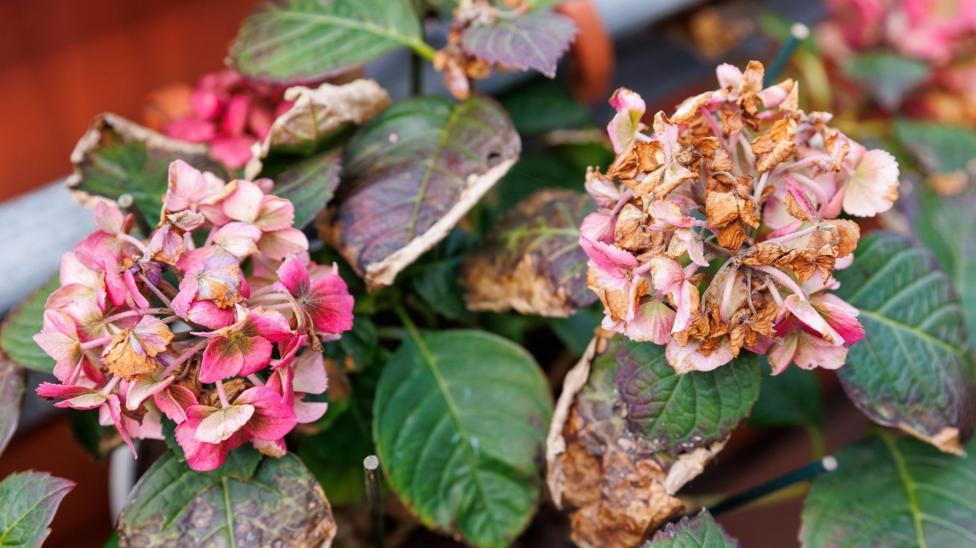
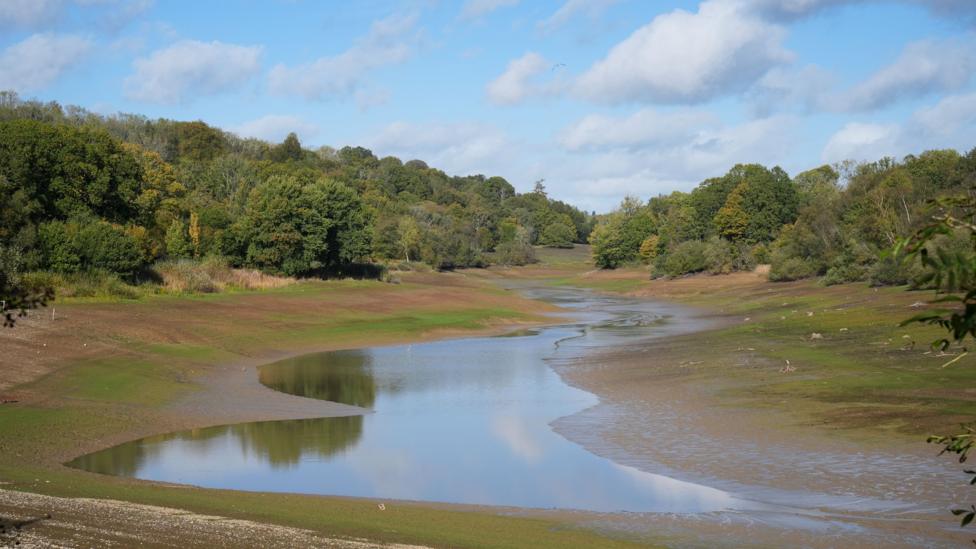
Gardeners across one of Britain's most drought-affected regions are fundamentally rethinking what they grow, introducing plant species from warmer climates to cope with increasingly severe weather patterns. According to BBC News, West Sussex experienced an unprecedented summer marked by record-breaking heatwaves and severe drought that have stressed traditional plant species to the point of failure.
The extreme conditions have forced horticultural professionals to confront a new reality: many plants that thrived in British gardens for generations are no longer viable. The Met Office confirmed that summer 2026 was provisionally the UK's warmest on record, with a mean temperature of 16.5°C, while England's rainfall was 64% of its 1991–2020 average.
What changes are gardeners making?
Rather than abandoning their craft, horticulturists are diversifying their plant palettes with species from regions with climates more similar to what Britain may experience in future decades. Iain Parkinson, head of landscape and horticulture at Kew Wakehurst near Ardingly, has witnessed this transformation firsthand. Over his 40 years at the site, he has observed a marked shift in climate conditions and has seen trees succumb to the stress.
Elliot Chandler, senior gardener at High Beeches near Haywards Heath, reported that rhododendrons died at his location this year—a development he expects will persist.
We'll do what we can for the plants...but if they're not surviving, then we need to plant different things. That's the only way we can really maintain the garden and keep it full of interest and flowers.
Joe Whelan, head gardener at Nymans in Handcross, cautioned that another drought year could prove
quite detrimentalto larger, more established trees. The severity of this summer's conditions is underscored by specific data: Wisley recorded 62 consecutive dry days in summer 2026, while Kew Gardens recorded no rain during July.
Which plant species are being introduced?
Gardeners are exploring species from North America, southeastern Europe, central Asia, South Korea and Japan—regions whose current climates may offer clues to Britain's future conditions. This approach reflects a pragmatic acceptance that climate adaptation in horticulture requires experimentation and a willingness to abandon assumptions about what will flourish.
Chandler emphasised that this transition will not happen abruptly. Rather than removing established plantings wholesale and replacing them with new species, the shift will occur gradually, introducing
a really diverse mix of thingsover time. This measured approach allows gardens to maintain their character while building resilience.
How certain are the outcomes?
Whelan acknowledged the inherent unpredictability of climate adaptation in gardening. The future performance of any given species remains difficult to forecast with confidence. Success will depend on
experimenting and accepting that some things probably aren't going to make it. This trial-and-error methodology reflects the broader challenge facing horticulturists: they are navigating uncharted territory.
The shift in Sussex gardens mirrors a wider recognition that Britain's climate is changing at an accelerating pace. A Met Office analysis found that a summer like 2026 has become around 130 times more likely in today's climate than in a climate without human-induced climate change. This statistical reality underscores why gardeners cannot rely on historical precedent when selecting plants for future seasons.
Key Facts
- West Sussex experienced record heatwaves and severe drought in summer 2026, with England receiving only 64% of its average rainfall
- Traditional plant species including rhododendrons have died at multiple heritage gardens across the region
- Gardeners are introducing species from warmer climates including North America, southeastern Europe, central Asia, South Korea and Japan
- The transition will occur gradually over years rather than through wholesale replanting
- Summer 2026 conditions are now 130 times more likely due to human-induced climate change