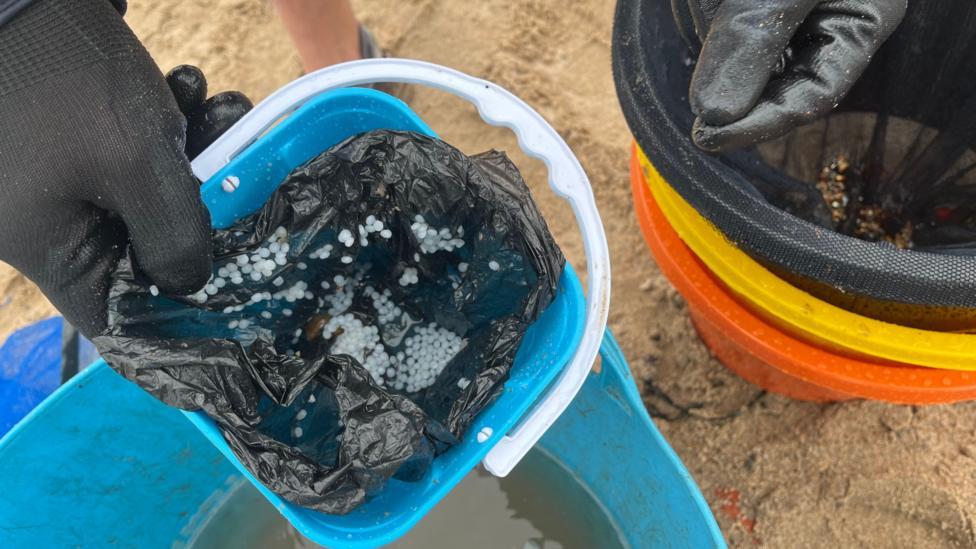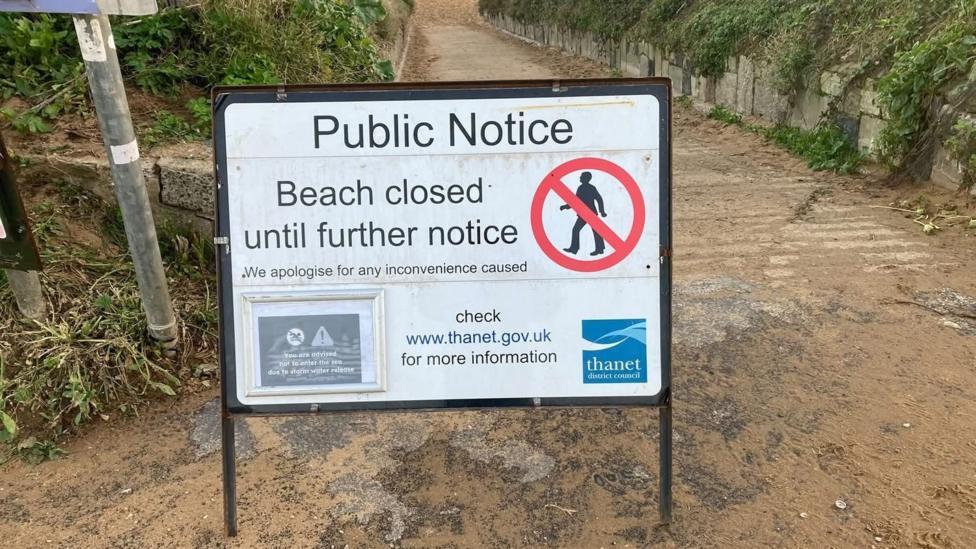
Eighteen beaches across Kent have been closed following the discovery of "significant deposits of oil" along the coastline, according to BBC News. Thanet District Council (TDC) reported the incident on Wednesday evening, with popular tourist destinations including Margate and Ramsgate among the affected areas. The source of the oil contamination remains unidentified as authorities work to establish its origin.
TDC emphasised that the decision to restrict beach access "had not been taken lightly". A spokesperson for the council urged residents and visitors, particularly dog walkers, to stay away from the contaminated areas and to notify the authority immediately if they encounter any oil deposits on beaches. Officers are currently conducting inspections of the affected coastline to assess the extent of the contamination.
This incident follows a pattern of recent coastal contamination events in the UK. In August 2026, dog owners were warned to keep their pets away from suspected palm oil that washed up on Egremont beach in Wirral, as the toxic substance can prove fatal if ingested by animals attracted to its smell. Earlier in October 2026, creosote contamination discovered at Blyth South Beach in Northumberland led to bathing restrictions, with the substance traced to a former timber treatment works seeping into sand through contaminated groundwater.
What happens next?
The Environment Agency has been contacted for comment and involvement in the investigation. TDC officers will continue their inspection work to determine the extent of the oil deposits and identify their source. Members of the public are encouraged to report any further observations of oil on beaches to the local authority to assist with the ongoing assessment.