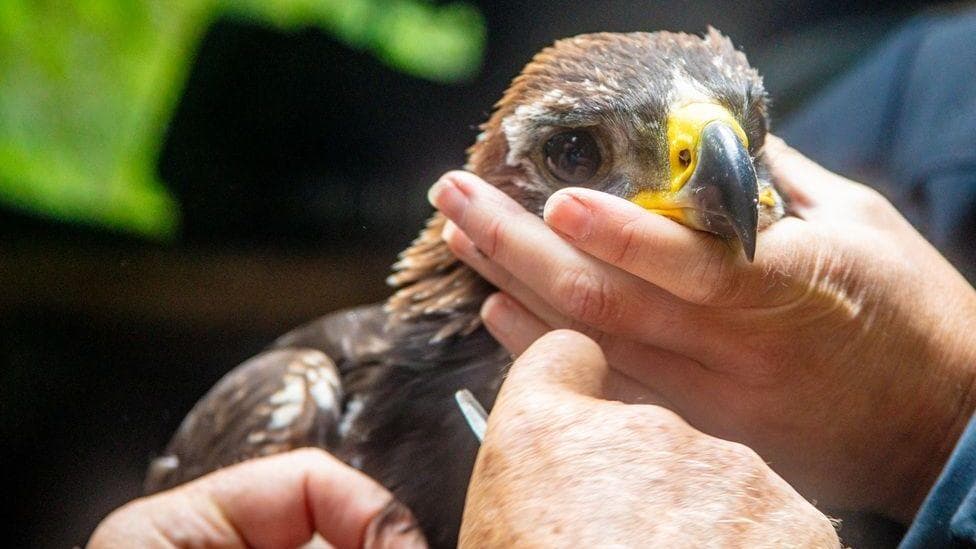
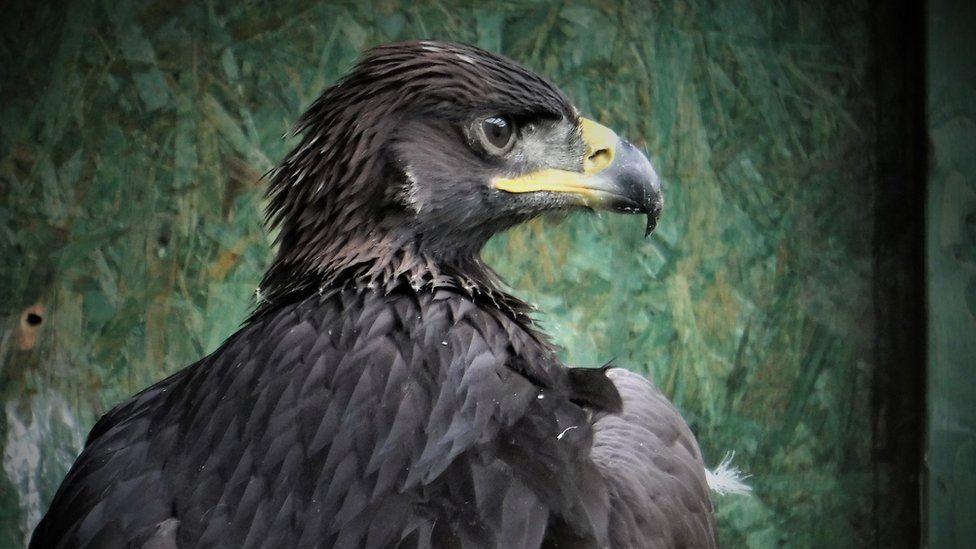
A golden eagle chick has become the first to successfully fledge from a nest on a managed grouse moor in the south of Scotland, representing a watershed moment for a species that had nearly vanished from the region. The bird, named Beaky Junior, hatched in a secret location within the Moffat Hills at a site used for recreational gamebird shooting. According to BBC News, this achievement is being hailed as a "hugely significant milestone" by those overseeing efforts to restore golden eagle populations to southern Scotland.
The fledging comes at a critical juncture for the species. A Royal Society for the Protection of Birds (RSPB) report revealed that two-thirds of UK persecution incidents involving birds of prey had occurred at sites managed for gamebird shooting—the very type of landscape where Beaky Junior has now thrived. The chick represents one of five golden eagles successfully fledged in the area during the current year, yet its birth on a managed grouse moor carries particular symbolic weight given the historical tensions between gamekeeper interests and raptor conservation.
How did this project begin?
The initiative to restore golden eagles to southern Scotland started in the summer of 2018, when the first juvenile eagles arrived at custom-built aviaries in the Southern Uplands. The project translocated 28 juvenile eagles from the Highlands and islands over several years, making it the first to successfully relocate 15 free-flying young eagles into a new region. Golden eagle numbers in the south of Scotland had collapsed to merely a handful of breeding pairs, but the population has now reached record levels of more than 50 birds—a recovery unimaginable just a decade ago.
Dr Cat Barlow, chief executive of Restoring Upland Nature (Run), the organisation behind the scheme, emphasised the collaborative nature of this success.
It is wonderful to see a golden eagle hatch, fledge and fly freely from the newly-established nest of a translocated golden eagle that has made its home on a managed grouse moor in the Southern Uplands. This reflects the incredible support we have had from landowners and gamekeepers – from translocations in the Highlands, to continued monitoring and protection of birds and eyries on their lands and estates. Indeed their support has been absolutely vital to our success in restoring the population of golden eagles to record numbers.
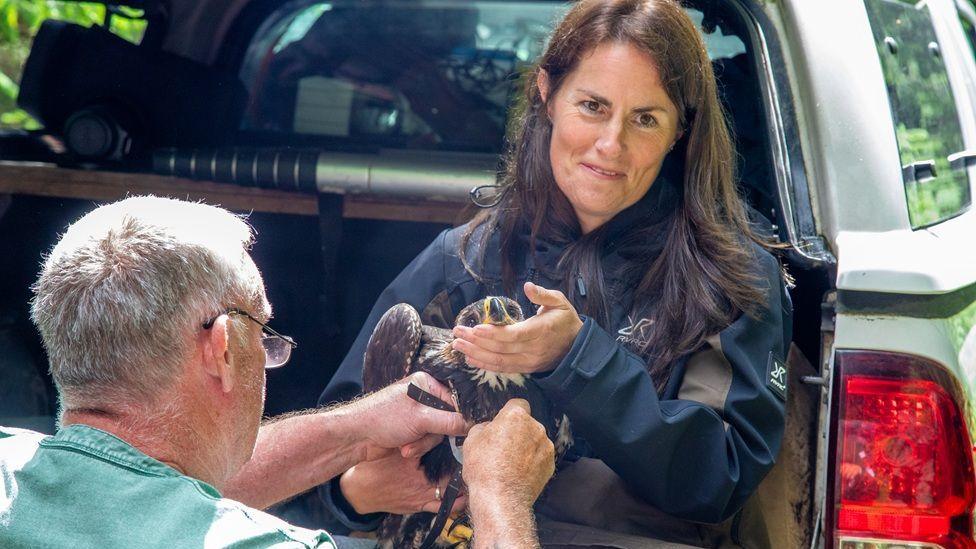
Barlow described the fledging of five chicks from nests of translocated birds as a turning point in the battle to reverse biodiversity decline.
It gives genuine hope in the battle to reverse biodiversity decline and ensure future generations across Scotland, England and Wales could experience the incredible sense of awe when seeing a golden eagle.
Why is gamekeeper support so crucial?
Beaky Junior was named by local gamekeepers in recognition of the critical role they have played in protecting golden eagles and their nests. The chick's mother, also called Beaky, represents the success of the translocation programme. The involvement of gamekeepers—traditionally viewed as adversaries of raptor conservation—marks a fundamental shift in how land management and wildlife protection can coexist.
Mark Ewart, regional co-ordinator at the Southern Uplands Moorlands Group, speaking on behalf of the anonymous gamekeepers involved, underscored this partnership:
It is incredibly rewarding to see gamekeepers celebrated for the important role they have played in the success of Run's South of Scotland Golden Eagle Project. Monitoring and providing the right habitats for golden eagles and other species to flourish is an important part of what gamekeepers do on a day-to-day basis. To encounter golden eagles daily is the ultimate indicator of the success of the project-gamekeeper partnership.
Sarah-Jane Laing, chief executive of Scottish Land and Estates, a body representing landowners, praised the symbolic importance of gamekeepers naming the chick.
Beaky Junior's arrival serves as a powerful example of what can be achieved when land managers and conservationists unite behind a shared vision, grounded in trust and genuine partnership. Seeing this magnificent species return to and flourish in these landscapes is something we can all take pride in.
What challenges has the project faced?
The recovery has not been without setbacks. An RSPB investigation covering a 10-year period identified 182 confirmed persecution incidents involving birds of prey in Scotland, with 64.3 per cent occurring on land managed for gamebird shooting. In June 2026, a translocated four-year-old female eagle named Squeagle survived being shot, with rescuers finding 17 shotgun pellets embedded in her body and wings. Despite such dangers, the project has persisted in its mission to establish a sustainable population.
The significance of Beaky Junior's fledging lies partly in the fact that it occurred on precisely the type of estate where golden eagles have historically faced the greatest threats. The project has translocated 28 juvenile eagles from the Highlands and islands and was the first to successfully translocate 15 free-flying young eagles, establishing a foothold for the species in a region where it had been absent for generations.
What happens next for golden eagles?
The success in southern Scotland is now informing broader conservation ambitions. The UK government has approved £1 million for a three-year programme exploring golden eagle reintroduction in England, with public consultation with landowners and farmers planned and releases potentially beginning as early as 2027. Additionally, the project's eagles regularly wander into northern England, where their presence could help the species recolonise.
Michael Clarke, who chairs Run, emphasised the broad coalition supporting the effort. He noted that individuals from "all walks of life" had helped the birds to thrive and pledged that the organisation would continue to monitor the impact of golden eagles on the area "with support of land managers, gamekeepers, farmers and the wider community". The naming of Beaky Junior by gamekeepers—who requested anonymity to protect the nest location—symbolises a fundamental realignment in how conservation and land management can work in tandem rather than in opposition.
The recovery of golden eagles in southern Scotland demonstrates that species restoration is possible even in landscapes shaped by human activity, provided that stakeholders commit to collaboration and shared goals. Beaky Junior's successful fledging represents not merely the arrival of a single bird, but evidence that the deepest divisions in conservation can be bridged when all parties recognise their mutual interest in a thriving natural world.