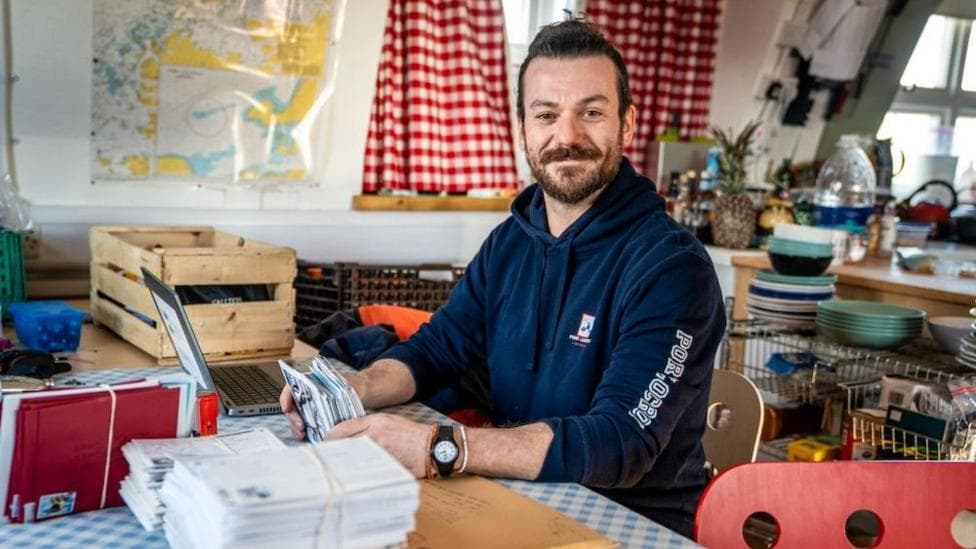
George Clarke is preparing for his third season as postmaster at Port Lockroy, Antarctica's only post office, departing for the continent on Monday to spend five months sorting mail and conserving one of the UK's most isolated heritage sites.
According to BBC News, Clarke, a part-time festival worker and artist from Bristol, will leave behind his partner and friends to join a team managing the historic base during the southern hemisphere summer, from late October to March. The role combines postal duties with conservation work, wildlife monitoring, and base maintenance on Goudier Island.
A UK team is heading to Antarctica for a five-month mission to protect Port Lockroy, a historic base threatened by climate change, with structural repairs forming a major focus of this season's work.
What does a postmaster do in Antarctica?
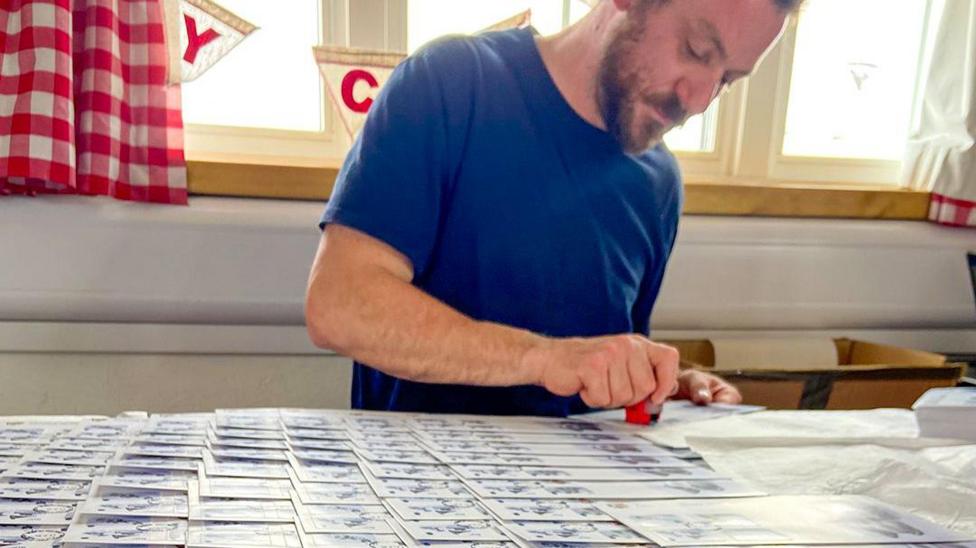
Clarke's primary responsibility involves processing postcards and letters, then arranging their passage north on passing vessels.
"When we collect up all the postcards and we've sorted through them, we've bagged them up, we've weighed them, we then need to look to see which ships are heading north towards the Falklands,"he explained.
"Then we get them on email or the radio and we say, 'Hello, would you mind taking some postcards with you?' And they're always very keen to oblige."
During the 2024/25 season, the team processed 72,459 postcards and welcomed 7,892 visitors to the museum across 140 vessels, demonstrating the site's significance as a tourist and heritage destination.
What other work happens at Port Lockroy?
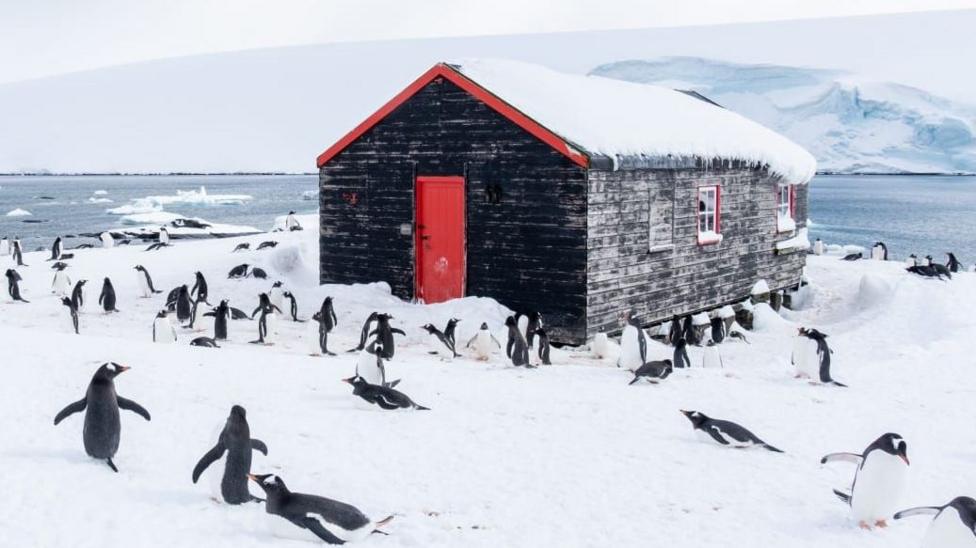
Postal operations occupy only part of Clarke's time on the island. He serves as deputy base commander, participates in cleaning and maintenance of the heritage site, and contributes to wildlife observations for the British Antarctic Survey.
"The primary objective of the charity is conservation of the heritage surrounding UK exploration in Antarctica,"Clarke noted, referring to the UK Antarctic Heritage Trust (UKAHT), the organisation managing the facility.
This season marks the second year of a three-year structural restoration programme. The team will install up to six new roof beams and approximately 30 steel and timber props in the floor of Bransfield House, the site's largest building, which houses the museum, post office, and shop. These reinforcements will help the structure withstand the Antarctic climate's extreme weather.
Living conditions are austere: the team will live without running water or flushing toilets, adding to the challenge of a five-month deployment in one of Earth's most remote locations.
Why is Port Lockroy historically significant?
Port Lockroy was established in 1944 as part of Operation Tabarin, a wartime British military initiative to assert sovereignty in Antarctica. The site on Goudier Island was selected in the 1940s because early 20th-century whaling ships had identified it as a safe anchorage. Remnants of that industrial past remain visible, with whale bones still littering sections of the shore. The base operated as a British research facility until 1962, when scientific operations relocated to larger, more modern installations elsewhere in Antarctica.
What attracts people to work in such isolation?
Clarke described his experience with candour:
"The penguins are noisy and smelly. The people are fantastic. I've fallen in love with the Antarctic wilderness."He initially chose the role because
"it sounded like an amazing experience - living away from home for a few months on a very small island with five other people and 1,000 penguins."
His teammates share his enthusiasm. Base commander and RAF veteran Carole McCullough stated:
"I applied for the role looking for a bit of an adventure, and Antarctica is the ultimate adventure. The team work, the bonding, the appreciation of the place - it's all going to make for the most wonderful experience."Wildlife monitor and museum manager Alice Parr added:
"I actually applied for a role three years ago and was selected as reserve. I tried again - clearly persistence pays off! I'm incredibly excited to be managing the museum and counting penguins. It's the opportunity of a lifetime."
How do teams reach Antarctica?
The journey from UKAHT's base in Cambridgeshire to Port Lockroy spans approximately one week. Clarke outlined the route:
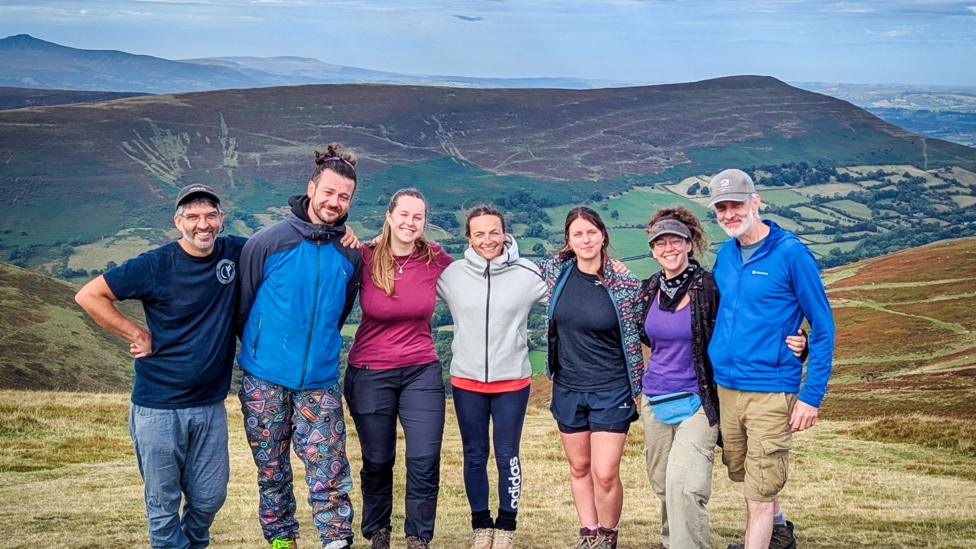
"We fly to Ushuaia via Buenos Aires in Argentina and we'll probably have a couple of days to acclimatise slightly. We'll then jump on a ship that will take us south to the Antarctic Peninsula and it takes four or five days."The team underwent training in the Brecon Beacons before departure to prepare for the extreme environment.
What comes next for Port Lockroy?
The 2026/27 season represents the second phase of UKAHT's three-year conservation initiative. Beyond structural repairs to Bransfield House, the organisation has expanded its scope: a separate six-person field team will conduct the first comprehensive survey of Wordie House, another historic Antarctic site. The expanded effort reflects growing recognition of climate change threats to these heritage locations and the urgency of documenting and preserving them before further deterioration occurs.