

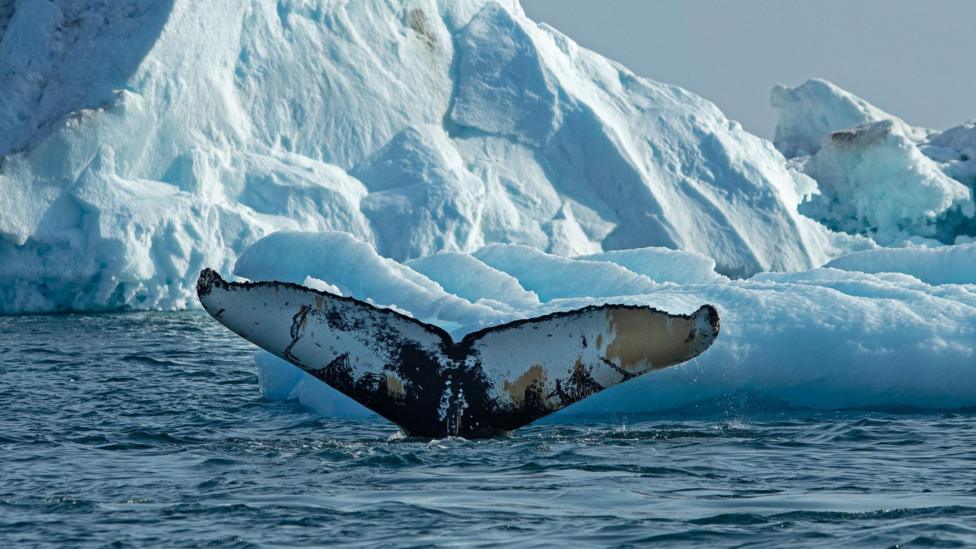
Fin, humpback and minke whales are increasingly gathering in coastal waters off East Greenland as vanishing sea ice opens up feeding grounds once sealed off from the world's largest marine mammals, according to a multi-decade study published in the journal Frontiers in Marine Science. Researchers combined boat-based sightings, aerial surveys, satellite tracking data and testimony from Inuit hunters to document hundreds of whales now feeding each summer in areas that were historically off-limits due to ice cover. The team describes the pattern as a major ecological regime shift unfolding along the coast.
How dramatic has the change been?
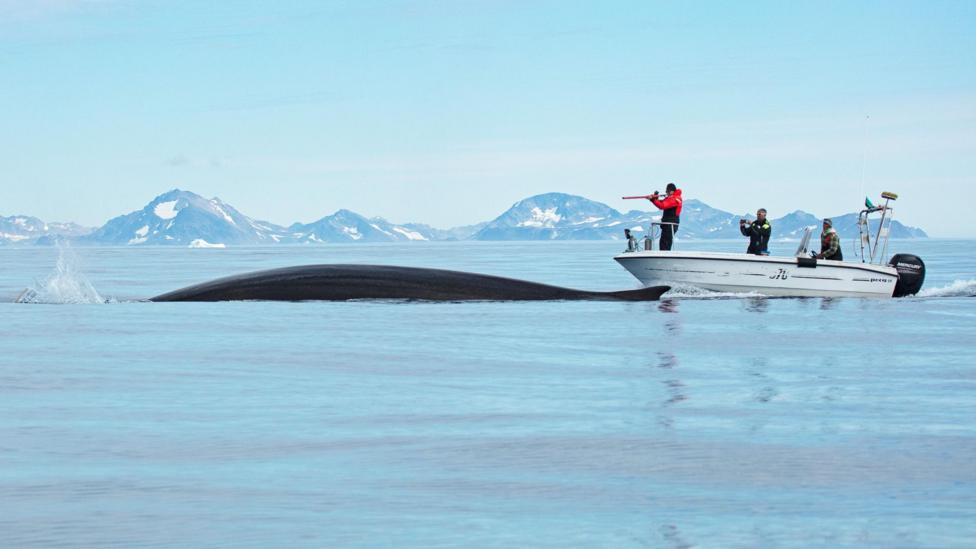
The scale of the shift becomes clear when measured against the historical record: ship-based surveys did not log a single humpback whale in the region until 2006, when the first appeared, followed by seven sightings in 2007 and 150 by 2024. The first systematic aerial surveys of baleen whales — fin, minke and humpback species — were carried out along the East Greenland coast in the summers of 2015 and 2024, and researchers added tracking data from 15 satellite-tagged whales to build a fuller picture. Lead researcher Prof Mads Peter Heide-Jørgensen, of the Greenland Institute of Natural Resources, put the total 2024 summer population at roughly 4,000 humpback whales, 6,000 fin whales and 6,000 minke whales visiting the Greenland Sea. A separate account of the same study, however, put the minke whale figure closer to 4,500 animals rather than 6,000, according to a seafood industry news report.
What is driving the shift?
Warmer sea temperatures appear to be pulling fish stocks into East Greenland's coastal waters, and the whales are following the food. The study's authors estimated the three species together would consume at least 800,000 tonnes of fish and krill over a single summer feeding season, though a later account of the research put total prey consumption closer to 1,000,000 tonnes across roughly four months of the year, according to the same report. That same coverage also states that baleen whales are now regular summer visitors as far north as 70°N, suggesting the feeding grounds have expanded well beyond the areas first documented, according to a diving and marine wildlife outlet. Prof Heide-Jørgensen described the pace of change bluntly, telling a national broadcaster's report:

probably the most radical we can see anywhere in the subarctic
Which species are gaining, and which are losing out?
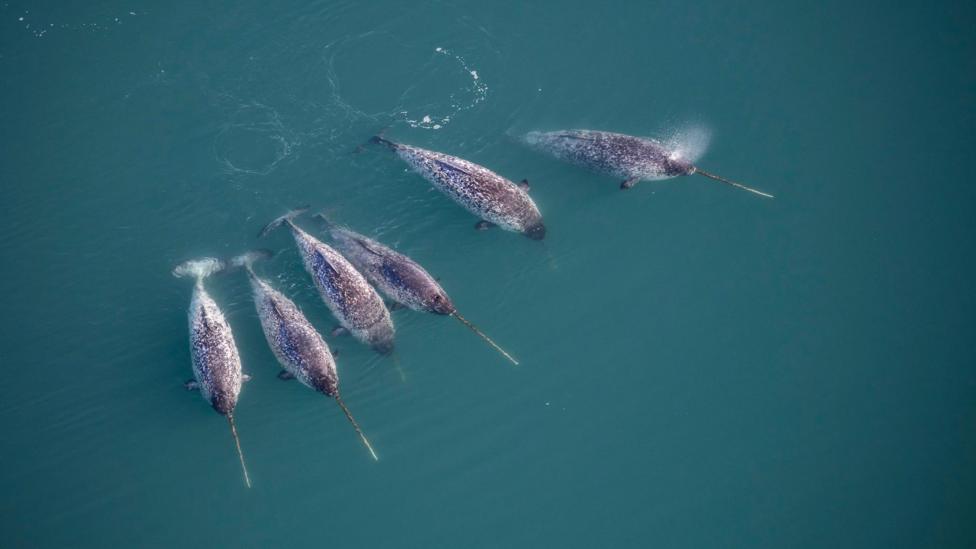
Not every Arctic marine mammal is benefiting from the changing conditions. Narwhals and belugas are now sharing habitat with — and in some cases being displaced by — the newly arrived baleen whales, and Prof Heide-Jørgensen said these species are "in trouble now". He summed up the uneven impact of warming seas:
For some species, climate change is not necessarily a problem - it opens up new opportunities, but other species are losing their habitat
It remains unclear from the study whether the growing whale numbers reflect a genuine population increase or simply a redistribution of animals from elsewhere. Some experts consulted separately raised concern that the findings imply whales are moving in from West Greenland, a sensitive question in a country where whale hunting continues. The scientists behind the study maintain that the baleen whales appear to be adapting opportunistically to, and potentially benefiting from, the changing environment.
How does this fit the region's wider whale story?
The East Greenland narwhal population has fallen sharply over recent decades, dropping from more than 1,700 animals in 1960 to only a few hundred today, according to a conservation organisation's assessment. Reflecting that pressure, the North Atlantic Marine Mammal Commission endorsed zero-catch limits for East Greenland's narwhal and beluga stocks at its annual meeting in March 2026, judging the populations too small to sustain hunting. Greenland's East Greenland hunt for larger whales has instead centred on common minke whales, with an annual quota of 20 animals in place since 2019 under International Whaling Commission guidance. The broader pattern of climate-linked change in whale populations has surfaced elsewhere too: earlier reporting on southern right whales found that warming oceans and melting sea ice have been linked to longer intervals between calving, while a separate case in April 2026 saw a stranded humpback whale rescued off Germany's coast and returned to the North Sea after more than five weeks stuck in shallow water.
What happens next?
Fisheries and marine mammal authorities have already begun adjusting hunting guidance in response to shifting whale numbers. NAMMCO and Iceland's Marine and Freshwater Research Institute advised a 2026 fin whale catch limit of 150 animals overall, including 116 for the combined East Greenland and West Iceland management area, according to the institute's official advisory. That advice is expected to be revised later in 2026 once updated whale abundance estimates are reviewed and approved by NAMMCO's scientific committees. The existing East Greenland minke whale quota of 20 animals remains unchanged for now under current IWC guidance, meaning any adjustment would depend on future quota decisions.
Key Facts
- No humpback whales were recorded in East Greenland's coastal waters in ship surveys until 2006; by 2024 there were 150 sightings.
- The 2024 summer population was estimated at roughly 4,000 humpback, 6,000 fin and 4,000-6,000 minke whales, depending on the source.
- The whales are estimated to consume between 800,000 and 1,000,000 tonnes of fish and krill during the summer feeding season.
- Narwhal numbers in the region have fallen from over 1,700 in 1960 to a few hundred today, prompting a zero-catch recommendation in March 2026.
- NAMMCO's 2026 fin whale catch advice, including a 116-animal limit for East Greenland/West Iceland, is due to be updated later this year.


