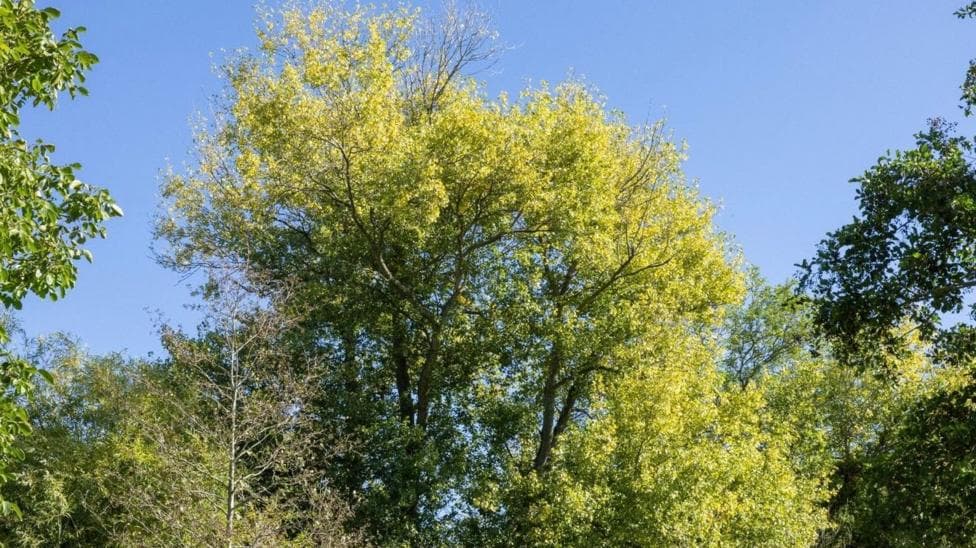
A conservation initiative is working to restore one of Britain's rarest native trees across the Thames Valley through DNA analysis and propagation. According to BBC News, black poplar populations have declined sharply due to centuries of tree felling, drainage schemes and habitat destruction, leaving the species on the brink of extinction in many regions.
The Swindon to Oxford: Regenerating the Thames and Tributaries nature recovery programme is partnering with local conservation organisations to rebuild black poplar numbers along the River Thames and its surrounding floodplain. Currently, only around 50 individual trees remain recorded in Oxfordshire, according to project participants.
Catrina Bass, who leads efforts at the Long Mead Foundation in Swindon, describes black poplars as striking specimens with distinctive gnarled trunks reminiscent of ancient fantasy landscapes. Beyond their visual appeal, these trees provide critical habitat for specialised wildlife, including the rare poplar hornet moth, which depends on them for survival.
The restoration work requires substantial investment and technical expertise. The project involves conducting DNA analysis on existing trees to understand genetic diversity, cultivating new saplings from cuttings of healthy specimens, and identifying appropriate riverside and floodplain locations for replanting. Initial backing from West Oxfordshire District Council and the Vale of White Horse Council has enabled the programme to begin, but organisers are now seeking £20,000 to complete the full restoration strategy. Oxfordshire County Council's Local Nature Recovery Strategy has pledged to match-fund the campaign up to £10,000, effectively doubling the council's contribution.
The Trust for Oxfordshire's Environment, which collaborates with community groups to finance local conservation initiatives, is also contributing to the effort. Benjamin Heaven Taylor, the trust's chief executive, emphasises that black poplars serve a vital ecological function beyond their rarity value. The trees help mitigate flooding by lining riverbanks and floodplains, where their root systems slow water movement and reduce downstream flood risk during heavy rainfall events.
Taylor notes that the surviving black poplar population is severely fragmented, with individual trees and small clusters isolated from one another across the landscape. This fragmentation limits natural reproduction and genetic exchange between populations.
The population that remained was "extremely fragmented", adding that it "needs a helping hand to recover".
Why black poplars matter for river ecosystems
Black poplars have historically lined English waterways, creating distinctive riparian corridors that support diverse plant and animal communities. Their decline reflects broader habitat loss affecting wetland-dependent species across Britain. The species' role in flood management has gained renewed attention as climate change increases the frequency and intensity of extreme rainfall events, making natural flood defences increasingly valuable to communities living near rivers.
Similar conservation efforts across Britain
This Thames Valley project reflects a broader pattern of native tree restoration work underway across the country. North Yorkshire's Forgotten Flora project similarly aims to revive the endangered black poplar population, now estimated at around 7,000 trees nationally, by cultivating saplings and planting them in wetlands to support natural reproduction. Meanwhile, a Sussex conservation project has recorded 5,570 ancient and veteran trees across a 314-square-kilometre area, demonstrating the scale of effort required to document and protect England's woodland heritage.
What happens next
The project team will continue fundraising to reach the £20,000 target needed for comprehensive DNA analysis, propagation and planting work. Once funding is secured, field surveys will identify the healthiest existing black poplars for genetic sampling, nurseries will begin cultivating new saplings, and suitable planting sites will be prepared along the Thames and its tributaries. The initiative aims to establish a self-sustaining population that can eventually reproduce naturally without ongoing intervention.