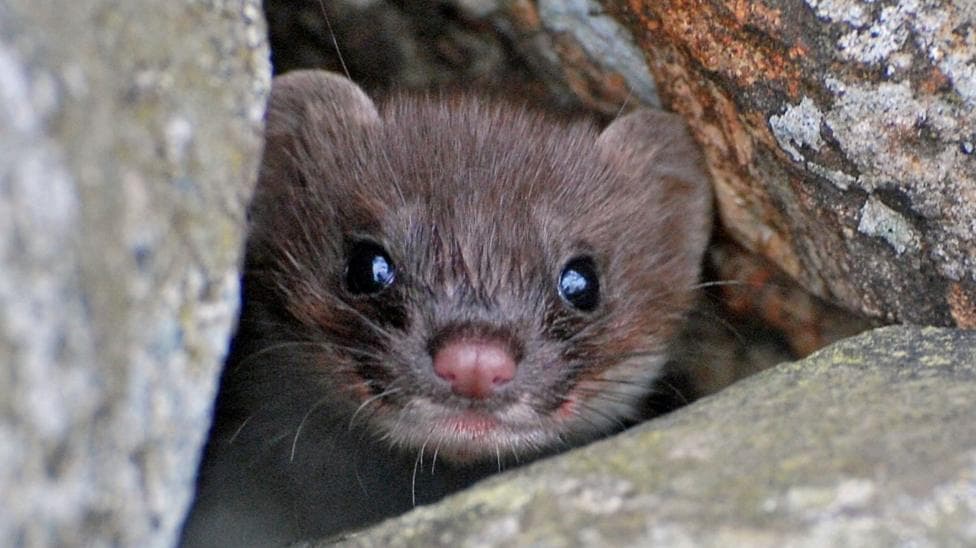
A second stoat has been trapped and killed on Rousay in Orkney, just weeks after the island's first confirmed invasive stoat was caught in October. According to BBC News, the mammals are not native to Orkney and prey on ground-nesting birds as well as the Orkney vole, a subspecies found nowhere else in the world.
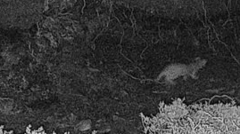
The first stoat on Rousay was trapped on 9 October near Loch of Loomachun as part of a £15 million eradication project. The second animal was detected on a trail camera close to the same location on 21 October and confirmed by project staff the following day, according to the Orcadian, before being found in a nearby trap and killed.
Conservationists said they could not be certain how the stoats arrived on Rousay. However, they noted that the animals are strong swimmers and may have crossed Eynhallow Sound, a narrow stretch of sea separating the island from mainland Orkney. The first Rousay stoat was identified as male through DNA analysis of droppings, and the project is now investigating whether the two animals are related and their origins.
Why are stoats a threat to Orkney?
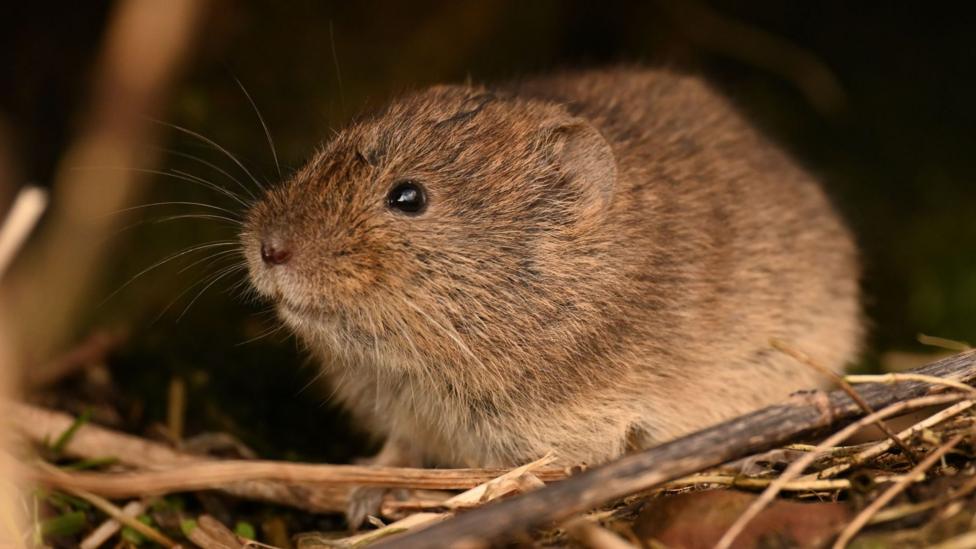
Stoats, which are related to weasels and otters, are native to mainland Scotland and other parts of the UK but have become an invasive species in Orkney. They usually hunt rabbits and small rodents such as mice, but in Orkney they prey on native ground-nesting birds and the Orkney vole, a subspecies that is larger and heavier than the common vole and exists nowhere else on Earth. Females can give birth to litters of six to 12 kits annually, allowing populations to expand rapidly if unchecked.
Orkney is an important breeding ground for curlews, red-throated divers, hen harriers and short-eared owls. Following earlier stoat removal efforts, the Orkney Native Wildlife Project reported a rise in vole activity and breeding of rare birds of prey, demonstrating the conservation value of eradication work.
What is the eradication project doing?
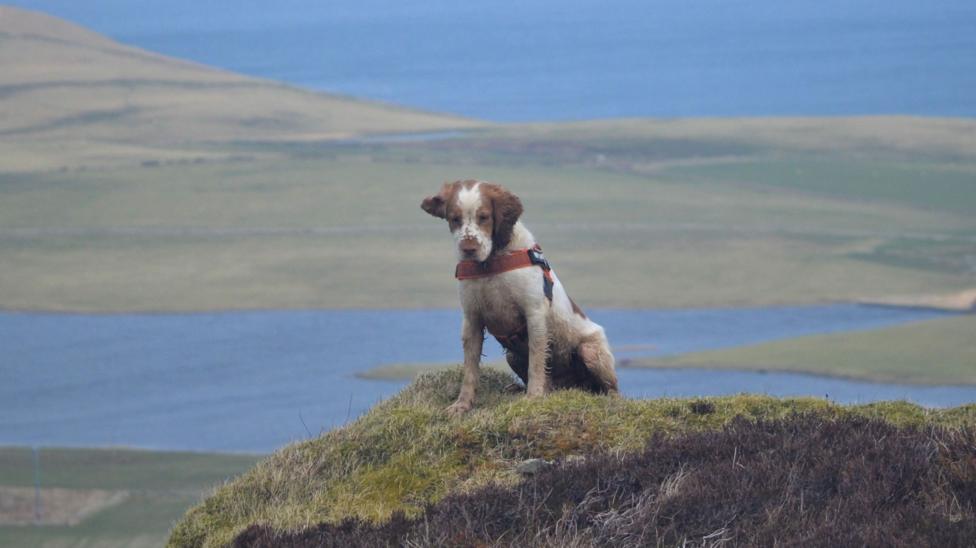
The Orkney Native Wildlife Project (ONWP) has been removing stoats from the islands since 2019 as part of the £15 million initiative. More than 9,100 stoats have been removed across Orkney in that period. The project uses trail cameras, traps and specially trained dogs that can detect stoat droppings, allowing teams to locate and remove the animals systematically.
Project manager Sarah Sankey expressed disappointment at the discovery of the second stoat on Rousay. She stated:
This is obviously a deeply concerning development, and it's especially unfortunate it has happened just weeks after the successful removal of the first invasive stoat from Rousay.The project had previously said it was increasingly confident the first stoat caught was the only one on the island, making the second discovery a significant setback.
However, Sankey indicated that existing traps, cameras and volunteer efforts could help the team make quick progress in catching the second animal, according to the Orcadian.
What happens next?
The project's immediate priorities are to catch the second stoat and establish whether any others are present on Rousay. The team plans to test fresh droppings and, working with Cardiff University, use DNA analysis to investigate whether the two animals are related and determine their origin. This genetic work may reveal whether the stoats arrived independently or represent a single breeding population that has expanded on the island.
The discovery of a second stoat underscores the ongoing challenge of invasive species management in Orkney and the need for sustained vigilance and resources to protect the islands' unique native wildlife.