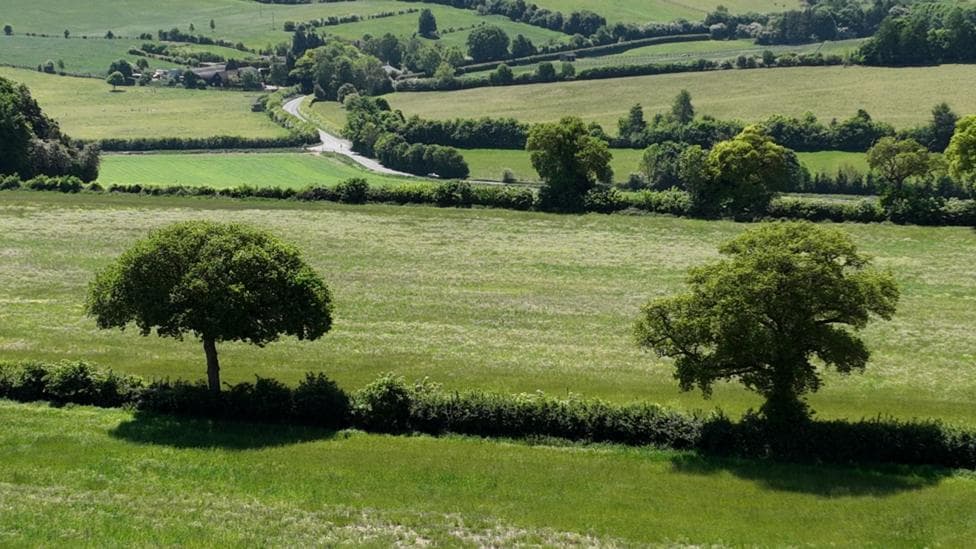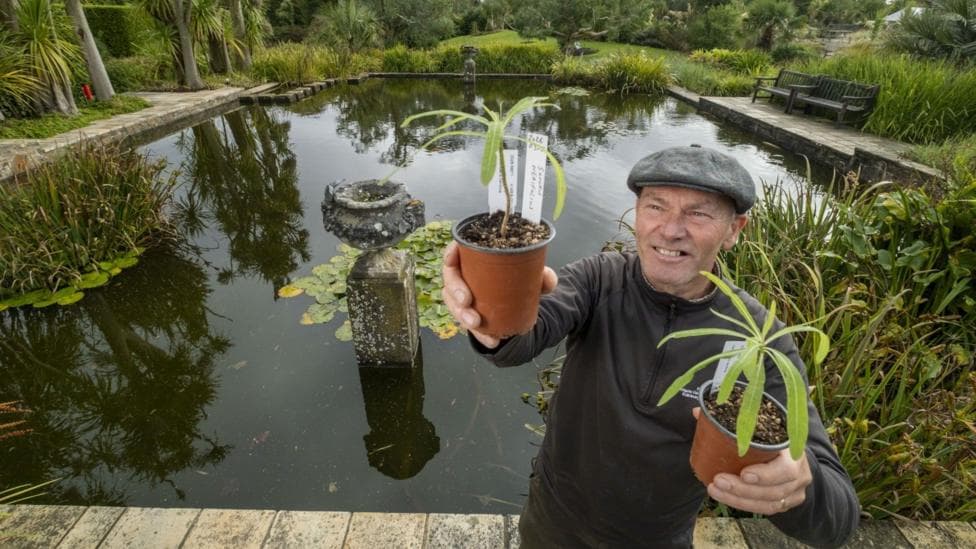
A conservation initiative restoring ancient woodlands across Sussex has surpassed its initial expectations, with volunteers recording more than 5,500 trees since the programme began in spring 2024. The Lost Woods project, which operates across a 314-square-kilometre area stretching from Lewes to Storrington, has now documented 5,570 trees of varying ages and significance, marking what project leaders describe as a major achievement in their ongoing effort to map and protect the region's woodland heritage.
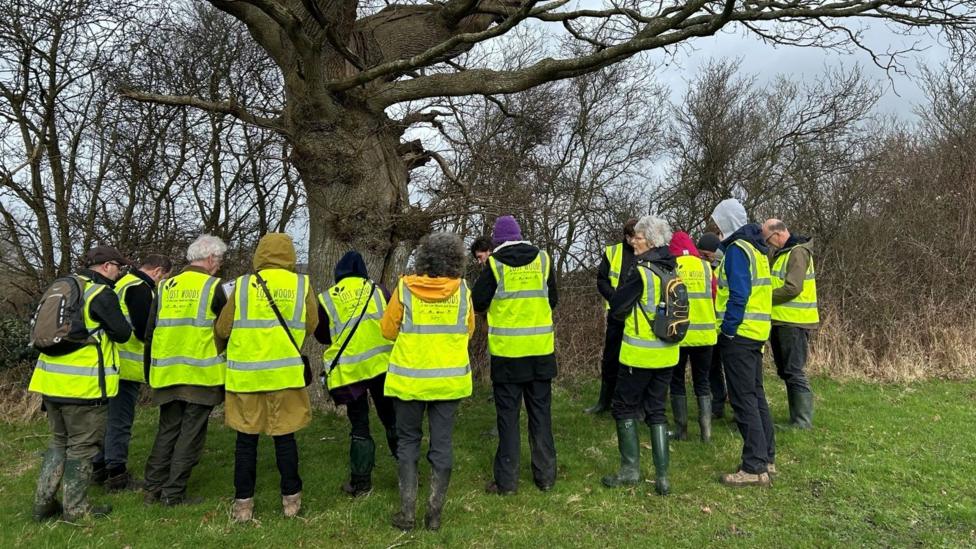
The initiative represents a collaborative effort between four conservation organisations: the Woodland Trust, Action in Rural Sussex, Sussex Wildlife Trust and the Small Woods Association. Funded by the National Lottery Heritage Fund, the Lost Woods project forms part of a larger restoration programme comprising 19 separate initiatives across different regions. Bob Epsom, the outreach adviser leading the team, highlighted the significance of the milestone, noting that the recorded figure exceeds what the team had anticipated at the project's outset.
How are volunteers contributing to the project?
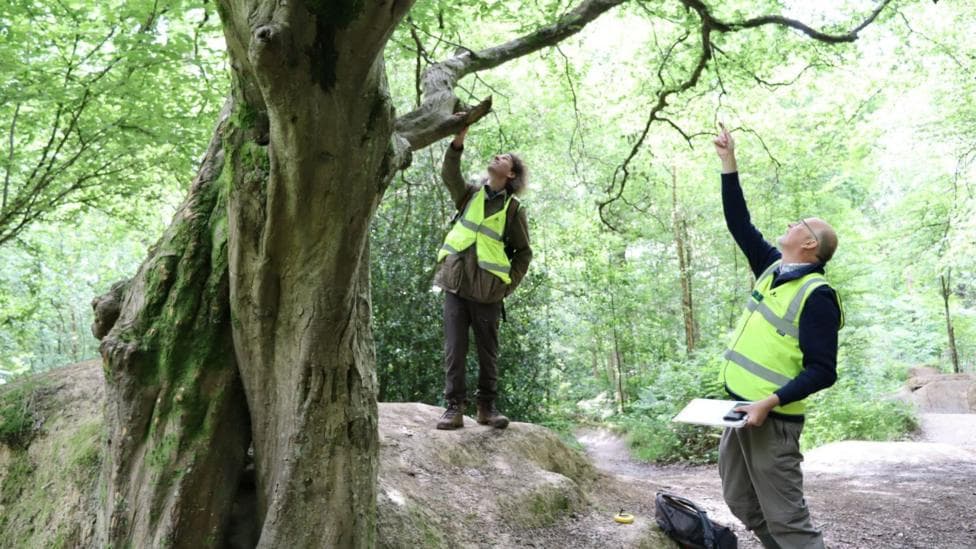
Approximately 20 volunteers are each assigned a one-square-kilometre area to systematically search and document trees within their designated zones. Once volunteers record a tree and their findings are verified, the information is added to the Ancient Tree Inventory, a national database that has been cataloguing the UK's oldest and most significant trees for two decades. The mapping process itself was developed and tested during an earlier trial phase, which began in October 2019 with a small team of five volunteers.
The scale of individual contributions has been substantial. According to the Woodland Trust's Lost Woods documentation, one volunteer from Lindfield, David Riley, recorded 300 trees in just four months, demonstrating the intensive nature of the fieldwork. The project has proven so popular that volunteer applications for tree recording are currently paused because the initiative has been overwhelmed by offers of help.
What types of trees have been recorded?
The 5,570 trees documented fall into distinct categories based on their age and characteristics. Of these, 348 are classified as ancient trees—those in the final stage of their life cycle. A further 2,467 are notable trees, mature specimens that are significantly larger than other trees in their immediate surroundings. The largest category comprises 2,743 veteran trees, which are survivors that have developed some of the distinctive features associated with ancient trees. The remainder fall into other classification categories.
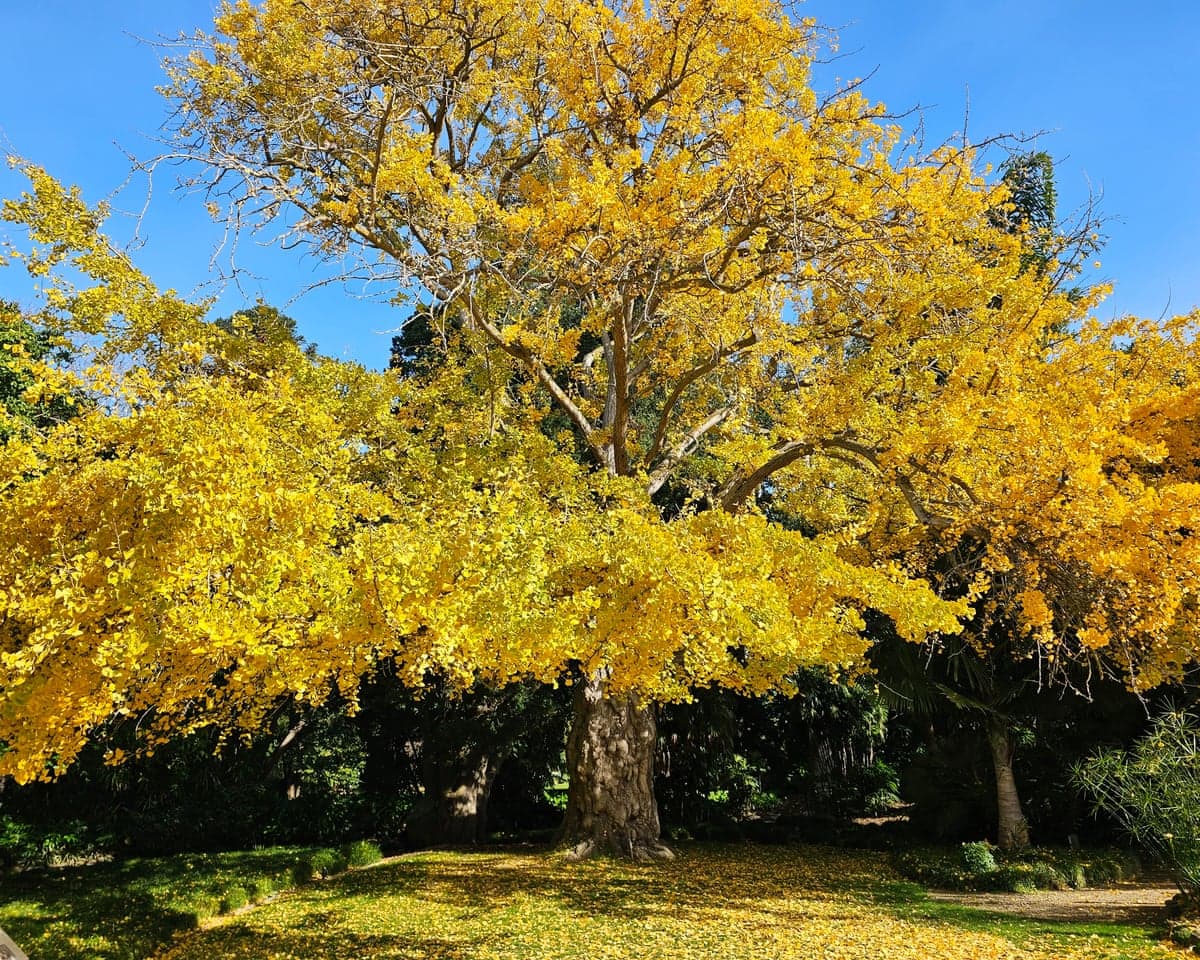
These trees hold considerable ecological value. According to Epsom, ancient and veteran trees are "very important for the landscape" and "very important for biodiversity" because of the fungi they support. One recorded oak in the project area measures 6.3 metres in diameter, exemplifying the scale and age of some specimens being documented.
What is the broader significance of this work?
Epsom emphasised that the recording process represents only the initial phase of a longer-term conservation strategy. The ultimate objective extends beyond simply identifying and mapping these trees.
"We need to make sure that trees are recognised, cared for and protected so that they can continue to support wildlife and communities for generations to come."This statement reflects the project's commitment to ensuring that documented trees receive appropriate management and legal protection in the future.
The financial investment in the project underscores its importance. According to the Woodland Trust's Ancient Tree Inventory blog, the project's 2022 delivery grant was valued at £2.03 million, reflecting the scale and ambition of the conservation effort.
What happens next?
Volunteers are working to identify and record every ancient and veteran tree across the project area by the end of next year. Epsom acknowledged that the team still has "a reasonable amount to cover" before reaching this target. The Lost Woods project is scheduled to run until autumn 2027, providing additional time for comprehensive documentation and the implementation of protection and management strategies for the recorded trees.
Key Facts
- 5,570 trees have been recorded across a 314-square-kilometre area from Lewes to Storrington since March 2024
- The recorded trees include 348 ancient trees, 2,467 notable trees, and 2,743 veteran trees
- About 20 volunteers each cover one square kilometre, with recorded data added to the 20-year-old Ancient Tree Inventory
- The project is funded by the National Lottery Heritage Fund and involves four conservation charities
- The initiative is scheduled to continue until autumn 2027, with the goal of comprehensive tree protection and community benefit