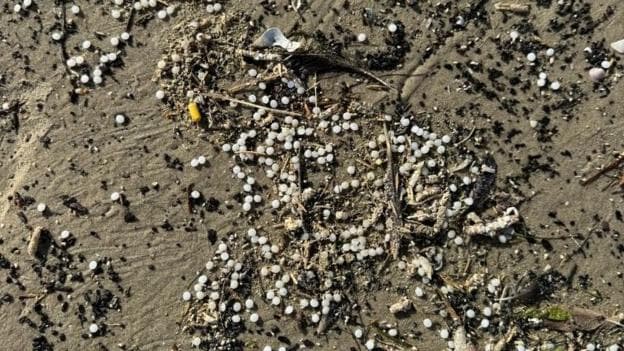
Plastic pellets discovered along Denmark's coast in autumn are likely to have originated from a major spill in north-east England, according to the Danish Environment Protection Agency. The agency has confirmed that tests on the microplastics suggest they came from the River Tyne incident in August, with their arrival in Denmark in late September and early October consistent with North Sea circulation patterns.
According to BBC News, masses of plastic pellets were discovered along Denmark's western coast in September. The Danish Environment Protection Agency determined that the nurdles shared the same characteristics as the approximately one billion pellets released in north-east England, and their timing and location matched expected ocean current behaviour in the North Sea.
The spill resulted from a collision on 19 July between the vessel Wind Orca and the berthed BG Orange at the Port of Tyne, which released an estimated 17.92 tonnes of nurdles into the marine environment. By 23 September, 5.14 tonnes had been recovered from the water and beaches, though recovery efforts have faced challenges.
Signe Simonsen, head of startup Race for Oceans Technology, first encountered the nurdles on the island of Mandø in Denmark on 26 September.
There were just so many milk white plastic pellets. So many that I've never seen before in this area.She subsequently drove along the coasts of several nearby islands positioned at roughly the same latitude as Newcastle, finding nurdles
all overwhere the tide had deposited them.
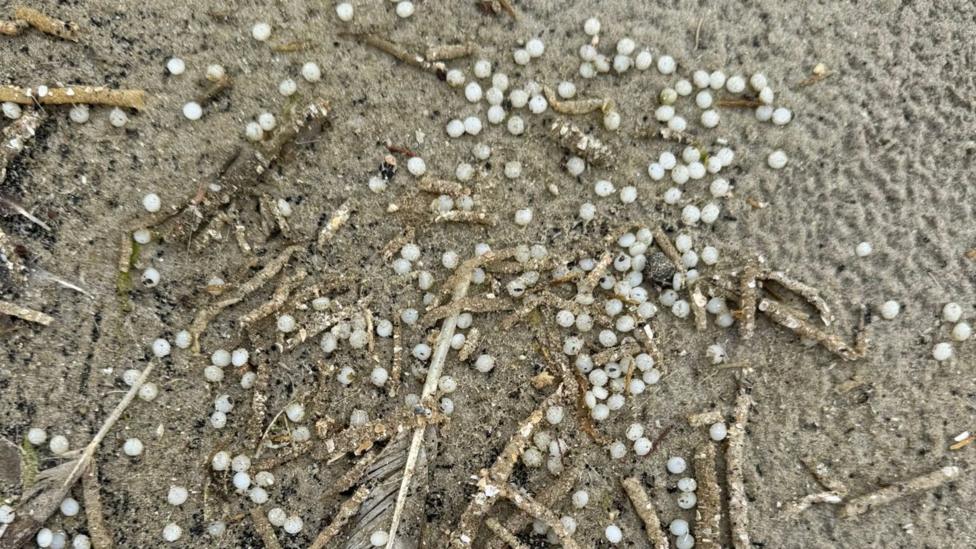
Simonsen collected samples from ten different locations along the Danish coast and from Sylt in Germany. She described the discovery as having made her
really sadgiven the
pristinecharacter of the Wadden Sea. She then provided samples to the Danish Environment Protection Agency for analysis.
The agency, working alongside Aarhus University, identified an additional factor supporting the connection to the Tyne spill: the absence of any other recorded spill incidents in the region that could account for the pellets' presence. The nurdles have also washed up along the north-east English coast, including areas around Teesside and Durham.
How much of the spill has been recovered?
Recovery rates remain limited despite ongoing efforts. Newcastle University modelling estimates that 2.2 tonnes—approximately one in eight of the spilled pellets—remained in the Tyne estuary six weeks after the spill, with high autumn flows potentially carrying some downstream. As of September, roughly 28% of the nurdles are believed to have been recovered overall.
The recovery operation has been complicated by the scale of the dispersal. Newcastle University's modelling found that about 62% of the pellets had left the river by 3 August, while 16% remained in the estuary on 30 August, before accounting for cleanup removals. A temporary barrier was deployed near the spill source on 22 July, three days after the collision, but pellets were subsequently reported more than 30 miles south of the initial incident.
What happens next in the recovery effort?
Recovery partners are reviewing scientific guidance to shape the next phase of operations. The Recovery Working Group is developing thresholds to determine when to transition from active cleanup to monitoring and when renewed accumulation should trigger additional recovery work. Specialist recovery support from Ambipar is scheduled for the spring tides on 28 October and 9 November.
Newcastle University's Against the Flow project is beginning fieldwork this autumn, including drone surveys, tidal-cycle net sampling, sediment sampling and laboratory analysis. Research on seabirds found dead after the spill is expected to continue into December, as scientists assess the ecological impact of the microplastic contamination.