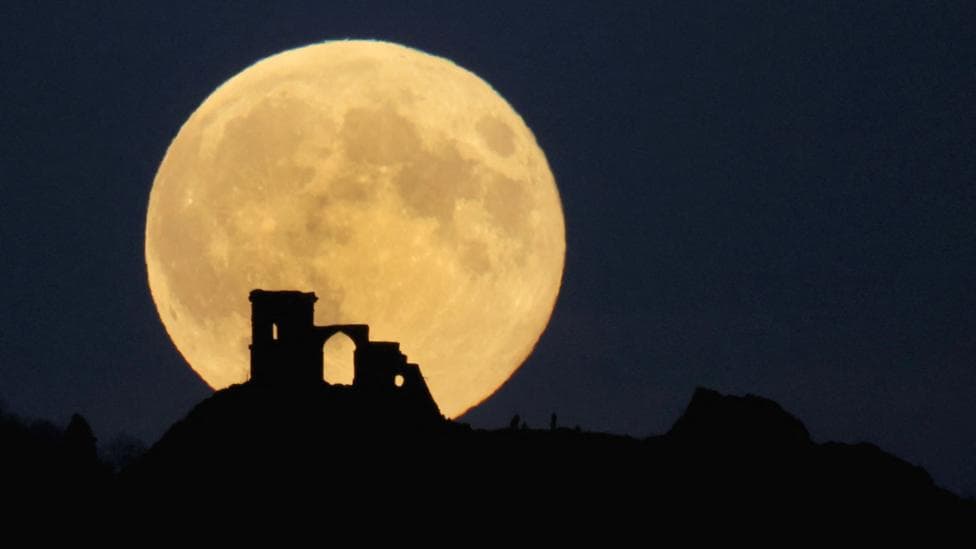
October's full Moon, known as the Hunter's Moon, will brighten the night sky across the UK this weekend. According to BBC News, the Moon will be visible from Sunday 25 October into the morning of Monday 26 October, marking the 11th full Moon of 13 expected in 2026 and the final one before a sequence of four consecutive supermoons.
This lunar event follows September's Harvest Moon, which illuminated UK skies with striking views after darkness fell on 26 September. The Hunter's Moon will offer skygazers a similar opportunity to observe a prominent celestial event, though weather conditions will play a crucial role in visibility.
When can you see the Hunter's Moon?
The Moon will rise in the east just after 16:00 GMT on Sunday and set towards the west between 07:00 and 08:00 GMT on Monday, with exact times varying across different regions of the UK. The moment of official fullness occurs at 04:11 GMT on Monday, known as "syzygy", when the Sun and Moon align on opposite sides of the Earth.
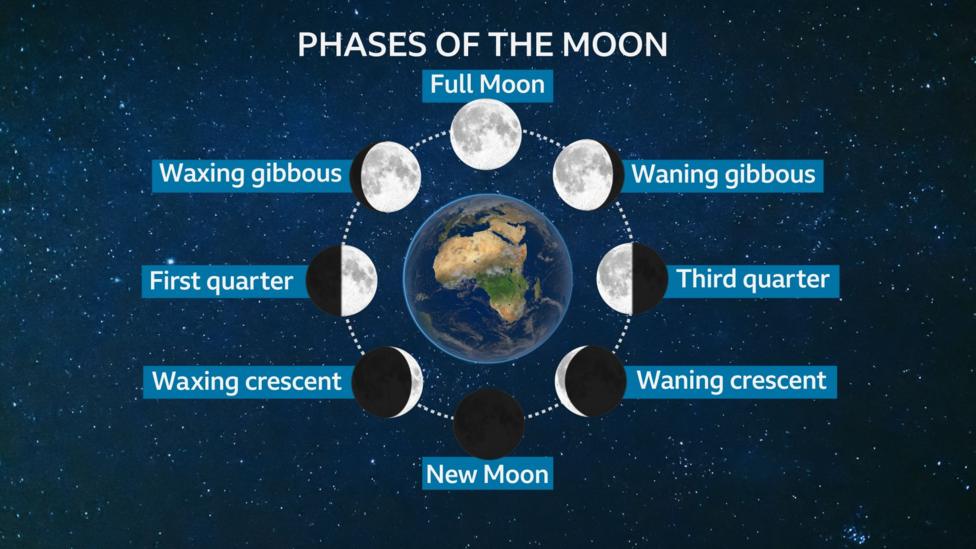
Observers will have two opportunities to spot the full Moon, as it will appear full on both Sunday and Monday nights. During a full Moon, the entire Earth-facing hemisphere of the lunar surface becomes illuminated by the Sun. This illumination happens because a full Moon occurs every 29.5 days—the complete length of the lunar cycle.
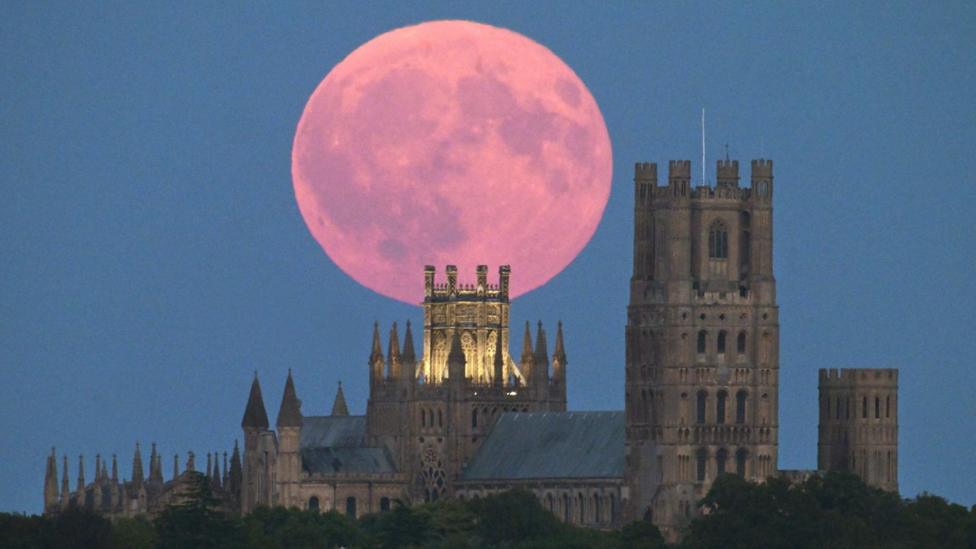
When the Moon sits low on the horizon, it may display an orange or reddish tint. This colouration results from the scattering of short-wavelength blue light as it travels through a greater depth of the atmosphere. The longer-wavelength red and orange colours pass through the atmosphere more readily and reach observers' eyes.
The Moon may also appear noticeably larger near moonrise and moonset due to the "Moon Illusion", a phenomenon where the brain perceives the Moon as bigger when it is viewed alongside objects on the horizon such as buildings and trees.
What is the origin of the Hunter's Moon name?
Full Moons throughout the year have traditionally received names reflecting seasonal activities and natural occurrences. Different cultures employ different naming conventions for the 12 or 13 full Moons in the lunar calendar, though many names used in English-speaking countries originate from Native American traditions.
October's Hunter's Moon derives its name from the historical period when hunters would have been most active, preparing for the colder and darker winter months. This Moon is renowned for remaining visible in the sky for an extended duration—similar to the preceding Harvest Moon—providing hunters with additional light during evening hours for their activities.
Will weather permit viewing?
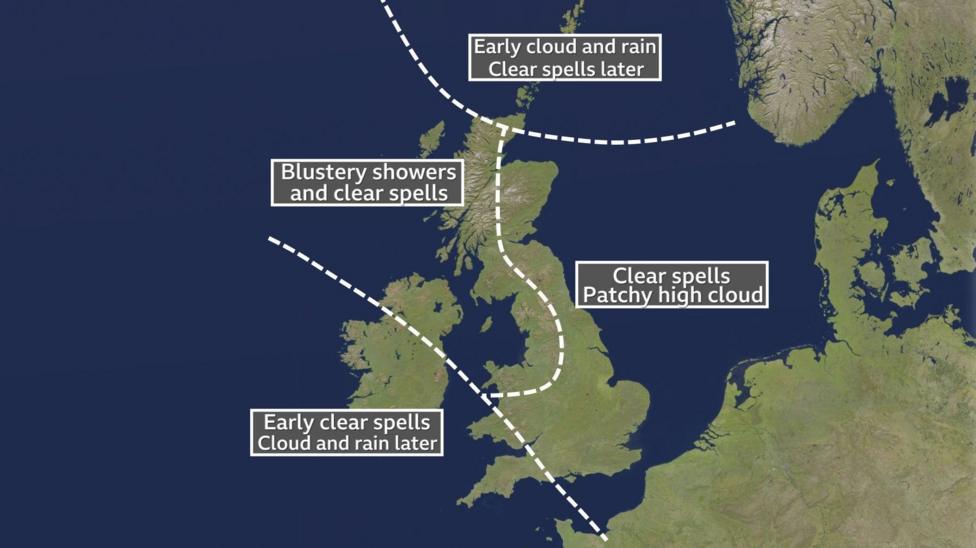
Weather conditions will significantly affect viewing opportunities across the UK on Sunday night. Storm Boelo will bring rain and very strong winds to northern Scotland early on Sunday evening, though prospects for Moon viewing will improve as the night progresses. West Scotland and north-west England will experience blustery showers, with brief viewing opportunities possible during gaps between weather systems.
The remainder of the UK faces better prospects, particularly early in the evening when clearer skies are expected. Cloud cover will tend to spread from the south-west later in the night, potentially obscuring views. If weather conditions prevent observation in your location, the next full Moon will occur on 24 November as the Beaver Supermoon, followed by a Christmas Eve Cold Supermoon on 24 December.
Can you spot the Orionid meteor shower?
Beyond the full Moon itself, observers may also catch glimpses of shooting stars from the Orionid meteor shower. According to NASA, the Orionids peaked on the night of 21–22 October and remain active through 7 November 2026. NASA estimates viewers may see approximately 3–6 Orionid meteors per hour in suburban areas, with the meteors originating from debris left by Halley's Comet.
The bright lunar light during a full Moon may obscure some meteors, so patience and time for eyes to adjust to darkness will improve chances of observation. The Orionids are produced as Earth passes through debris from Halley's Comet and are visible in both the Northern and Southern hemispheres.
What astronomical events follow?
The succession of supermoons will continue beyond December, with January and February 2027's full Moons both expected to be supermoons. Following the Orionid meteor shower, the Southern Taurids are expected to peak on 5 November 2026, offering another opportunity for meteor observation in the coming weeks.