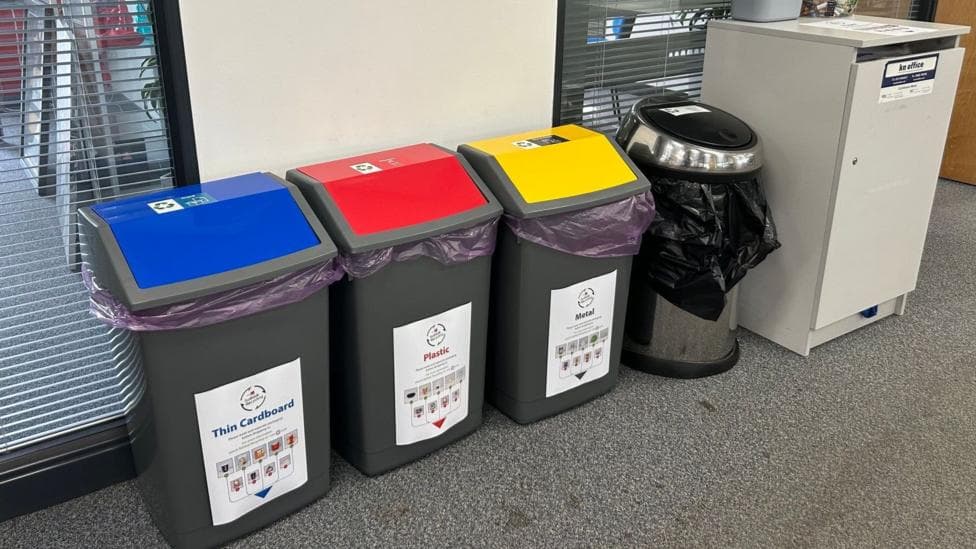
Businesses across Wales are legally required to sort waste into the same recycling categories that households must use, yet participation rates at work remain significantly lower than at home. New data reveals that only 61% of people in Wales recycle regularly during their working day, compared with 94% who do so at home—a gap that experts say reflects a widespread belief that recycling is not part of an employee's core responsibilities.
The disparity highlights what waste reduction charity Wrap describes as substantial scope for enhancement in workplace recycling practices. Among those surveyed, one in five workers reported they had not observed appropriate recycling facilities at their workplace, while just 30% said they had seen comprehensive recycling infrastructure despite the legal requirements now in place.
How can businesses improve workplace recycling?
Businesses can make meaningful progress through practical measures such as installing additional bins and implementing clearer labelling systems, according to Wrap. One recruitment firm has already demonstrated what is possible through structural change. Acorn by Synergie, based on the outskirts of Newport, transformed its waste management after moving into its current offices in 2003. The company initially generated six large wheelie bins of rubbish each week but now produces just one weekly collection thanks to expanded recycling efforts, particularly the introduction of food waste separation following the Welsh government's Workplace Recycling Law in 2024.
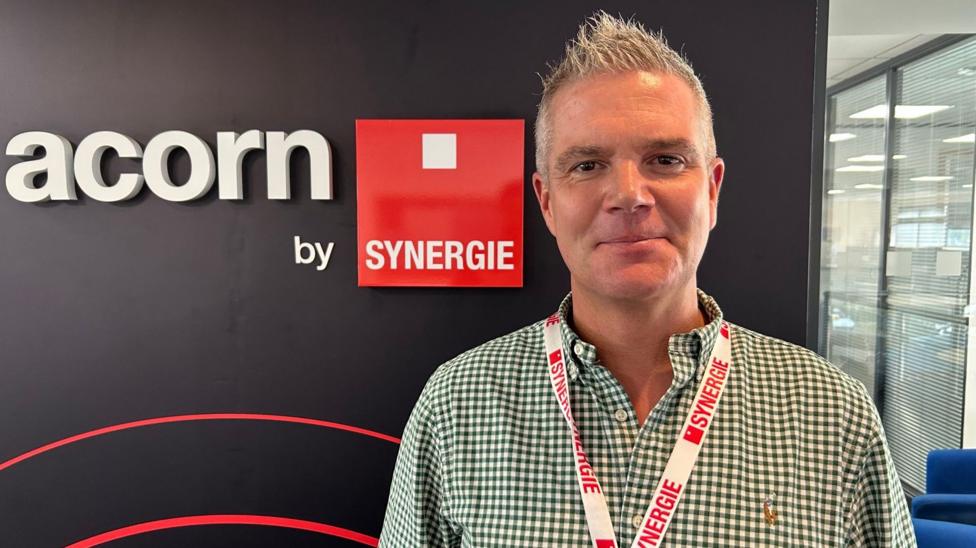
The company's most significant intervention involved eliminating individual desk bins and personal waste stations. Director Mark Rudge explained the rationale:
The main thing that we changed was removing desk bins and individual bins. We had quite a bit of resistance to that. Individuals liked having their own little waster station. But we put central recycling areas within each zone of the business, and eventually, people get the hang of that. A lot of home recycling is extremely similar, so people brought those good habits to the workplace.
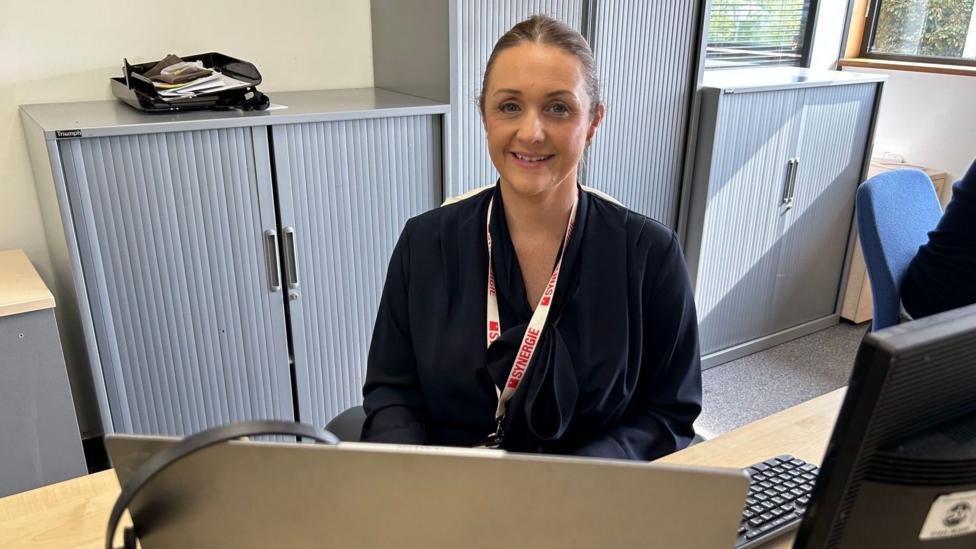
Staff initially resisted the change, but the approach proved effective. Office worker Ann-Marie Derrick noted that colleagues found the transition challenging at first but that the practice had become routine.
Anybody new coming to the office is just straight away onboard and I think we're probably quite proud as a team about how much recycling we do.She added that she now finds it surprising to visit other offices that lack separate recycling bins.
Anthony Lee, the company's environmental manager, reported that staff required several months to fully adopt their home recycling habits in the workplace, but that this period resulted in a marked improvement in compliance rates.
Why do fewer people recycle at work than at home?
Wrap's annual tracking survey found a stark contrast between home and workplace behaviour. Although 94% of Welsh residents recycle at home, the figure drops to 61% for those who recycle very often at work. The disparity is even more pronounced among students, with fewer than half of college and university attendees recycling regularly in their educational settings.
Rebecca Colley-Jones, a waste management consultant, attributed much of this gap to a fundamental perception issue.
When people come to work, they come to work, they don't necessarily thing recycling is part of their job description.She noted that home recycling benefits from social pressure—neighbours observe and judge recycling behaviour—whereas workplaces lack this enforcement mechanism.
Our home is our castle, we're responsible for the waste and people are under a little bit of pressure, perhaps from their neighbours to look like they're recycling. Whereas you don't have that in the workplace.
Colley-Jones emphasised that individuals must recognise recycling as part of their broader responsibility to their employer's culture and to Wales as a nation.
It's trying to get people to understand that they also need to be buying into the culture of an organisation, and also the culture of Wales as a country. We are the second-best recycler in the world.
Several workers interviewed described practical barriers to workplace recycling. Gerwyn Pugh, 56, from Barry, admitted that he bins rubbish rather than recycling when away from home.
I don't recycle as much when I am out and about, I just bin it. It's routine [at home], but out and about every bin takes a bit more time to work out.James Jenkins, 30, reported that he often carries rubbish home because his workplace offers limited recycling options.
We only recycle cardboard because that's our only waste. The more industrialised businesses need to do more, because they'll have more of an impact than smaller businesses.Natalie James, 47, who works at a hospital, found that comprehensive recycling infrastructure made compliance easier.
Because I work at a hospital we've got the recycling categories everywhere, so we have to.
What are the legal requirements for workplace recycling in Wales?
Under the Workplace Recycling Law introduced in 2024, businesses in Wales must separate waste into multiple categories. According to Welsh Government guidance updated in October 2026, the required separate recycling streams include paper and card; glass; metal, plastic and cartons; qualifying food waste; unsold small electrical and electronic equipment; and unsold textiles.
Food waste handling carries specific requirements. Food waste must be separated if a workplace produces 5kg or more in any seven-day period, and food waste of any amount cannot be disposed of down a sink or drain into the sewer. Additionally, the regulations ban sending all wood waste to landfill.
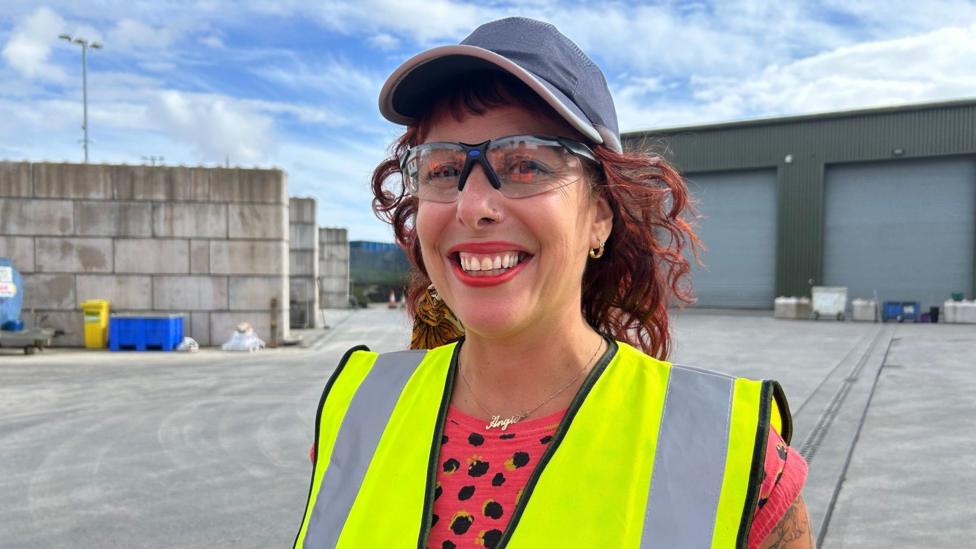
Angela Spiteri, senior marketing manager at Wrap, acknowledged that workplace recycling remains relatively novel for many workers.
It's still a relatively new thing to have recycling bins when we're away from home. It's a very positive step in the right direction for Wales, but it's not perfect and there's a lot of things we can do to improve.She stressed that businesses bear responsibility for making recycling accessible.
She said there was a responsibility on businesses to ensure that was possible, providing the right bins and facilities for people to make that easier.
Unclear signage and labelling remain obstacles to correct recycling. Spiteri noted that confusing or absent instructions can deter workers from attempting to recycle, particularly in unfamiliar settings.
How are local authorities implementing the new rules?
Collection arrangements vary across Wales depending on local authority jurisdiction. In the Vale of Glamorgan, businesses use a combination of council and private collection services. The local authority reported that the transition to separated waste has yielded higher-quality recycling overall.
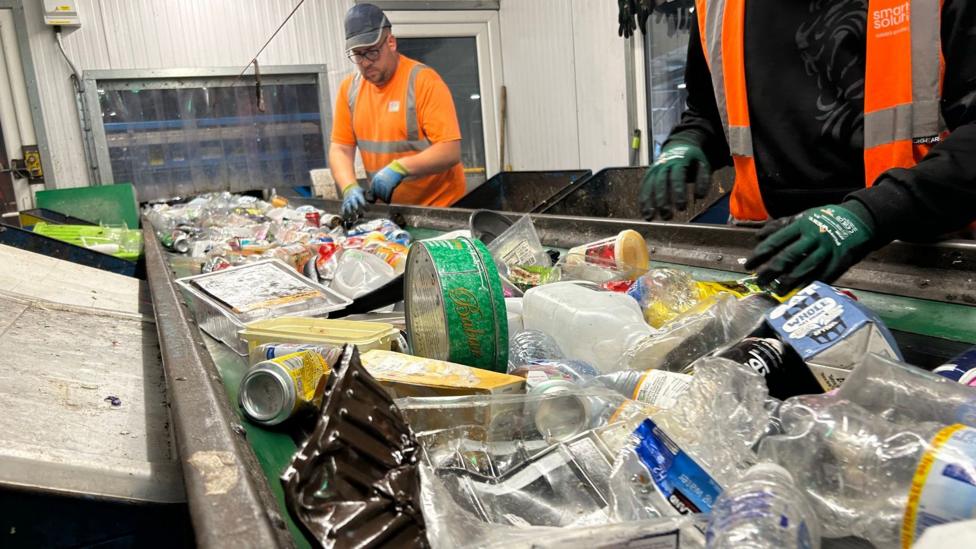
Carys Stephens, the council's waste project officer, described a largely positive reception from the business community.
There's obviously going to be some that are critical of the idea, and they're worried about extra costs and effort that goes into segregated recycling. But we've been doing segregated recycling for a couple of years now, and most people just take it in their stride.She noted that while some businesses expressed concern about additional costs and administrative burden, most have adapted without significant disruption.
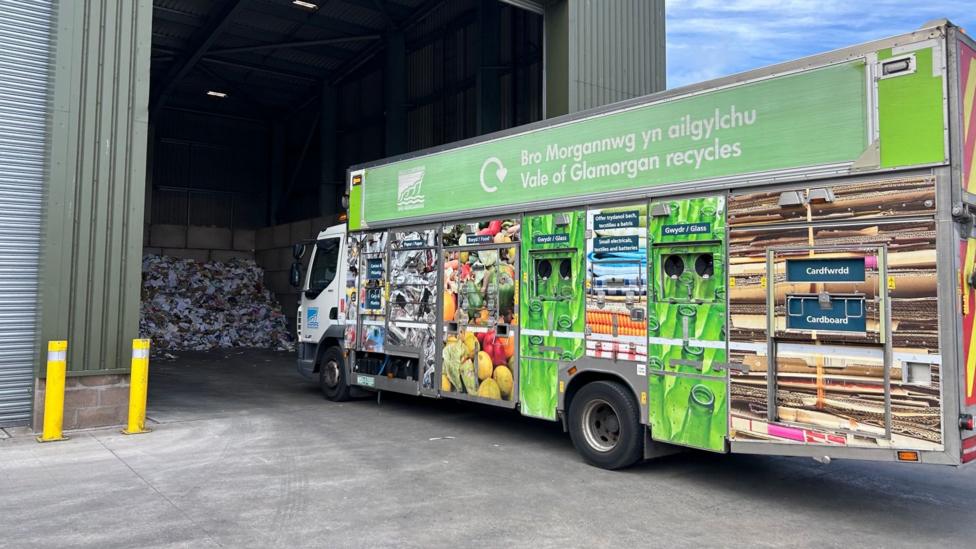
The Vale of Glamorgan council offers three tiers of collection service tailored to business size and waste volume, allowing organisations to select arrangements matching their needs.
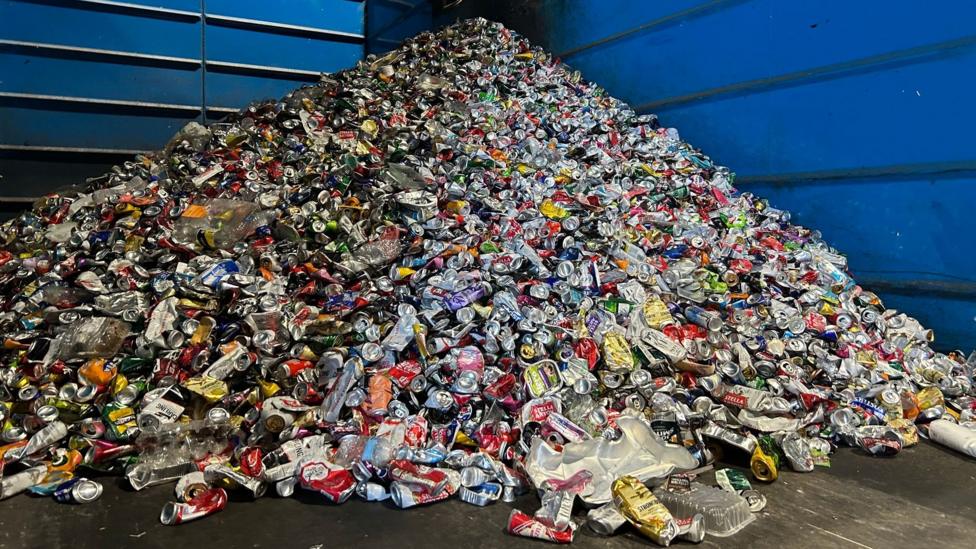
Colley-Jones acknowledged that the regulatory changes have imposed costs on businesses and that varying collection arrangements across different areas can create confusion. However, she expressed confidence that compliance rates will improve as the system matures.
Although Wales' workplace recycling rates are reasonably high, there's lots of room for improvement. It is a new system, so there's always a period of settling down. She said that she was sure we would see that 61% rise.She noted that hospitality and tourism businesses face particular challenges, as they must educate customers about proper recycling practices.
What is the current compliance status?
Natural Resources Wales, which monitors compliance on behalf of the Welsh government, oversees workplace waste separation requirements and the bans on sending separately collected recycling to landfill or incineration, while local authorities regulate the ban on disposing of food waste to sewer from non-domestic premises. To date, no workplace has been prosecuted for failing to comply with the new regulations.
In the first two years following implementation, Natural Resources Wales found that 56% of businesses were fully compliant with the requirements. The organisation provided advice and support to non-compliant companies, with the majority taking steps to address their shortcomings. A spokesperson stated that this supportive approach reflects recognition that the system is still establishing itself and that most businesses are willing to adapt once they understand the requirements.
Colley-Jones emphasised that Wales' position as the world's second-best recycler by rate creates both opportunity and responsibility. Improving workplace recycling participation would strengthen this standing and reduce the volume of waste sent to landfill, offsetting some of the increased costs businesses face through collection and segregation.