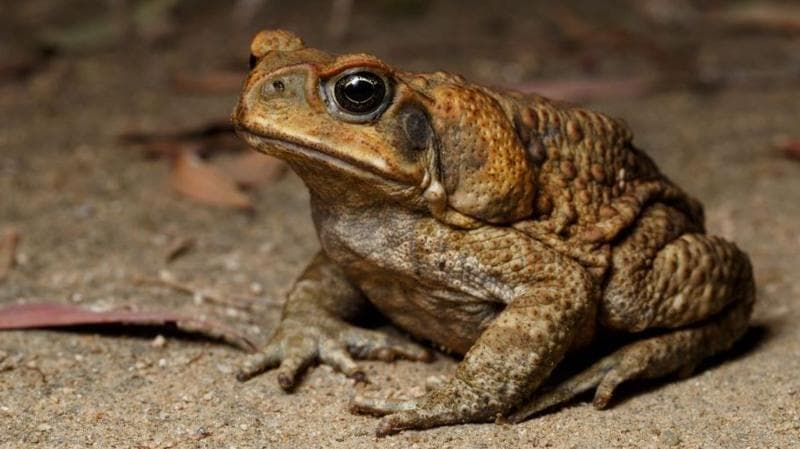
Rio Tinto is committing millions of dollars to prevent the poisonous cane toad from reaching the Pilbara region of western Australia, where the company operates a vast iron ore business. According to BBC News, the mining firm, working alongside Curtin University in Perth and others, will spend A$28 million (£14.5 million) to construct a "toad containment zone" designed to block the pest's southward advance. The project represents a significant effort to protect the region's unique ecosystem from an invasive species that produces toxins lethal to native wildlife.
The investment has been structured as a joint venture, with Rio Tinto and the Rhodes Ridge Joint Venture splitting the A$28 million equally. The Rhodes Ridge partners comprise Rio Tinto (50%), Mitsui (40%) and AMB Holdings (10%). Although the cane toad poses no direct commercial threat to Rio Tinto's operations, the company has made ecosystem protection a priority as part of its commitment to rebuilding trust with Indigenous communities following past controversies.
Rio Tinto has faced significant criticism in recent years for its environmental and cultural record in the Pilbara. The firm previously destroyed two sacred Aboriginal rock shelters in the region that sat above substantial iron ore deposits, a decision that cost the former chief executive his job and triggered widespread backlash. This new initiative signals a shift in approach toward collaborative conservation efforts with local Indigenous groups.
Roberta Hunter, a ranger in Australia's Nyangumarta Warrarn Indigenous Protected Area, expressed strong support for the containment strategy.
Cane toads destroy the water and animals. When toads come close to our country, we want to be there to stop them because we don't want the country to be destroyed.Her comments reflect the deep concern among Indigenous communities about the ecological damage the invasive species could inflict on their traditional lands.
How will the containment zone work?
The strategy involves creating a barrier across 7,500 square kilometres of land positioned between the Great Sandy Desert and the Indian Ocean. The plan requires modifying or containing 685 water-infrastructure items across six pastoral stations, targeting the toad's critical dependence on water sources. During drier months, cane toads require access to water every few days to survive, and without natural sources they rely on artificial water points typically used for cattle and irrigation.
The funding will be directed toward preventing toads from accessing dams, storage tanks and other ground-level water sources across the containment zone. By eliminating these water access points, the project aims to create an inhospitable corridor that the toads cannot cross. The initiative is designed to protect approximately 27 million hectares of habitat from impacts to an estimated 25 native species.
Which native species are at risk?
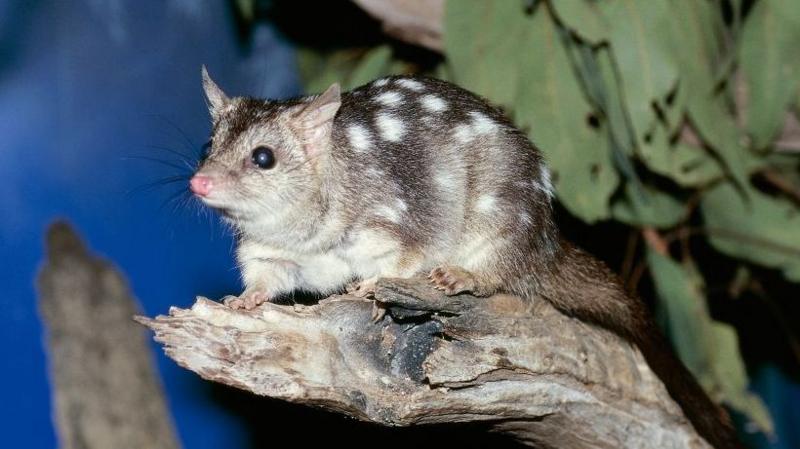
Several iconic Australian animals face serious threats if the cane toad establishes itself in Pilbara. The northern quoll, whose population numbers have been declining, stands among the most vulnerable species. Other at-risk animals include the goanna lizard and the ghost bat, all of which lack natural defences against the toad's potent toxins.
Australia's broader extinction crisis underscores the urgency of this containment effort. While the country faces mounting habitat loss and invasive species pressures, conservation successes do occur—such as the numbat's recovery from endangered to near-threatened status, which offers conservationists a rare win in an otherwise challenging landscape.
How did cane toads arrive in Australia?
The cane toad was deliberately introduced to Australia in 1935 to control beetles within the sugar cane industry. The plan backfired catastrophically. Since their introduction, the toads have advanced steadily westward across the country's northern landscape, travelling between 40 and 60 kilometres annually according to the Australian government. The species has no natural predators or diseases to control its population, and it defends itself effectively using poison.
The toad front is now estimated to be approximately 100 kilometres from Broome, placing it within striking distance of the Pilbara region. Without intervention, Ben Phillips, a professor at Curtin University, warned that the toads would reach Pilbara within two decades.
The toad containment zone is a once in a lifetime opportunity to stop one of the world's worst invasive species in its tracks and protect the region's unique wildlife.
What has led to this point?
Government efforts to address the cane toad threat have been building momentum. The Western Australian government provided A$340,000 in 2024 for initial exploratory work, and its water department convened an industry-and-expert workshop in 2025 to develop strategies. These preliminary steps laid the groundwork for the larger-scale intervention now being funded by Rio Tinto and its partners.
When will the project begin and how long will it take?
The five-year containment project is scheduled to commence in 2027. Construction is expected to take between two and five years, with ongoing monitoring and supplementary work continuing beyond the initial build phase. The extended timeline reflects the complexity of modifying water infrastructure across such a vast and remote region while ensuring the containment barrier remains effective.
Key Facts
- Rio Tinto and Rhodes Ridge Joint Venture are investing A$28 million equally to build a toad containment zone across 7,500 square kilometres of Pilbara land
- The barrier will target the cane toad's dependence on water by modifying or containing 685 water-infrastructure items across six pastoral stations
- The project aims to protect approximately 27 million hectares of habitat for an estimated 25 native species, including the northern quoll, goanna lizard and ghost bat
- Cane toads, introduced to Australia in 1935, have advanced westward at 40–60 kilometres annually and are now estimated to be 100 kilometres from Broome
- Construction begins in 2027 and is expected to take two to five years, with monitoring continuing thereafter