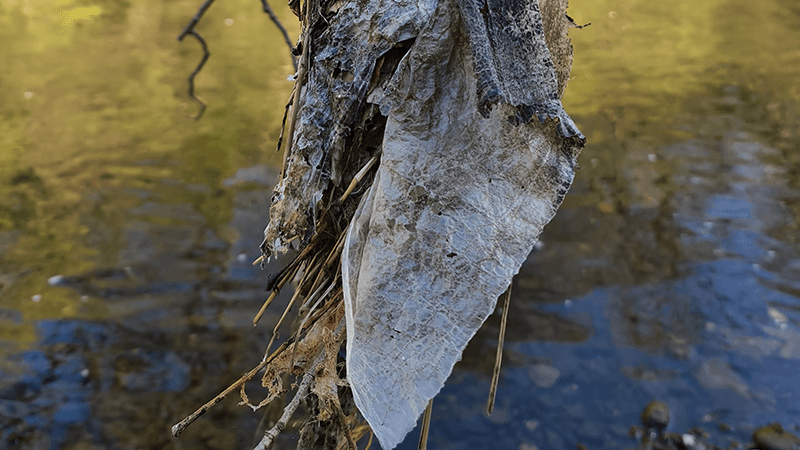
More than 76,000 sewage spills were documented following the installation of new monitoring equipment at waste overflow sites across Scotland, according to BBC News analysis. The deployment of 1,009 sewer monitors in 2024 expanded the proportion of the Scottish Water network under observation from 6% to 30%, revealing tens of thousands of discharges that would have previously gone undetected, including hundreds at scenic locations such as Loch Lomond.
Scottish Water stated that the overwhelming majority of these spills posed no environmental harm, and that the expanded monitoring had deepened understanding of the sewer network's operation. The latest data shows that monitored overflows operated an average of 2.5% of the time in 2025, with nearly 20% not operating at all that year.
How do sewage overflows work?
Sewage spills occur automatically at overflow sites, which are legally permitted to release excess water into natural waterways. These installations typically consist of a pipe positioned well above the normal water level, functioning as an escape route when the system becomes overwhelmed. The overflows serve as relief valves, preventing the sewer system from backing up during intense rainfall and flooding into homes, businesses and streets. Individual spills can last anywhere from a few minutes to several hours.
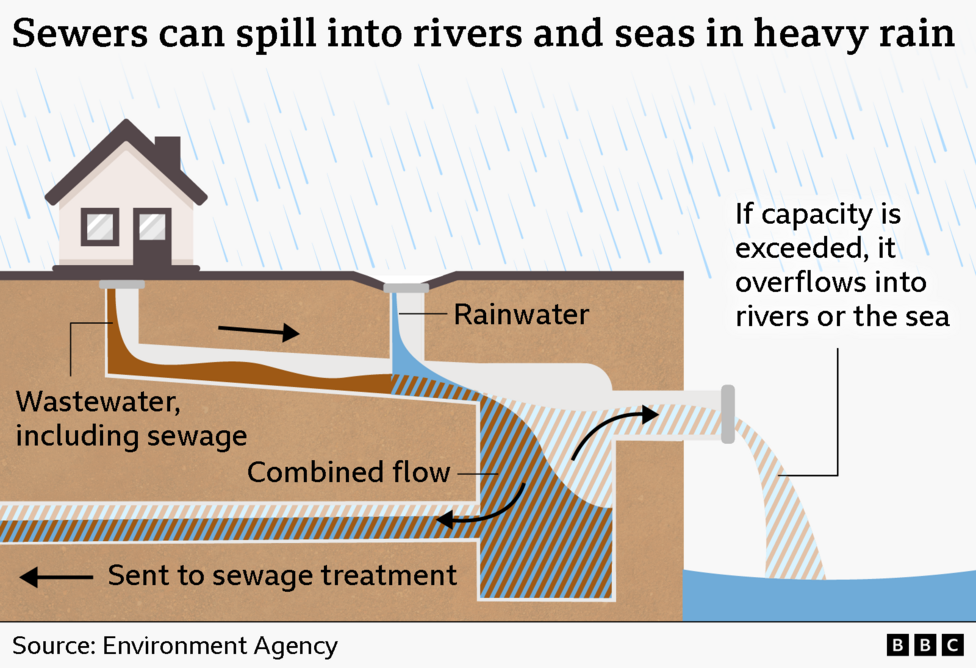
Scottish Water operates more than 4,200 overflows across its network. The number of monitored overflows increased from 273 to 1,275 during 2024. More than 100,000 spills totalling almost 277,000 hours were recorded in 2025—an average of roughly 274 per day. Comparison with the previous year's 24,000 recorded spills is complicated by the lower monitoring coverage at that time.
Just under 12% of overflows are legally obligated to report their data to the Scottish Environment Protection Agency (Sepa). However, none of the newly installed monitors were required to submit reports to the regulator. Sepa employs a
risk-based approachthat prioritises monitoring in areas based on population density and environmental sensitivity.
Which waterways are most affected?
Glasgow's River Clyde emerged as one of Scotland's most impacted waterways, receiving almost 6,150 spills last year—equivalent to 17 per day. When the Clyde Estuary, Firth of Clyde and other unnamed tributaries feeding into the Clyde system are included, this figure nearly doubles to almost 14,200 spills, or 39 daily. The Clyde Estuary recorded the longest cumulative duration of spills at more than 25,000 hours, followed by the River Clyde itself with more than 15,000 hours.
Barcloy Mill Burn in Dumfries and Galloway, one of the newly-monitored sites, experienced the highest number of spills last year with almost 3,500. West Barns at Dunbar recorded 3,300 spills—the second highest in Scotland and another newly-monitored location. The data indicates that 225 sites recorded no spills and 525 recorded fewer than 10, though some readings may reflect monitoring errors.
West Lothian's River Almond, a waterway stretching nearly 28 miles, experienced 1,270 spills totalling almost 1,500 hours during 2025. This represents a significant portion of the region's water quality challenges.

What concerns do local campaigners raise?
Ruth Plevin, a local campaigner and member of the River Almond Action Group, recalled swimming in the river during her childhood and now seeks to protect it for her grandchildren. She welcomed any investment in improving water system infrastructure but expressed deeper concerns about invisible contaminants.
It's what's not visible that is our concern - the microplastics, the pharmaceuticals, the agrichemicals, stuff that you can't see, she said. Plevin stated that the group's objective is to leave a legacy of clean, safe water.
It's precious and I think we need to regard it as precious. Value it, look after it and make it safe. I want it to be clean - it's not a lot to ask for, really, she added.
Are spills linked to water quality problems?
At Belhaven in East Lothian, surfer Brian Allen has undertaken independent water testing for pollution. Each week he submits samples to an accredited laboratory for analysis of E.coli and intestinal enterococci—the same parameters monitored by Sepa, but tested year-round rather than only during the bathing season. Sepa monitors bathing water quality at approximately 80 sites across Scotland between May and September, also checking for algae, seaweed and visible waste.

Allen, regional representative for Surfers Against Sewage, reported that Belhaven's testing results had been encouraging. He noted that 86% of samples met excellent, good or sufficient water quality standards for recreational users, with 77% rated as excellent.
What we don't know is whether that picture is being replicated across the rest of Scotland, he cautioned. Allen welcomed Scottish Water's expanded data publication and said collaborative work would help establish a comprehensive picture of water quality across the nation. The figures revealed almost daily discharges from the two overflows in the area, though whether these discharges correlate with water quality variations remains unknown.
A coalition analysis published in October 2026 identified 21,450 discharges in the first half of 2026, including 1,136 near bathing waters, raising questions about the timing and location of spills relative to recreational use.
What does Scottish Water say about the spills?
Simon Parsons, director for wastewater at Scottish Water, explained that overflows typically function as designed—draining rainwater from the sewer system.
The vast majority of those spills aren't harmful to the environment because they're nearly always about rainwater, he stated. Scottish Water reported that 99% of spills consist of rainwater, surface water, road run-off, greywater from households (excluding human waste), groundwater infiltration and trade effluent.
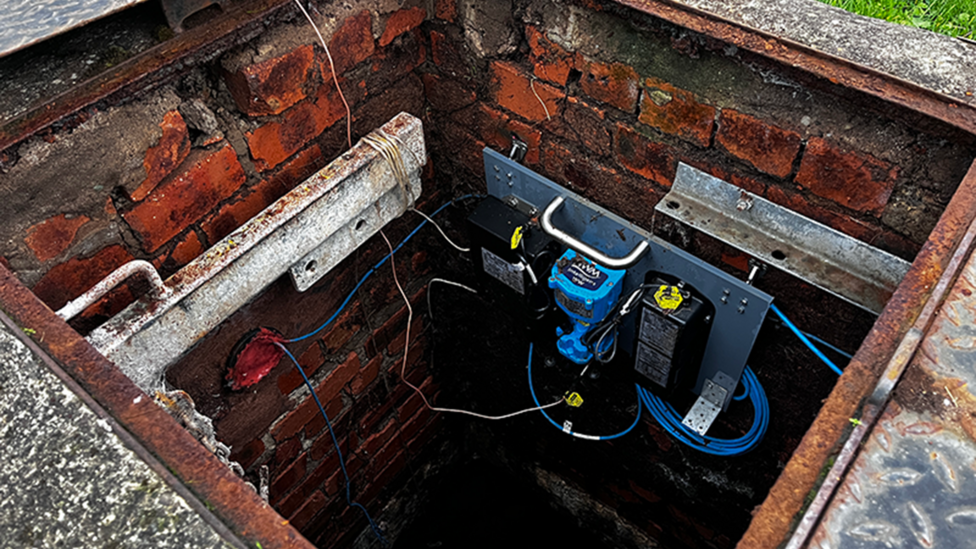
Parsons noted that expanded monitoring had significantly improved understanding of how the sewer network operates and helped pinpoint locations requiring infrastructure investment.
We didn't necessarily know how and when our overflows were operating so we've got a much better picture now than we've ever had before. We can actually identify those areas where we need to think about investment. We've got a number of locations across Scotland where actually we've identified links between how our pumps work and how our treatment works work, which have told us where we do get some spills when we shouldn't have them - and we'll make the improvements, he explained.

Scottish Water clarified that event-duration monitors indicate when an overflow starts and stops but do not establish that sewage was discharged or measure discharge volume. This distinction is important when interpreting the spill data, as duration figures reflect activation periods rather than confirmed waste release.
How does Scotland compare to other parts of the UK?
Monitoring coverage in Scotland remains substantially lower than in England, which has achieved 100% coverage. Differences in recording methodology mean Scotland's figures are not directly comparable with the rest of the UK. Scottish Water stated that its monitoring has now expanded to approximately 50% and aims to reach 100% coverage within five to six years. Parsons noted that the cost of this expansion was relatively modest but delivered substantial value in terms of the operational intelligence provided.
Context from neighbouring regions shows varying approaches to sewage management. Welsh water companies released sewage into rivers, lakes and coastal waters for over 800,000 hours in 2025, with more than 100,000 individual discharges recorded, representing a decrease from 2024 but continuing to raise environmental concerns. Research into English practices has suggested that most sewage spills into England's waterways over the past two years may have been illegal, with analysis indicating 86% occurred in normal weather.
What happens next?
Scottish Water plans to publish 2026 annual overflow data in March 2027, while Sepa's next annual overflow-data publication is scheduled for 2027. Environmental Standards Scotland's September 2024 review had recommended public access to spill data, updated authorisations and guidance, and investigation of dry-weather overflows—recommendations that continue to shape the regulatory framework.