Brigg, Lincolnshire: As preparations begin for drilling next year's cash crops, a remarkable wildlife encounter has underscored the success of adopting farming practices that prioritise ecological recovery alongside food production.
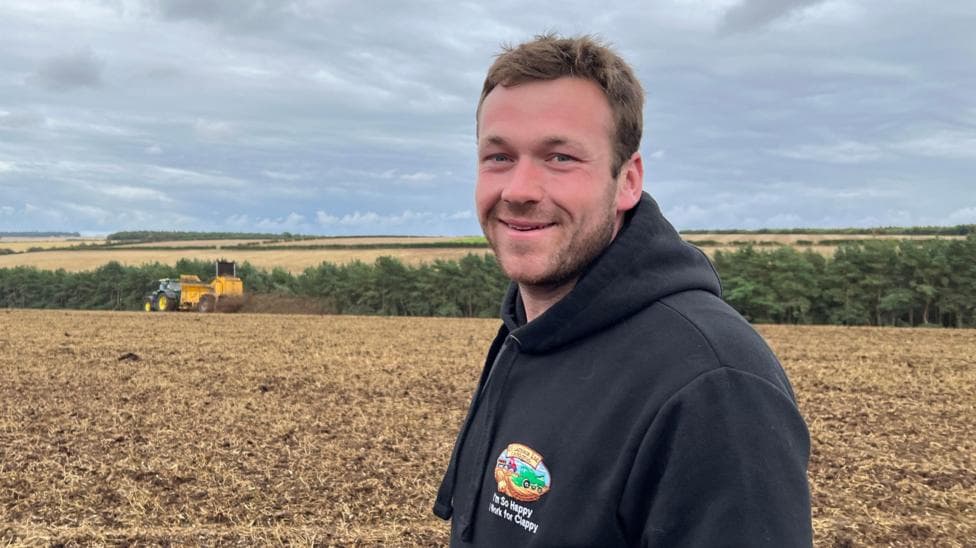
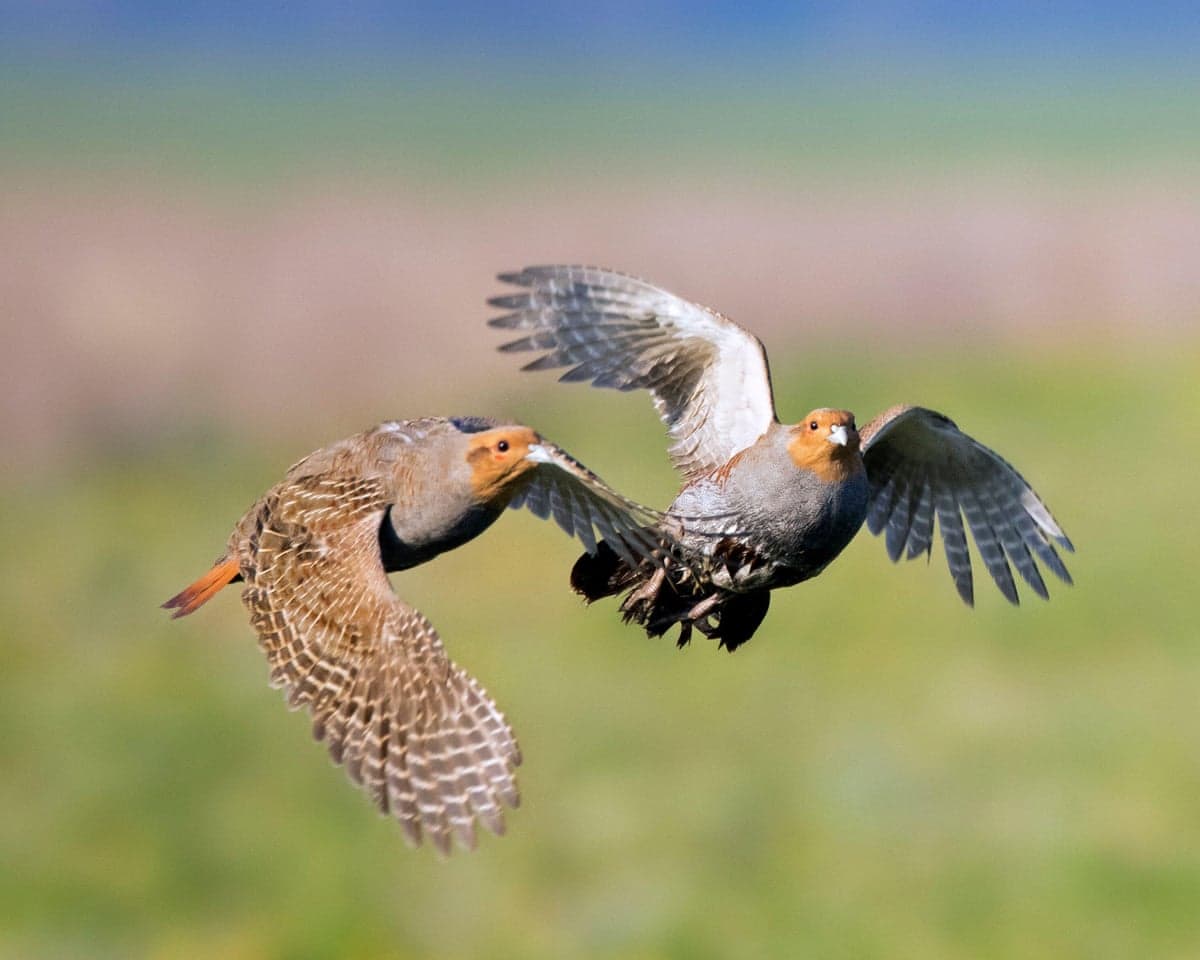
Last week, while applying a nutrient-rich mixture of molasses, humates and fish paste to oilseed rape fields, the farmer witnessed an extraordinary sight: a covey of 26 grey partridges taking flight. This number far exceeds what would typically be considered a large gathering—twelve birds would normally qualify as such—and represents the largest assembly of grey partridges observed on the property in living memory. Red-legged partridges, by contrast, are seen only in pairs in this region.
The sighting reflects a deliberate shift towards habitat creation and species support. This year, specific field margins were planted to encourage populations of sawfly larvae, crickets, weevils and ground beetles, which constitute the entire diet of grey partridges and yellowhammers during their first two weeks of life. Beyond these targeted margins, the farming approach has expanded to include overwinter cover crops and nutrient-scavenging catch crops that protect soil while millet has been added to provide nutritional support for mature birds. The overall strategy aims to establish a connected mosaic of habitats across the landscape.
The significance of this recovery cannot be overstated. According to the British Trust for Ornithology, grey partridge populations have declined by 93 per cent between 1967 and 2024, making the species a red-status conservation priority in the UK. The grey partridge remains traditionally associated with lowland arable farming regions, particularly in areas such as Lincolnshire, where intensive agricultural practices have historically contributed to habitat loss and population collapse.
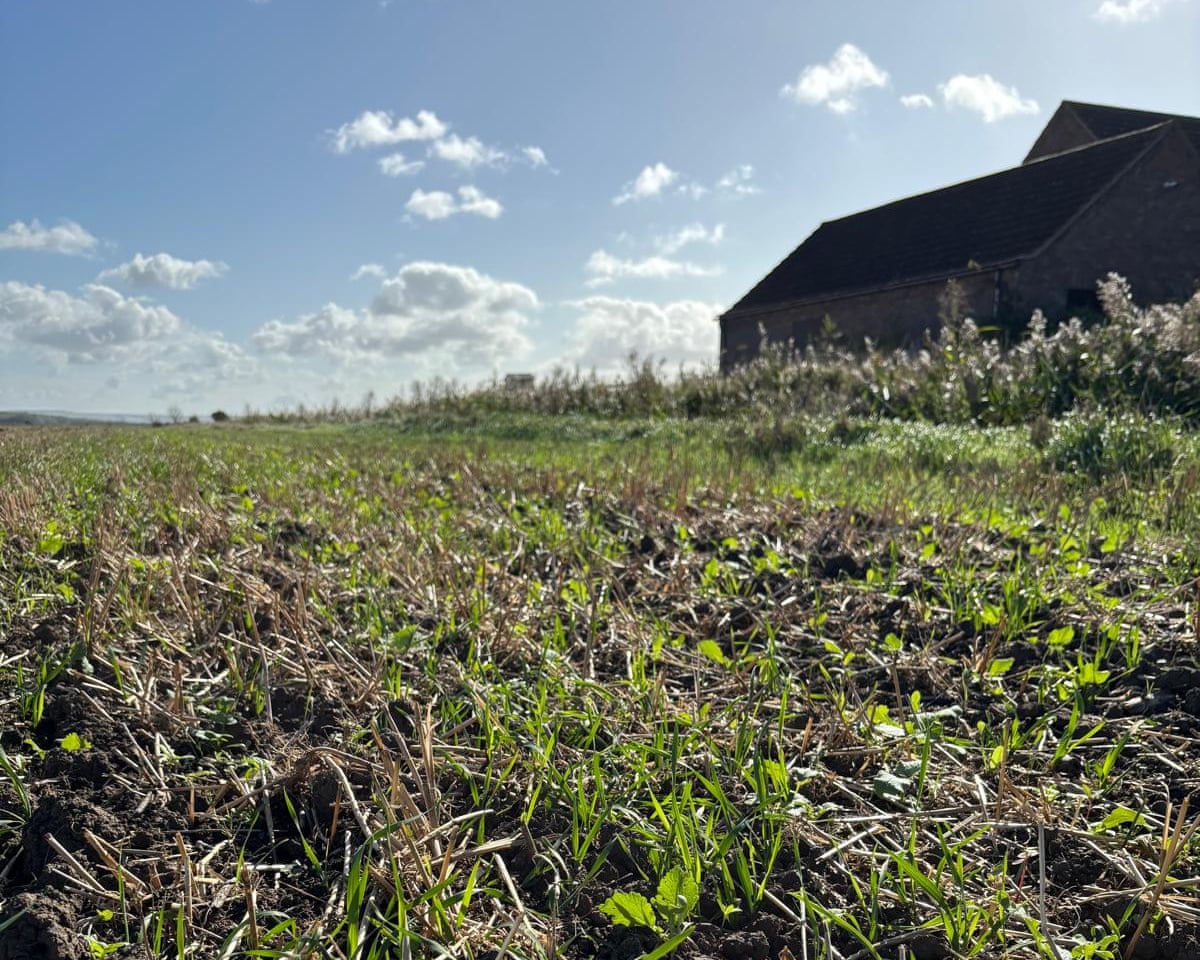
Recent rainfall—nearly 100 millimetres over three weeks—has enabled the start of drilling cash crops, beginning with oilseed rape alongside three companion crops designed to provide natural pest management. The first companion plant supplies nitrogen to the oilseed rape, while a second scavenges phosphate from the soil and makes it bio-available to the cash crop through root exudates. A third companion, distinguished by its curry-like odour, masks the oilseed rape from cabbage stem flea beetle, a significant pest. During winter, this combination of plants will create near-complete ground cover, protecting the developing crop from pigeons that exploit any exposed areas.

How do nature-friendly farms balance productivity with conservation?
Nature-friendly farming integrates ecological management with commercial crop production by designing field systems that support both wildlife and yields. According to the RSPB's 2026 Nature-friendly Farming report, such farms should aim for at least 4 per cent flower-rich resources and 2 per cent winter seed mixes to support wildlife populations while maintaining viable crop production.
What role do companion crops play in pest management?
Companion cropping reduces reliance on chemical pesticides by harnessing natural ecological relationships. Barley crops planned for the coming season will be tolerant to a virus spread by aphids, a problem exacerbated by mild winters. Rather than applying insecticide, this tolerance allows natural predators to control aphid populations without risking crop damage, even if predator numbers cannot fully suppress pest numbers.
What recognition has this approach received?
The farming methods employed here have attracted formal recognition within the conservation community. The Game & Wildlife Conservation Trust awarded its 2026 Jas. Martin & Co. Lincolnshire Grey Partridge Trophy to R H-J (Farms) Ltd, with judges commending the operation's dedication to grey partridge conservation. The Trust has also maintained a long-running focus on grey partridge conservation in Lincolnshire, including dedicated farm walks and educational events to share best practice across the region.
What happens next?
The Game & Wildlife Conservation Trust is hosting a Lincolnshire Grey Partridge Farm Walk on 3 June 2026 at Claxby House Farm, Claxby, Market Rasen, offering farmers and conservationists the opportunity to observe nature-friendly farming methods in practice and learn from successful habitat management strategies.
Key Facts:
- A covey of 26 grey partridges was observed on the farm, the largest gathering recorded there in living memory
- Grey partridge populations have fallen 93 per cent since 1967, according to the British Trust for Ornithology
- Field margins planted with specific insect-supporting plants provide essential food for young partridges during their first two weeks
- Companion crops provide natural pest defence while reducing reliance on chemical pesticides
- Nature-friendly farms should maintain at least 4 per cent flower-rich resources and 2 per cent winter seed mixes