Endangered hazel dormice have been discovered at Babers Farm in Marshwood, near Bridport, Dorset, marking a significant success for the Countryside Regeneration Trust's efforts to restore nature-friendly farming practices. The presence of these protected species signals that the farm's landscape is becoming healthier and more suitable for wildlife. The findings emerge after the trust launched a fundraising campaign to support dormouse surveys and habitat improvements across its network of farms.
Babers Farm operates under the stewardship of the Countryside Regeneration Trust (CRT), an organisation dedicated to transforming agricultural land into spaces where biodiversity can flourish. The trust works alongside tenant farmers to restore soil health, strengthen natural ecosystems and improve species diversity while maintaining food production. Hazel dormice are classified as a European Protected Species and face vulnerability to extinction, making their detection on managed farmland particularly noteworthy.
How were the dormice detected?
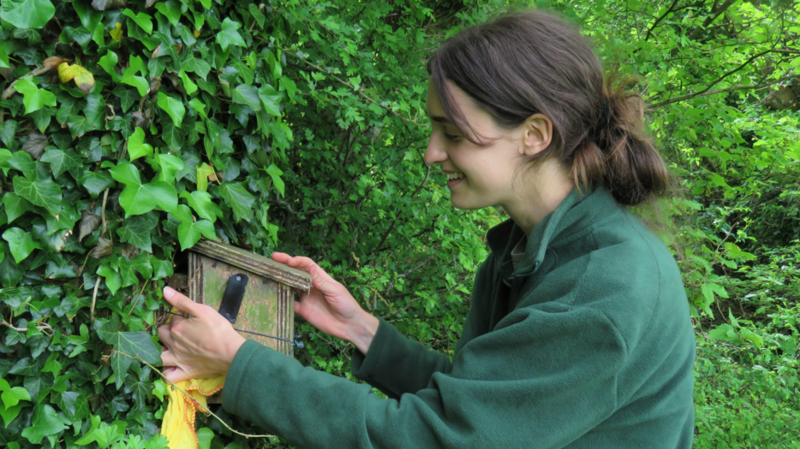
The CRT has employed footprint tunnels as its primary survey method, a technique that proves highly effective at identifying dormouse presence. Since beginning surveys in May 2026, the trust installed 39 footprint tunnels along hedgerows and woodland edges at Babers Farm, with nine of these tunnels recording dormouse footprints. According to the trust's appeal update, tunnels are positioned 15 to 20 metres apart and checked every two weeks for two consecutive months, a methodology that provides an 82% chance of detecting dormice when they are present.

Babers represents one of the first CRT farms to return positive dormouse results following the trust's fundraising appeal. The campaign successfully raised £6,000 to fund surveys and habitat improvements, with the money allocated for equipment and habitat enhancements if dormice were discovered. Footprint tunnels have also been installed at Bere Marsh Farm in Dorset and at Pierrepont Farm and Green Farm in Surrey, with dormice also detected at Turnastone Court Farm and Awnells Farm in Herefordshire.

Why does dormouse presence matter?
The survival of hazel dormice depends entirely on diverse woodland, species-rich hedgerows and connected habitats that provide year-round food and shelter. Their presence on farmland indicates that the landscape has been successfully restored to support not just dormice but a broader range of wildlife. According to reporting from 20 September 2026, the CRT described the finding as evidence that farming practices can help reverse wildlife decline rather than accelerate it.
Ruth Moss, conservation officer at the CRT, commented on the significance of the discovery:
It's really encouraging to see evidence of hazel dormouse presence on the farm. As the survey progresses, the results will build up a more complete picture of where, within the areas surveyed, dormice are present on the farm. Having a current set of data helps us to manage these areas with dormice in mind.
What conservation work is underway?
Beyond the survey work, the CRT has already begun constructing dedicated dormouse habitat. The trust has made 20 dormouse wildlife boxes with volunteers at Bere Marsh Farm, with plans to install additional boxes at Awnells Farm, Babers Farm and Turnastone Court Farm. These structures provide essential shelter and breeding sites for dormice during the warmer months and support their survival through the year.
The loss of traditional woodland management techniques such as coppicing has been a major factor in dormouse habitat destruction across England. The tiny nocturnal species has disappeared from 20 counties in England since the 19th century, a decline driven by habitat fragmentation that makes it increasingly difficult for populations to travel between locations and maintain genetic diversity. Climate change has compounded these pressures by disrupting the hibernation patterns on which dormice depend for winter survival.
What happens next?
The survey programme will continue throughout 2026, with fieldwork scheduled to run between May and November across the four farms. Surveys will proceed in Dorset throughout September and extend into November in Surrey. As the data accumulates, the CRT intends to build a clearer picture of dormouse populations across its entire farm network and use these findings to guide future habitat management decisions. The trust plans to email or write to donors at the end of December 2026 with the survey findings and details of how any remaining donations will be allocated.
Key Facts
- Nine of 39 footprint tunnels at Babers Farm recorded dormouse presence, confirming the species' return to the site
- Hazel dormice are a European Protected Species classified as vulnerable to extinction, making their detection on farmland significant
- The CRT's fundraising appeal raised £6,000 to support surveys and habitat improvements across 16 properties in Dorset, Surrey and Herefordshire
- Dormice have disappeared from 20 English counties since the 19th century, primarily due to habitat loss and fragmentation caused by changes in woodland management practices
- Survey results will inform the CRT's management strategy for dormouse conservation across its farms through 2026 and beyond