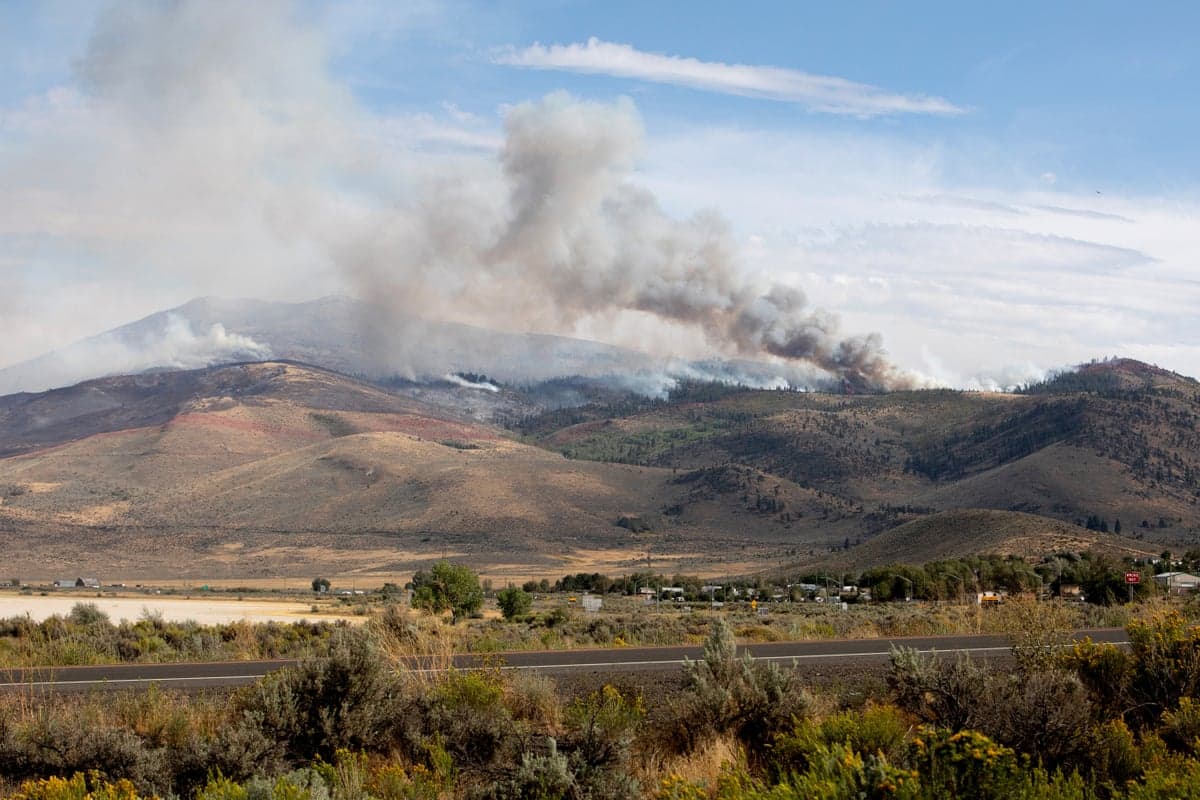
Australia's Nepali and Tibetan communities are organising vigils and fundraising campaigns to support recovery efforts following catastrophic flooding in Nepal that has claimed hundreds of lives and left over 1,300 people missing. The disaster, triggered when a wall of mud and rock collapsed into a Himalayan river on the Nepal–Tibet border on Thursday, has prompted an international response with multiple nations mobilising aid.
According to live coverage from 26–28 August, the death toll had reached 469 by Friday morning, with rescue operations continuing across affected villages and valleys. The flooding swept through the Bhotekoshi and Trishuli river basins, destroying homes and infrastructure across a wide area. According to official updates, 39 Australian citizens remain unaccounted for among the missing.
Foreign Affairs Minister Penny Wong announced on Friday that Australia would provide a A$5 million assistance package to support the relief effort. The government also plans to deploy a specialist team to the region to coordinate aid delivery and assess ongoing needs.
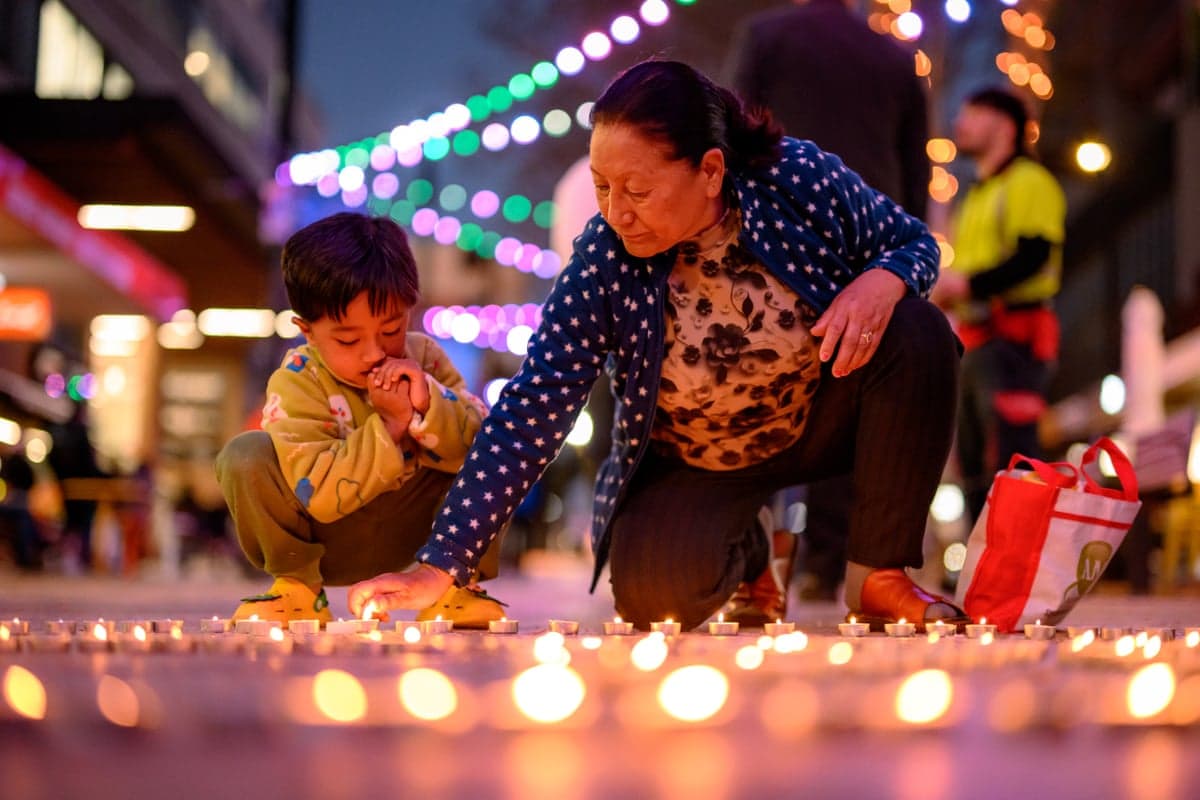
Community members across Australia are desperately seeking information about relatives and friends caught in the disaster. Members of the Australian Nepalese Multicultural Centre (ANMC) gathered for candlelight prayers on Thursday night and observed a minute's silence for those lost.
How are Australian communities responding?
Diaspora organisations are coordinating vigils and extending support services to help members cope with the crisis. Dr Tilak Pokhrel, president of the ANMC, announced that community organisations in Victoria would host a vigil when Nepal's government declares a national day of mourning.
Community members just want to say we are with you for those who are affected. We want to have an event where we all can gather, and show our solidarity to support them … let's work together, let's pray together, and let's go through this pain together.
The ANMC has extended its opening hours for the coming days to allow faith leaders to provide spiritual and emotional support to grieving members.
People are waiting for the news. They are checking the news every hour,Pokhrel said, reflecting the anxiety within the community as information about casualties remains fluid.

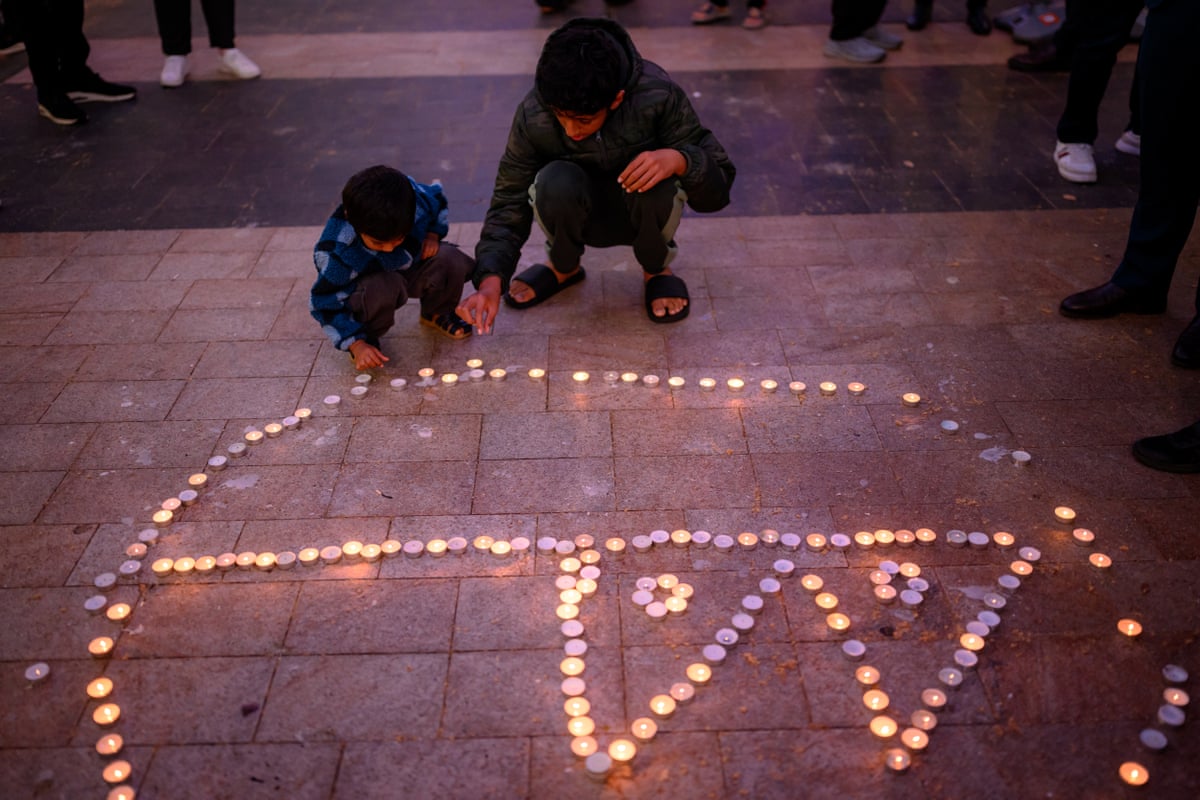
The Non-Resident Nepali Association's NSW branch is hosting a candlelight vigil on Saturday evening in Sydney. Chudamani Sapkota, the organisation's general secretary, described the situation as devastating for the diaspora and said the association is working to help Australian Nepalis locate missing relatives.
There's no network, nothing at the moment. This is a very tough time.
Tenzin Khangsar, co-chair of the Australia Tibet Council, said the Tibetan community was deeply affected by the flooding.
Shocked and devastatedby the disaster, the council is planning prayer events to commemorate victims.
How can Australians contribute to relief efforts?
Multiple diaspora organisations have launched fundraising initiatives to support Nepal's disaster recovery. The Nepalese Welfare Society, based in Sydney, has created a GoFundMe page to raise money for the Nepali Prime Minister's Natural Disaster Relief Fund. Chiran Tiwari, the society's president, said the community is rallying to support members whose relatives are missing in Nepal.
The situation is very sad for the community. Everyone's eyes is tearing so the situation is very difficult.
Wong confirmed that Australians wishing to donate could do so through established humanitarian channels. The ANMC hosted a candlelight multi-faith prayer night in Melbourne on Thursday evening, bringing together people from different backgrounds to grieve the disaster.
What is the broader international scope of the disaster?
The flooding has affected citizens from multiple countries, reflecting the area's significance as a major tourist and transit zone. According to international reporting, nine South Korean workers on a hydropower project are unaccounted for, and citizens from approximately 20 other nations have been reported missing. Nearly 750 foreigners across China and Nepal are among those unaccounted for, making this an unusually international humanitarian crisis.
International aid efforts are underway to address the scale of the emergency. Helicopters are dropping tents, food and emergency supplies provided by neighbouring India, while the United Nations is mobilising supplies and personnel for affected communities. The international response reflects the severity of the disaster and the urgent need for coordinated relief operations.
What happens next?
Rescue and search operations are continuing as authorities work to locate survivors and recover bodies. The death toll and missing-person count are expected to evolve as rescue teams access more remote areas affected by the flooding. Australia's announced assistance package and specialist deployment signal further government updates on the scope and delivery of aid in the coming days. The Australian diaspora's next major public remembrance will centre on a national day of mourning declared by Nepal's government, followed by community vigils planned across Australian cities.