Water Voles Return to River Wey in Farnham
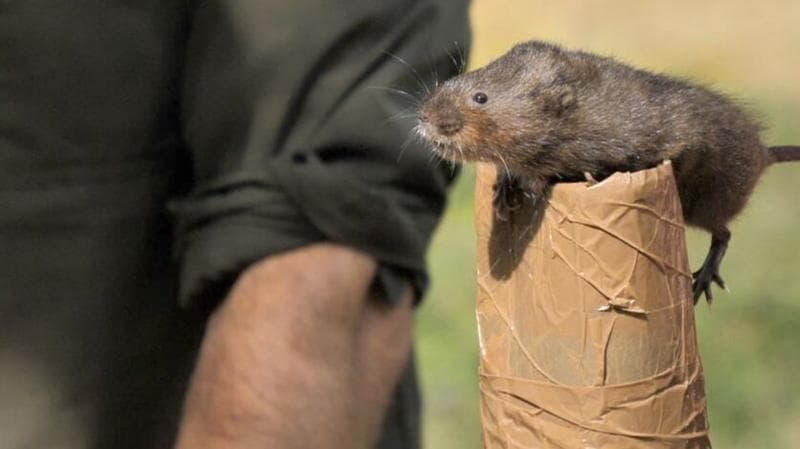
Water voles are being reintroduced to the River Wey in Farnham following a 20-year absence from the area.
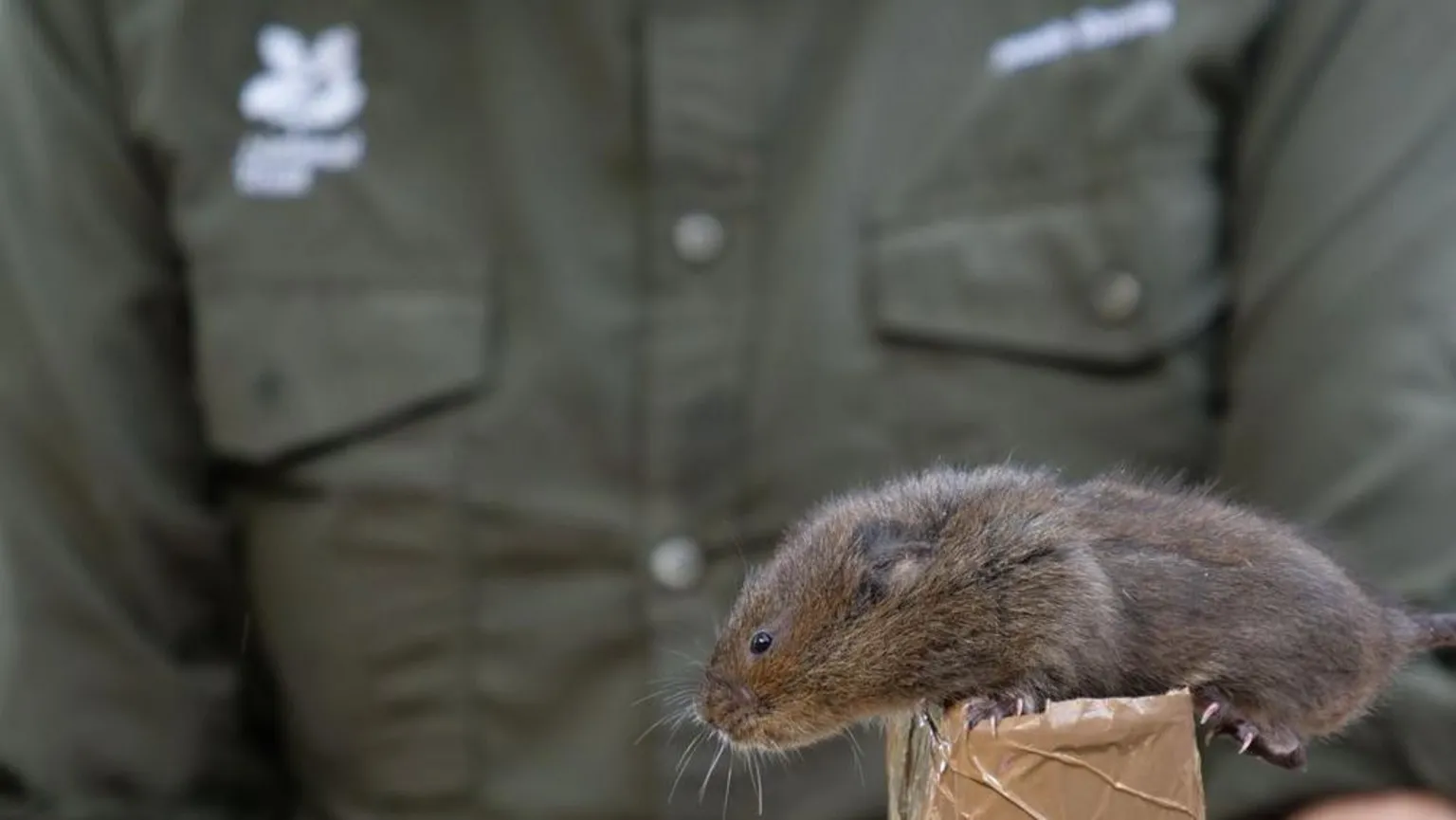
Approximately 300 water voles have been released into the river in the town centre as part of a broader initiative aimed at aiding the species' recovery. The National Trust reported that water voles became Britain's fastest declining mammal due to habitat loss and predation.
The release in Surrey on Monday was conducted by the National Trust and Environment Agency, in collaboration with local groups and volunteers.
The species, famously represented as "Ratty" in The Wind in the Willows, had been locally extinct for two decades, according to David Elliott, National Trust lead ranger for South Downs West.
Conservation Efforts and Significance
"This wonderful little animal is making a comeback and we couldn't be more delighted than to share that with the people of Farnham," said David Elliott.
"The water vole is a species that used to be common. The disappearance of the rare is what often grabs people's attention, but the disappearance of the common is what we should all care about."
Conservationists aim to establish a sustainable population of water voles along the River Wey, extending from its source on Black Down in the South Downs National Park to Weybridge on the Thames.
Paul Davy, Environment Agency River Wey catchment coordinator, described the project as vital, noting that the water vole is "a much-loved native species and ecosystem engineer that has been absent from the Wey catchment for many years."

Community Involvement and Historical Context
Volunteer and Farnham resident Libby Ralph recalls observing water voles in the 1980s.
During 2014-15, she participated in a county-wide survey but concluded, "We searched diligently but very sadly concluded that water voles were functionally extinct in Surrey."
"I have hoped since that moment that one day we'd be able to return them to the River Wey," she added.
This release marks the second introduction of water voles following an initial group released near Haslemere last August.
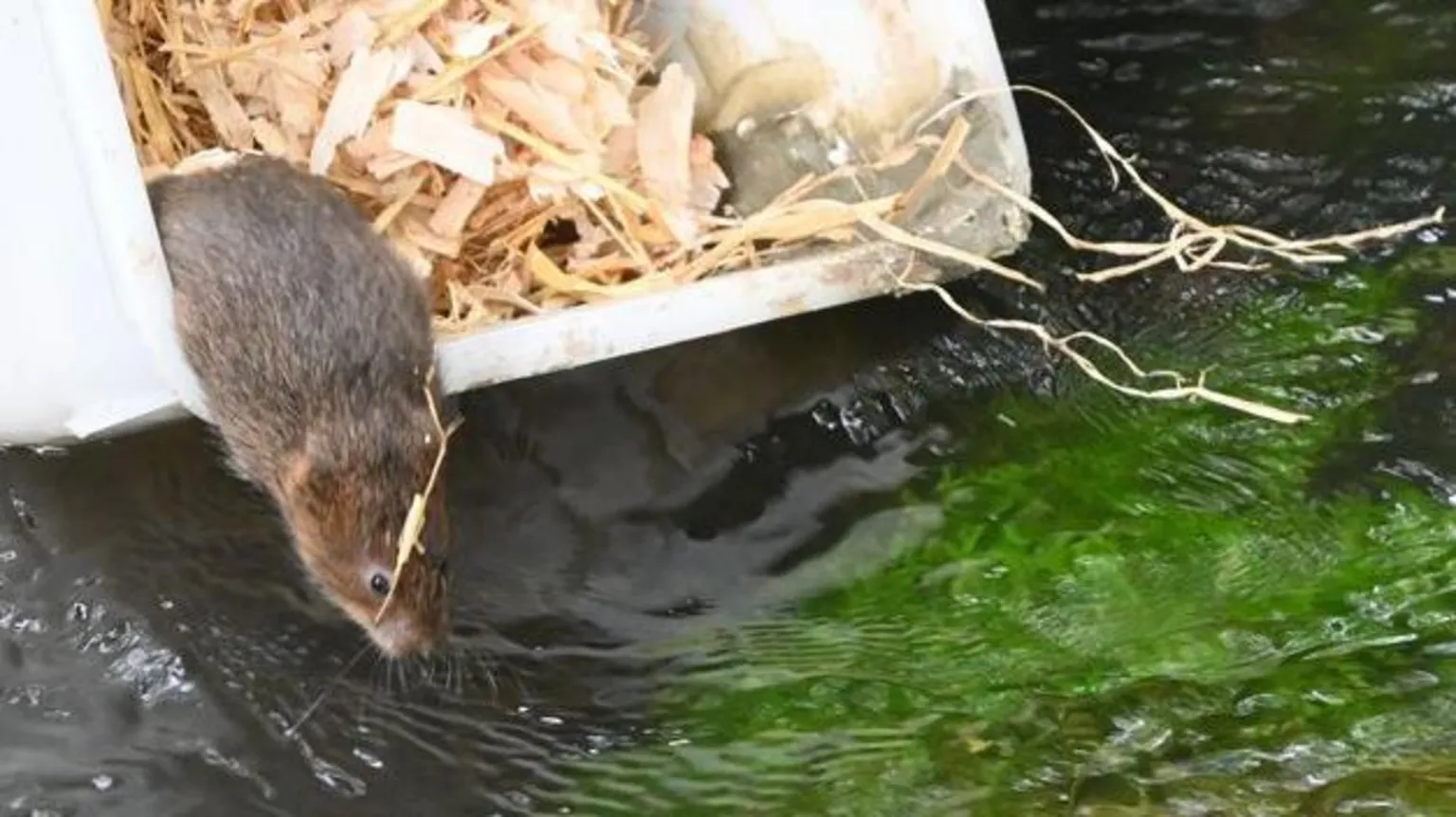
Additional releases are planned over the coming year, with early indications suggesting that initial populations have been successfully established.
Ecological Importance of Water Voles
Water voles contribute significantly to riverside biodiversity. They serve as prey for species such as barn owls and otters. Their grazing activities also help reshape habitats, creating space for rare plants, according to the National Trust.
For further updates, follow BBC Surrey on Facebook, X, and Instagram, or listen to BBC Radio Surrey on Sounds. Story ideas can be sent to southeasttoday@bbc.co.uk or via WhatsApp at 08081 002250.