From Carlton to Castlemaine, the National Trust of Victoria has unveiled nine finalists in its annual competition to recognise and protect significant trees across the state. The initiative, which began in 2016, aims to raise public awareness about Victoria's botanical heritage and advocate for the preservation of trees with cultural, scientific, and historic importance.
Among the contenders are a decades-old shady eucalyptus, an elm that serves thousands of daily commuters, and a ginkgo species once believed to be extinct in the wild. The competition received more than 40 nominations this year, which a panel of 12 experts and arboriculturists narrowed to the current nine finalists. All eligible trees must be registered on the National Trust's significant tree register, which documents up to 10,000 important trees in Victoria.
What makes a tree worthy of recognition?
The selection process prioritises community connection and historical significance rather than sheer size or visual impressiveness. Justin Buckley, executive manager of gardens at the National Trust, explained that trees nominated for the registry have often been part of local landscapes for generations, with many people recalling childhood memories of playing beneath their branches.
"It's not always just the biggest or most impressive tree that wins; it's often one that has a lot of community support behind it,"Buckley said.
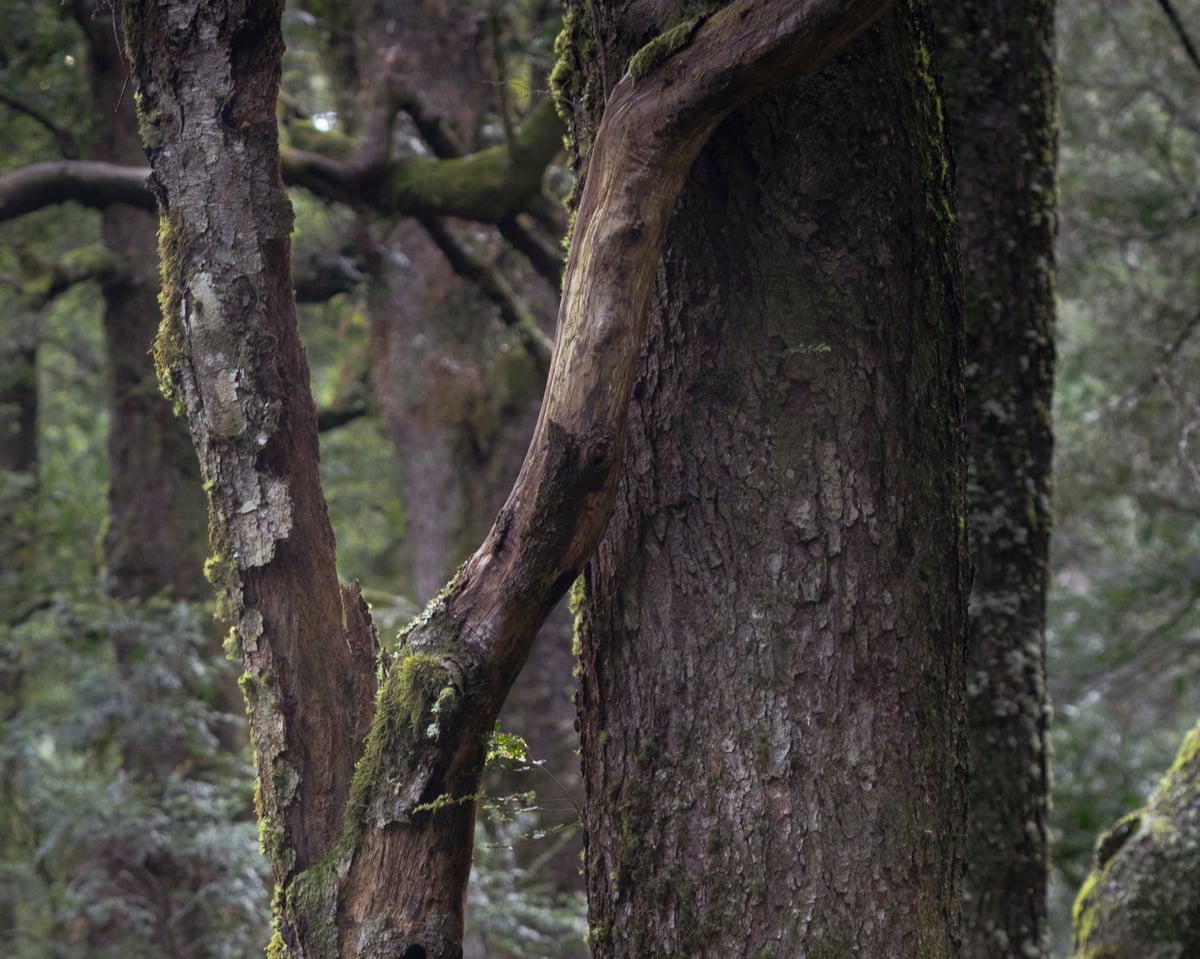
The myrtle beech in Apollo Bay exemplifies this principle. The tree may represent two or three specimens growing together, creating a complex structure through which visitors can walk—a natural metaphor for the interconnected web of life that trees sustain.
Which trees are among the finalists?
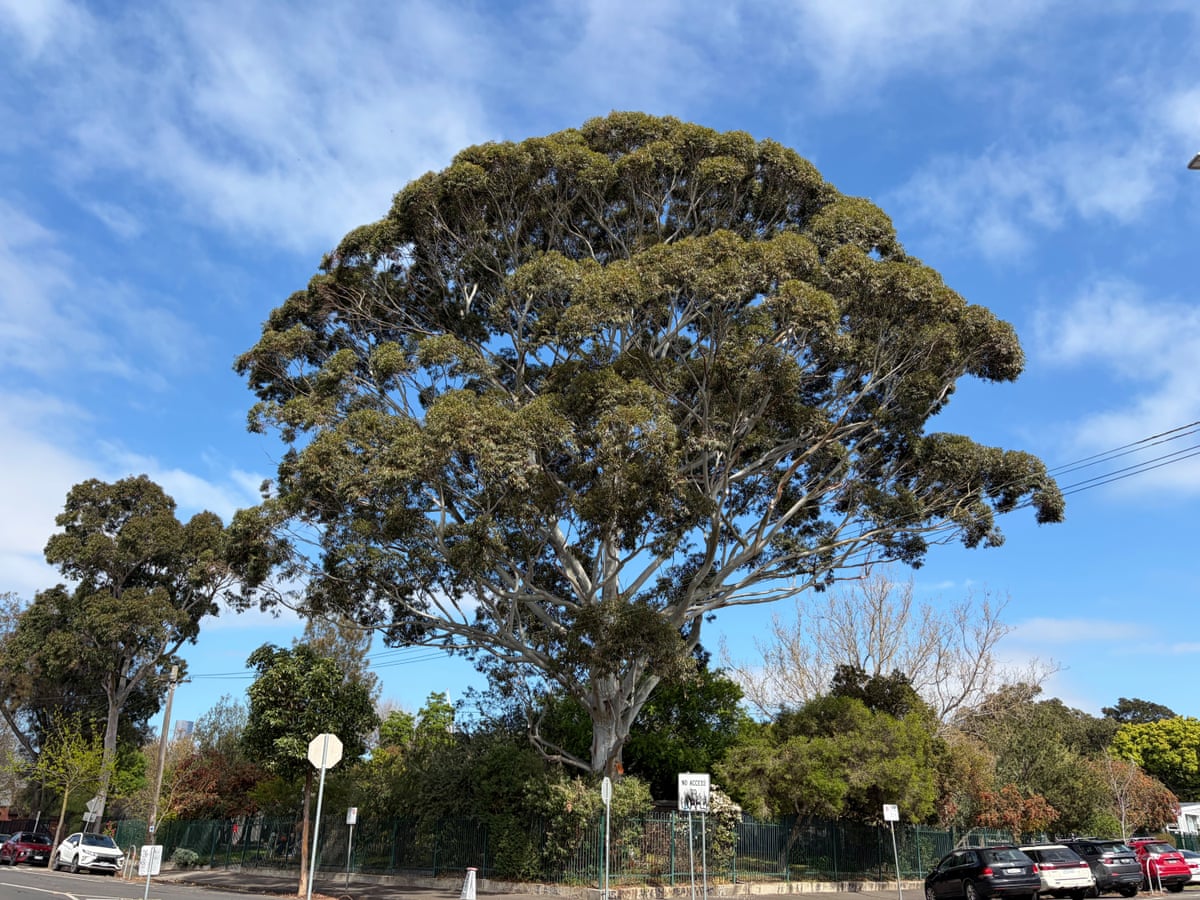
The flooded gum in Carlton North stands as a landmark of community pride, despite being far from its natural habitat. Although flooded gums naturally occur only north of Newcastle, particularly in the wet regions of the Daintree, this specimen was most likely planted during the 1960s or 1970s and has become an iconic feature of the neighbourhood.
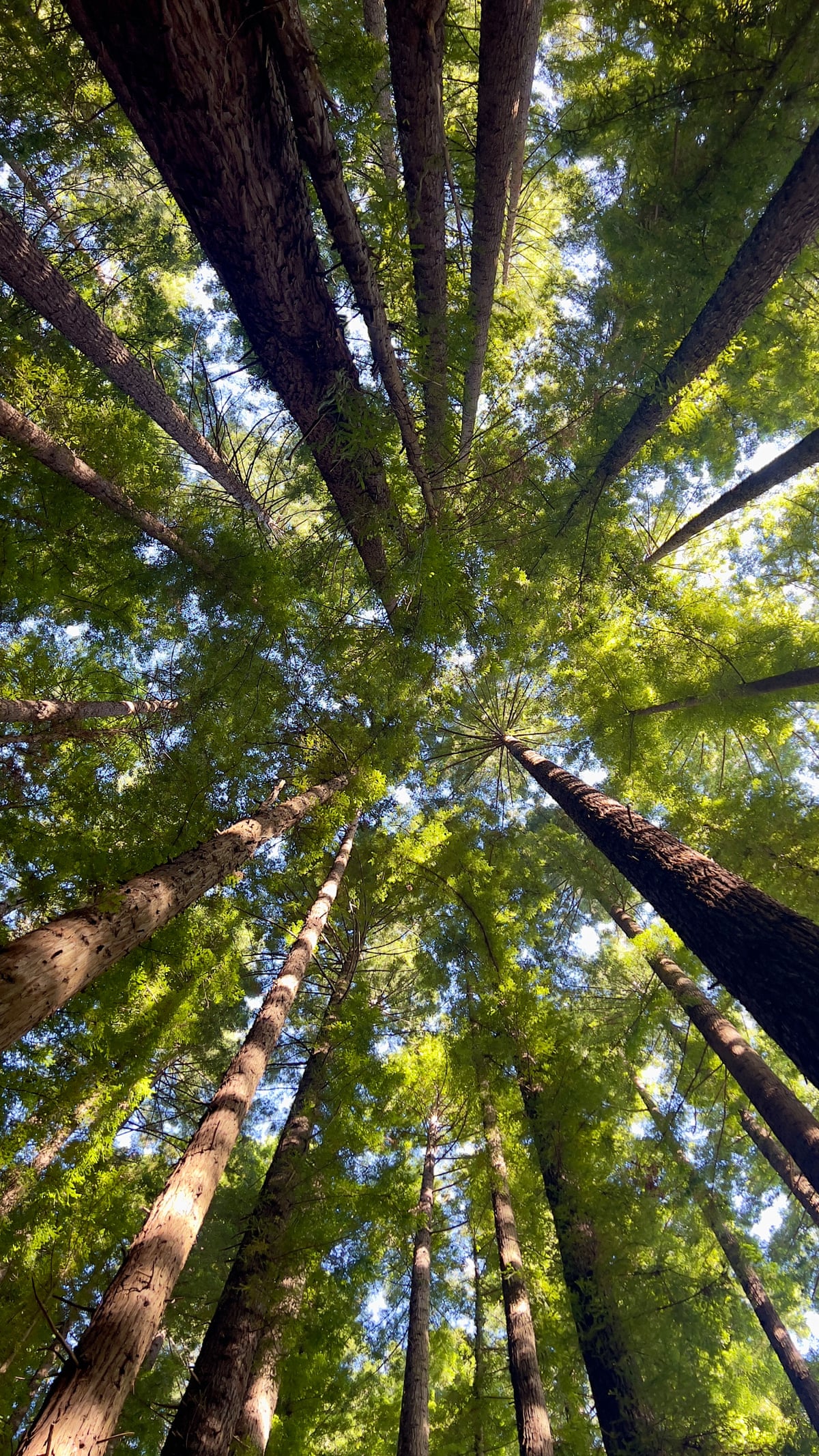
A stand of Californian redwoods in Warburton represents an ambitious horticultural experiment. These conifers were planted during the 1930s by the Melbourne Metropolitan Board of Works as part of a trial to determine whether such species could help purify drinking water in a landscape that had undergone extensive clearing. Their exceptional height creates an awe-inspiring experience for visitors.
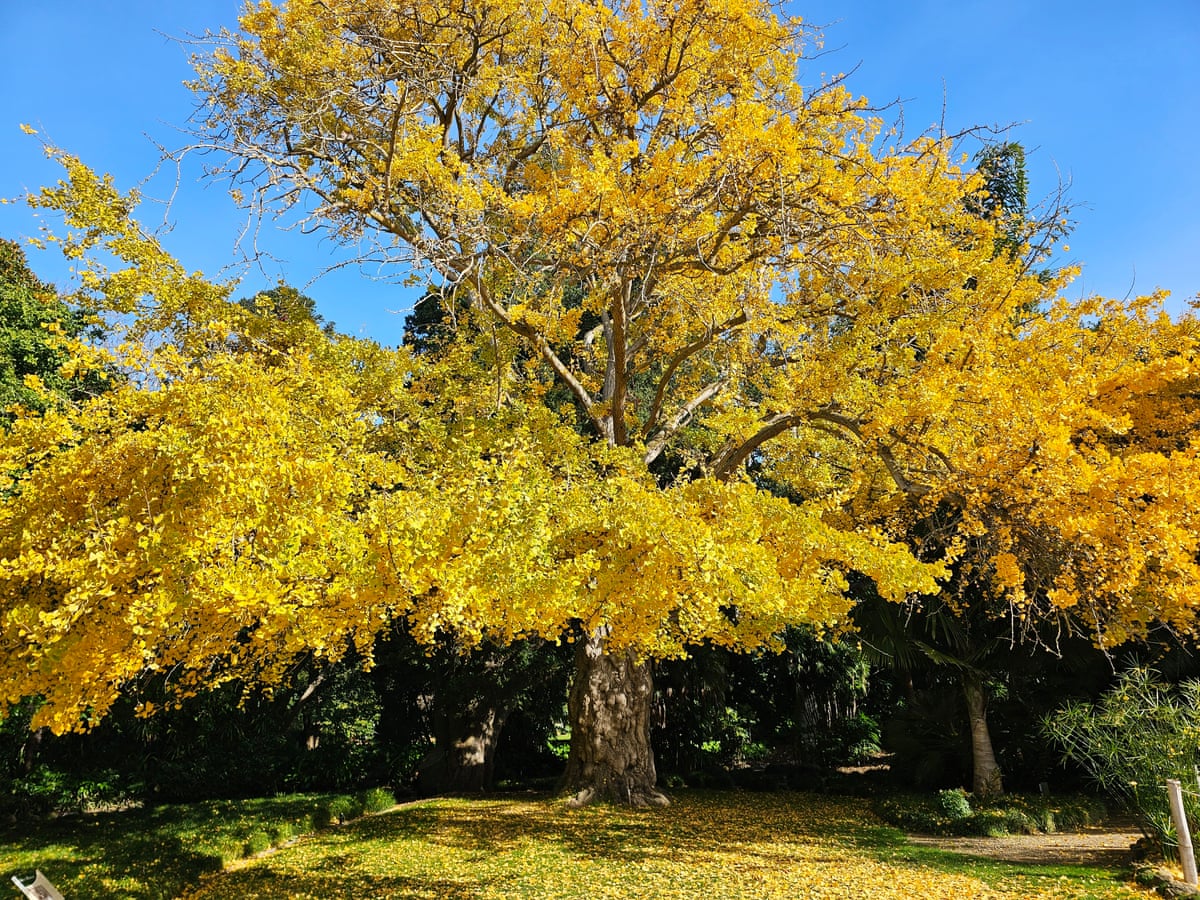
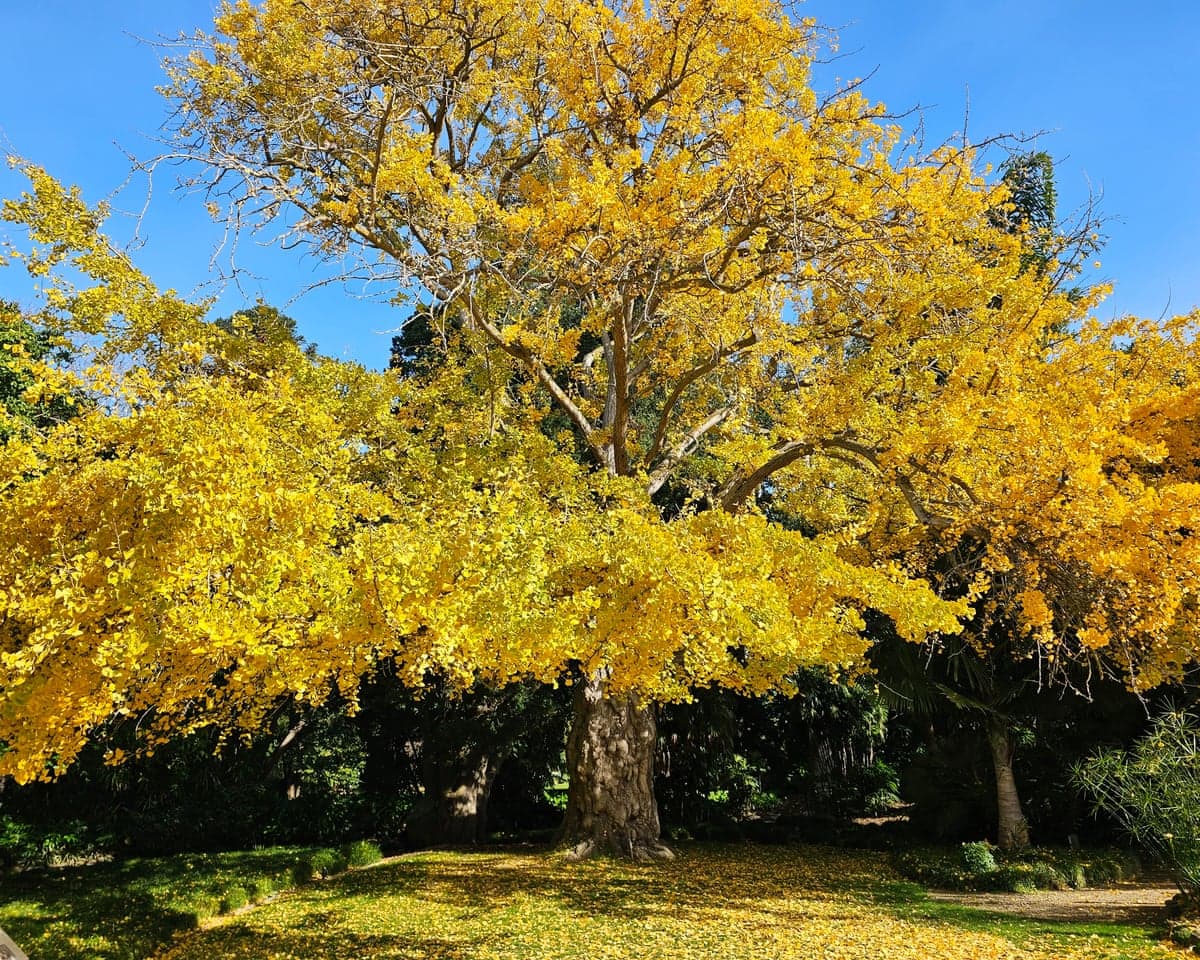
The ginkgo at Geelong Botanic Gardens, planted in 1859, has now reached 167 years of age. Ginkgos, also known as maidenhairs, were thought to have vanished from wild populations for centuries before their rediscovery. This specimen represents both botanical rarity and longevity.

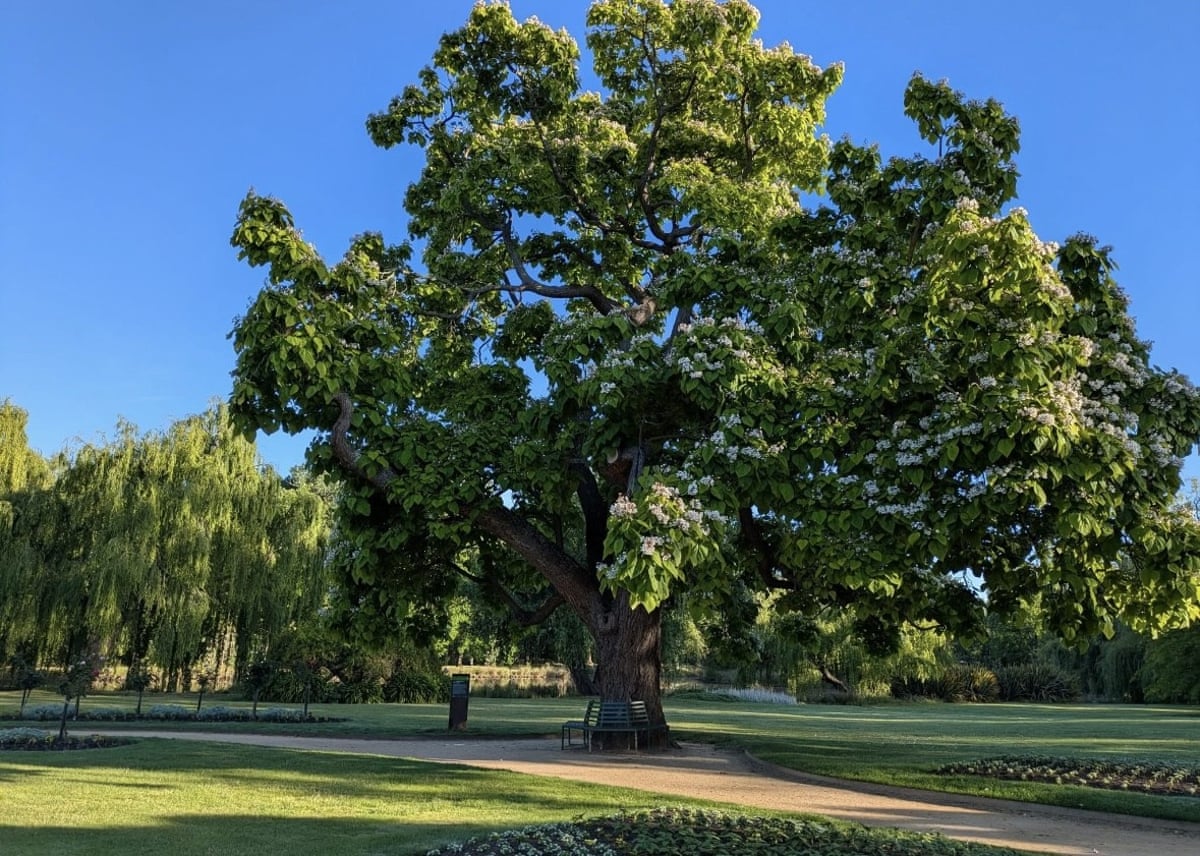
The Indian bean tree in Castlemaine's botanical gardens originated in Central America and displays distinct seasonal characteristics. It announces spring's arrival by covering itself in large white flowers, develops a full shady green canopy of broad leaves during summer, and produces long seed pods in winter.
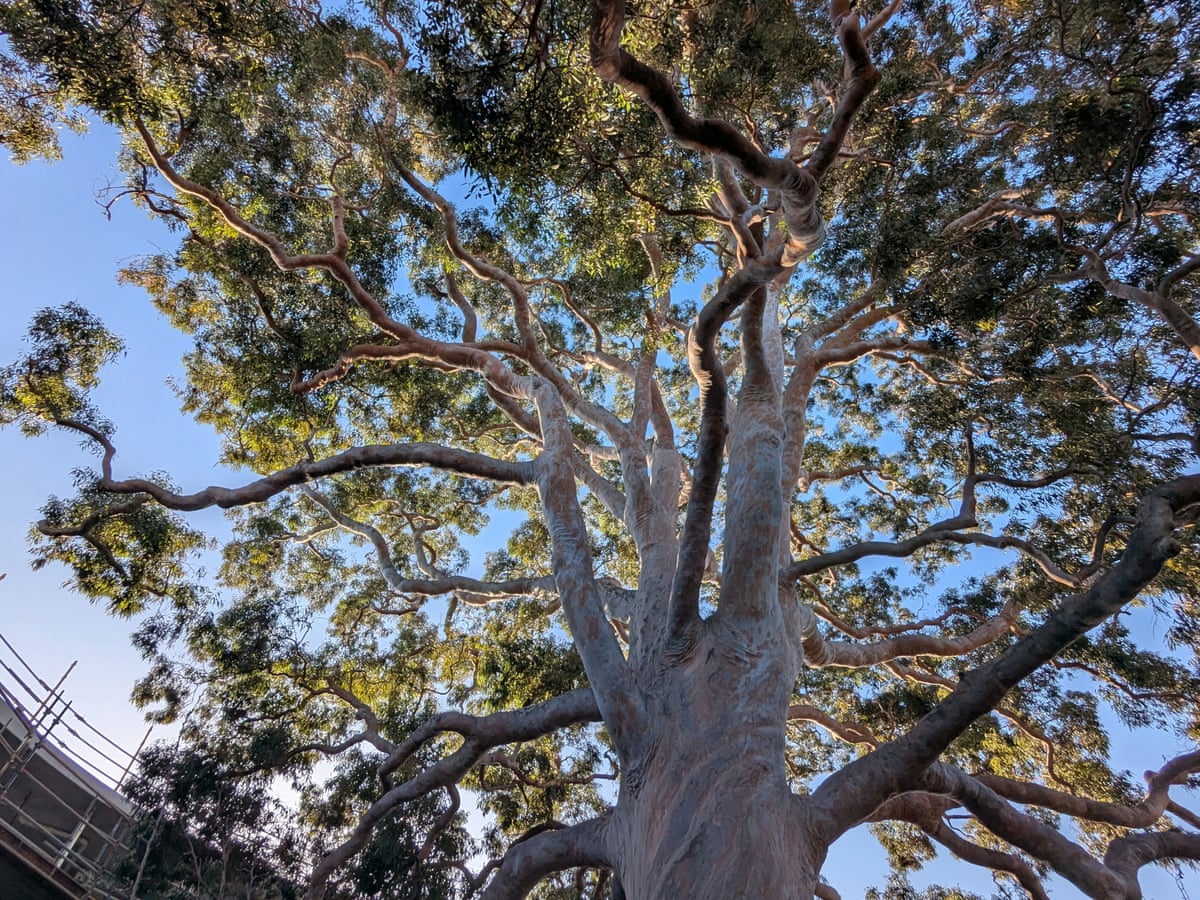
A smooth-barked apple myrtle in Prahran holds the distinction of being the largest specimen of its kind in cultivation. Situated in the heart of urban Melbourne and surrounded by ongoing construction, there are concerns about the tree's future, with hopes that architects will permit it to continue growing for decades to come.
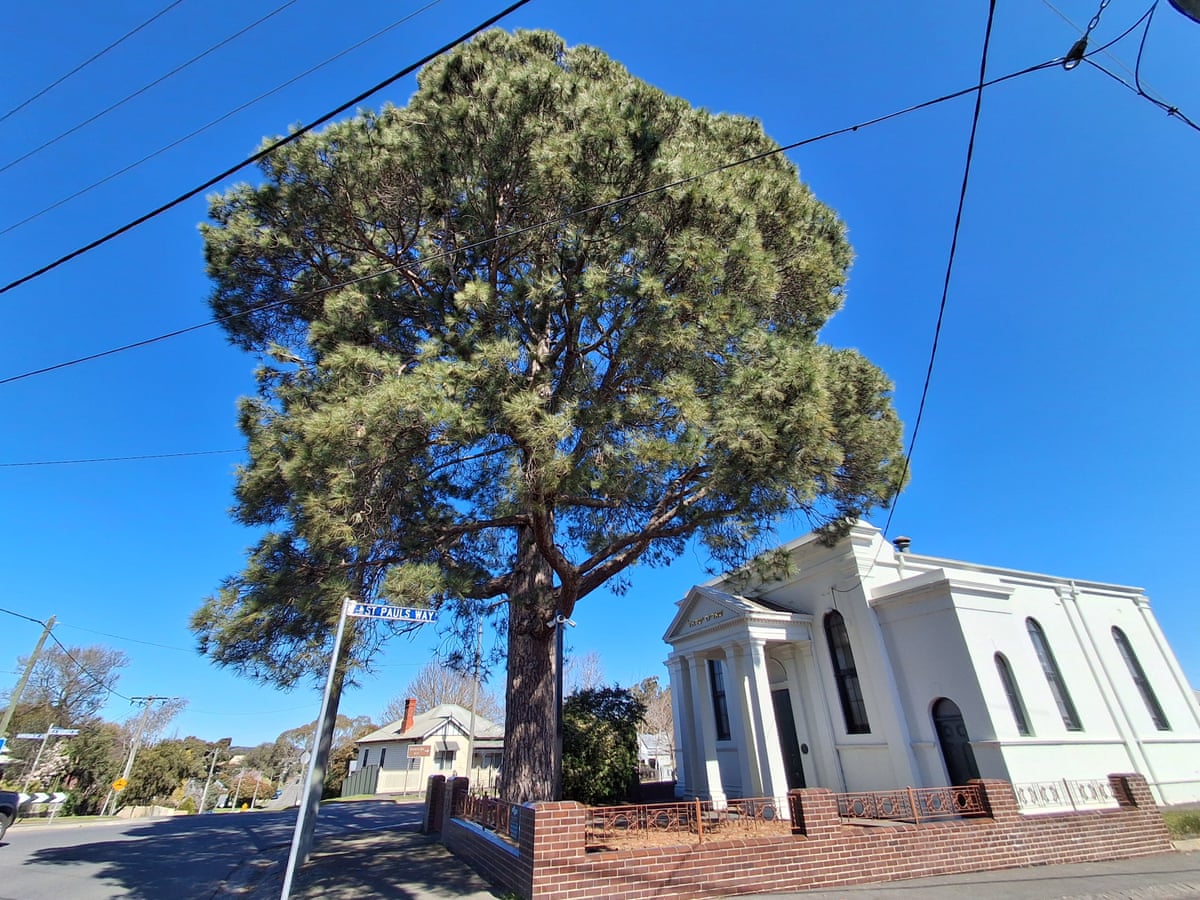
The Canary Island pine in Ballarat was planted by Jacob Bernstein, a member of the city's Hebrew community, by 1867, making it the second-oldest recorded tree among the finalists. Canary Island pines are renowned for their exceptional longevity and resilience to climate variations, and this specimen remains a recognisable landmark in Ballarat's landscape.
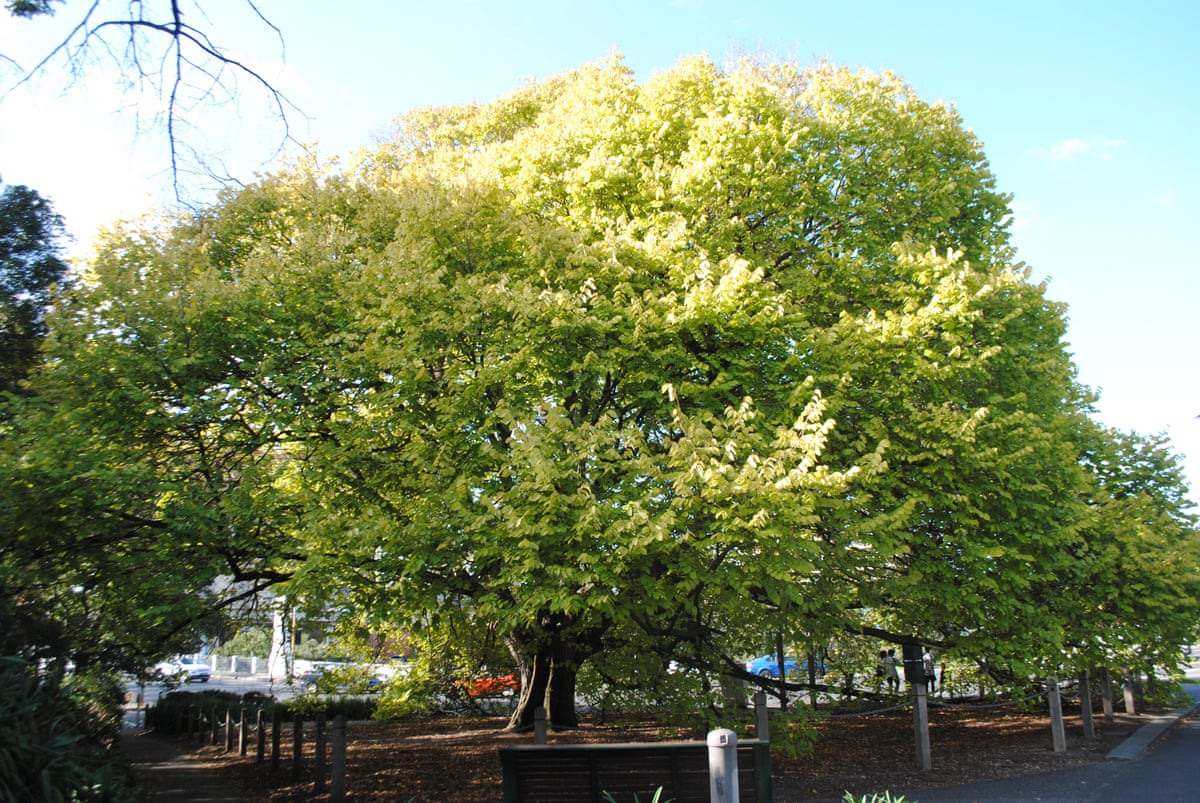
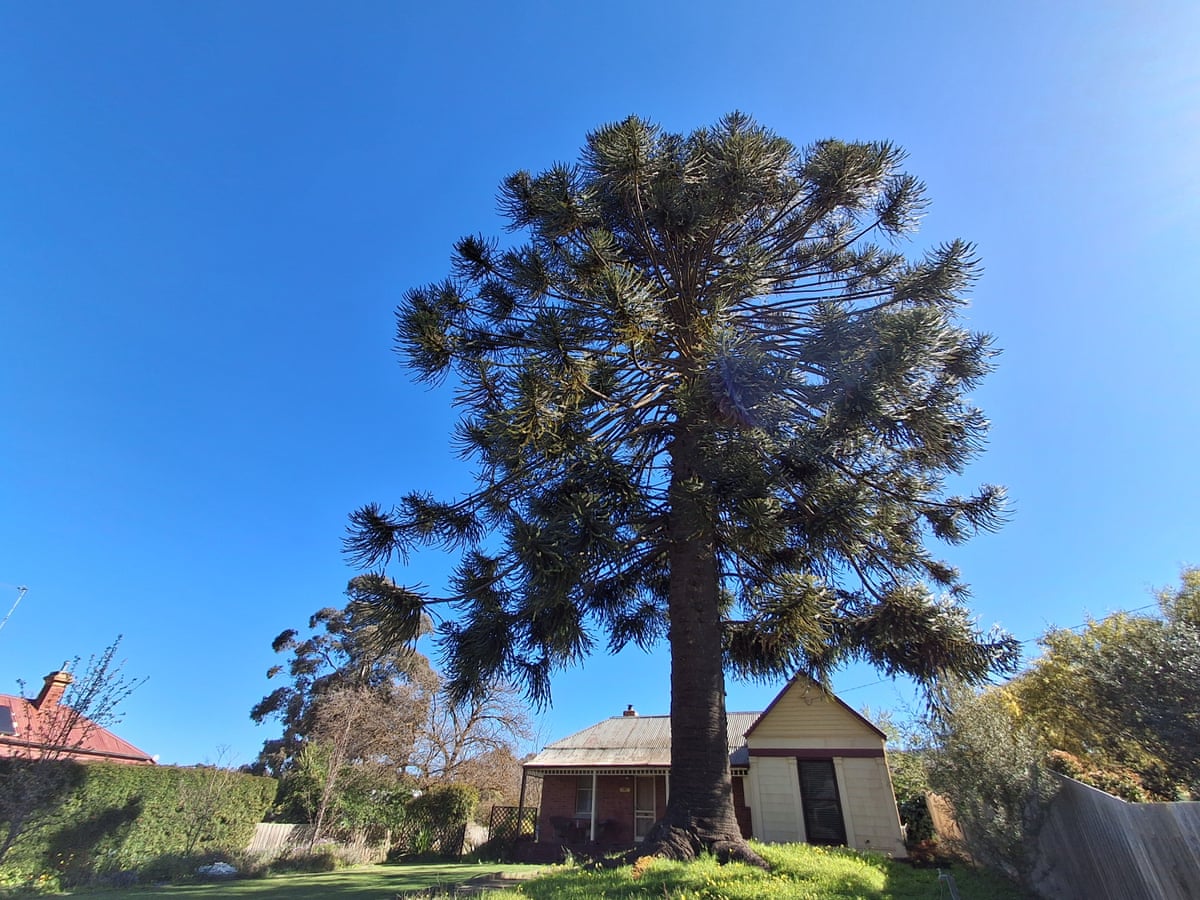
A golden wych elm in South Yarra has become beloved by thousands of commuters who pass beneath its branches daily, while a bunya pine in Maldon rounds out the diverse selection of finalists.
Why is tree protection increasingly urgent?
Buckley emphasised that the competition represents the National Trust's most successful advocacy campaign and plays a vital role in drawing attention to Victoria's arboreal heritage. Over the four decades that the significant tree register has been maintained, the threats facing these specimens have intensified rather than diminished.
"In the 40-odd years that we've been keeping the significant tree register, they're potentially under more threat than they ever have been with densification of cities and more housing; we think protection of trees is as important as it's ever have been,"Buckley said.
The challenges facing Victoria's significant trees reflect broader global concerns about urban development and environmental conservation. Similar efforts to protect heritage trees have emerged internationally, with communities increasingly recognising the cultural and ecological value of mature specimens.
When will the winner be announced?
Voting for the competition closes at midnight on 22 October, with the winner to be announced on 27 October. The annual recognition provides an opportunity for Victorians to celebrate the trees that have shaped their communities and to advocate for their continued protection in an era of rapid urban change.
Key Facts
- The National Trust of Victoria's tree of the year competition began in 2016 and has become the organisation's most successful advocacy campaign
- Nine finalists were selected from more than 40 nominations by a panel of 12 experts and arboriculturists
- All eligible trees must be registered on the National Trust's significant tree register, which documents up to 10,000 important trees in Victoria
- The finalists range in age from the 167-year-old ginkgo in Geelong to the Canary Island pine planted by 1867 in Ballarat
- Voting closes on 22 October, with the winner announced on 27 October