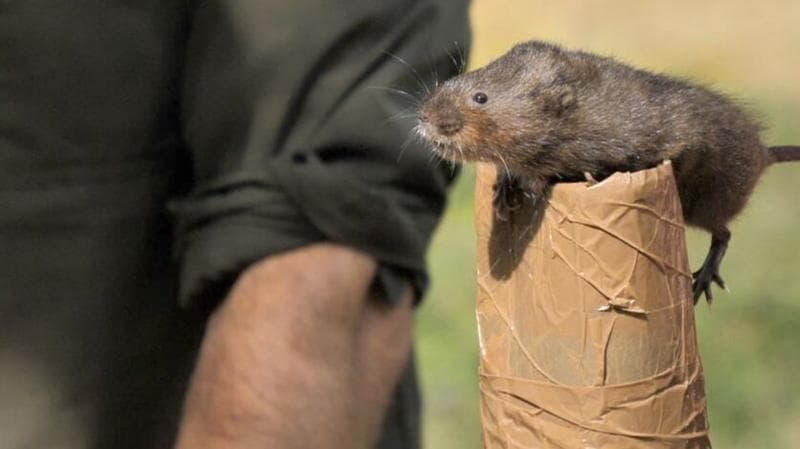
Surrey Wildlife Trust has introduced 30 nationally-endangered water voles to a nature reserve near Elstead, marking a significant step in efforts to restore the species to the River Wey after two decades of local absence.
The release on the River Wey follows a previous successful reintroduction on the upper river. The water voles are being introduced downstream across 10 sites between Frensham and Elstead, with the trust establishing them at the 16-hectare Thundry Meadows reserve on Farnham Road in Elstead.
Water voles have been functionally extinct in Surrey since the early 2000s. The reintroduction programme, led by the National Trust, Environment Agency, River Wey Trust and South East Rivers Trust, represents a coordinated effort to restore the species and the wetland habitats on which they depend.
James Herd, director of reserves management at Surrey Wildlife Trust, said:
As we work towards the restoration of natural ecosystems and landscapes county wide, I hope this release is one of many reintroductions of native species that we'll see in the years ahead.
How will the reintroduction programme develop?
The reintroduction effort has already expanded significantly beyond this initial release. According to the National Trust, 150 water voles were released across six sites in the River Wey catchment in a later phase, with the first of those releases taking place in August 2025. By June 2026, a national broadcaster reported that 300 water voles had been introduced into the River Wey in Farnham, with additional releases still anticipated over the following year.
The wider programme is expected to run over the next two years, with the long-term goal of creating a sustainable population across approximately 1,000 square kilometres of the River Wey catchment, extending from the South Downs to the Thames.

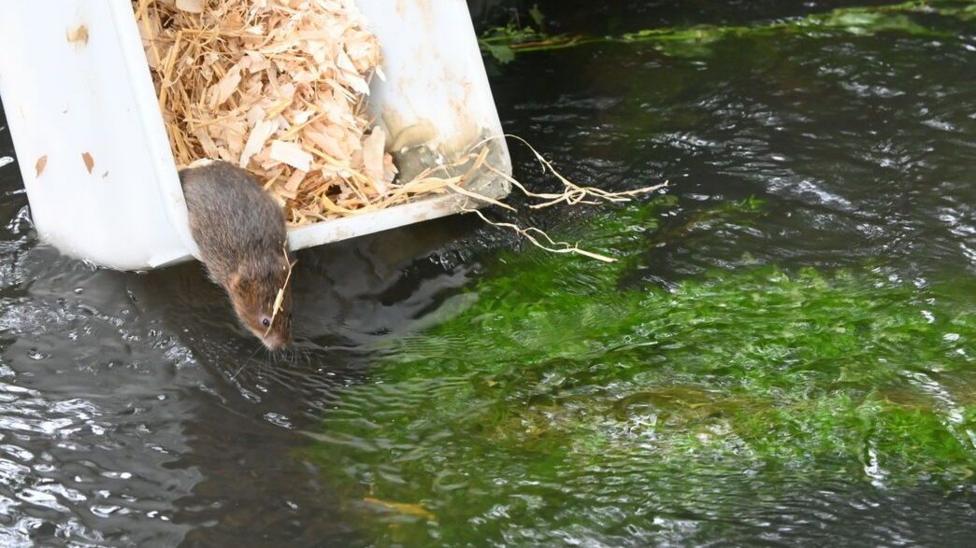
Are the reintroduced water voles establishing successfully?
Early signs suggest the reintroduction is working. According to field monitoring reports, water voles are thriving in Surrey, based on evidence such as characteristic field signs that indicate the earlier reintroduction appears to be establishing in the wild.
The trust stated that it hoped the aquatic rodents would adapt easily to life on the reserve and establish widely across the top of the Wey catchment in the months following release. Their return would also benefit other species dependent on healthy wetland habitats, including herons and birds of prey.
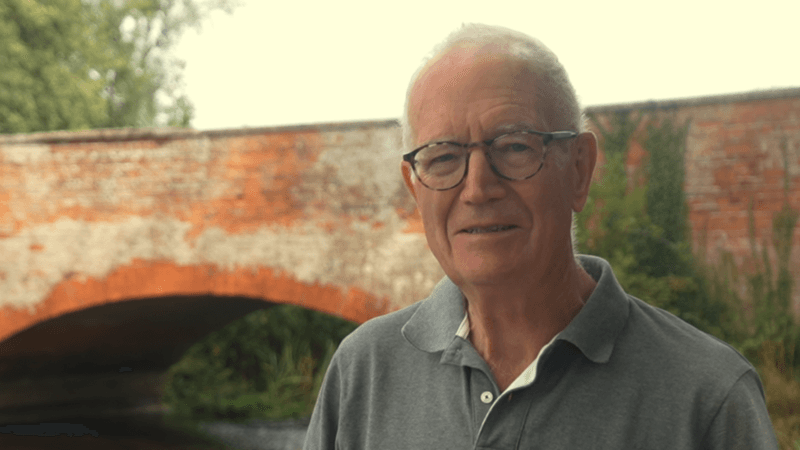
David Elliott, National Trust lead ranger for the South Downs West, said:
Nature wins when we work together.He added:
It's so encouraging to see the water voles returning after all this time, they have been locally extinct for decades. The return of this enchanting species adds a missing piece to this jigsaw.
What funding supports this restoration work?
The efforts to bring back water voles are funded by the Environment Agency's Environment Improvement Fund, which provides financial backing for nature restoration projects across the region. The coordinated approach involves habitat improvement efforts alongside the reintroduction of animals, recognising that successful restoration requires both species reintroduction and the creation of suitable environments for them to thrive.
What is the broader context of this project?
The River Wey reintroduction represents part of a wider South East Rivers Trust programme focused on restoring locally extinct species to their former habitats. The initial releases were made on the National Trust's Black Down estate and along the river between Haslemere and Headley, near Bordon, before expanding to the downstream sites now receiving animals.
Water voles were previously declared locally extinct in the River Wey catchment before the reintroduction programme began, making this restoration effort a critical conservation milestone for the region.
Key Facts
- 30 water voles were introduced to Thundry Meadows reserve near Elstead across 10 downstream sites between Frensham and Elstead
- Water voles have been functionally extinct in Surrey since the early 2000s, with the species locally absent from the River Wey for approximately 20 years
- By June 2026, a total of 300 water voles had been introduced into the River Wey in Farnham, with the programme expected to continue over the following year
- The long-term goal is to establish a sustainable population across approximately 1,000 square kilometres of the River Wey catchment from the South Downs to the Thames
- The project is funded by the Environment Agency's Environment Improvement Fund and led by the National Trust, Environment Agency, River Wey Trust and South East Rivers Trust